
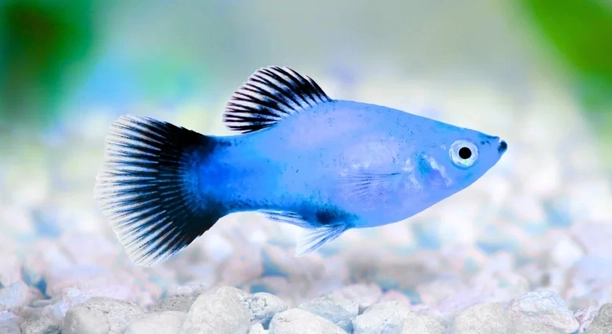
Platies are popular freshwater fish loved for their bright colors and peaceful nature. Many aquarium owners enjoy watching their lively behavior, especially during feeding time. Understanding how platies act around food helps create a calm tank environment.
Platies generally show little territorial aggression over food. While some competition occurs, especially in crowded tanks, they rarely become truly territorial or aggressive compared to other fish species. Their social behavior favors sharing rather than defending feeding spots.
Knowing how platies behave during feeding can help you manage your aquarium better. It ensures all fish stay healthy and happy without stress over food disputes.
Understanding Platy Behavior Around Food
Platies are peaceful fish, and their behavior around food reflects this calm nature. When food is introduced, they tend to swim quickly to the feeding area but usually avoid fighting. In smaller or less crowded tanks, platies take turns eating without much fuss. However, if the tank is crowded or food is limited, you might notice some mild chasing or nudging as they compete for bites. This behavior is natural and usually brief. They don’t guard specific spots or become aggressive for long periods like some other fish species. It’s important to offer enough food to reduce competition. Feeding small amounts multiple times a day also helps platies stay calm and healthy. Watching them interact around feeding time can give you clues about tank conditions and fish well-being.
Platies’ peaceful nature means food-related aggression is rare, making them good choices for community tanks.
Providing a balanced diet and adequate feeding space keeps platies content and reduces stress during meals.
Tips to Prevent Food-Related Conflicts
Keeping platies calm at feeding time involves a few simple steps. Make sure there is enough food for everyone to eat comfortably. Using floating pellets or flakes helps spread food across the tank. If you notice pushing or chasing, try feeding in multiple spots to reduce competition. Observing how platies eat can help you adjust feeding routines to suit your tank’s size and fish number. Remember, overcrowding increases stress and food competition, so maintaining proper tank density is key. Healthy, well-fed platies are less likely to show any food aggression, keeping your aquarium peaceful and enjoyable.
Recognizing Mild Territorial Behavior
Platies sometimes show mild territorial behavior when food is limited. This is usually brief and involves small displays like chasing or nudging. It rarely leads to serious fights or injury.
Such behavior often appears when feeding areas are crowded, or food is scarce. A platy may chase others away from a favored spot but quickly calms down once food is available. This is more common in tanks with many fish or limited hiding places. Unlike truly territorial species, platies do not guard their area for long periods or defend it aggressively. They tend to prioritize eating over holding territory. Providing enough food and space can prevent most mild conflicts and keep the atmosphere peaceful.
If you see constant chasing or injury, it may indicate other stress factors like overcrowding or poor water quality, which should be addressed to maintain harmony.
Feeding Strategies to Minimize Conflicts
Distributing food evenly helps reduce mild territorial disputes among platies. Feeding in several spots encourages all fish to eat without crowding one area. This also gives shy fish a better chance to get food without being pushed aside. Small, frequent feedings can prevent intense competition by keeping food available longer. Using sinking pellets or flakes can help reach bottom dwellers, spreading out feeding activity vertically. Observing feeding patterns helps adjust timing and amounts to fit your tank’s needs. Maintaining a clean tank and proper water conditions supports healthy behavior and lowers stress-related aggression during feeding times.
Signs of Stress During Feeding
When platies feel stressed, they may become restless or hide more during feeding times. Watch for signs like rapid swimming or avoiding food. These behaviors can signal discomfort in the tank.
Stress can also cause platies to lose appetite or show pale colors. Addressing tank conditions quickly helps them return to normal behavior.
How Tank Size Affects Food Behavior
A larger tank gives platies more space to spread out during feeding. This reduces competition and aggressive behaviors. Small tanks with many fish often cause more food-related stress. Ensuring enough room for all fish makes feeding times calmer and healthier.
Choosing the Right Food for Platies
High-quality flakes or pellets designed for tropical fish provide balanced nutrition. Including occasional live or frozen foods like brine shrimp supports their diet. Avoid overfeeding to prevent water quality issues, which can increase stress and aggression.
Watching for Changes Over Time
Regularly observing feeding behavior helps catch early signs of issues. Sudden changes may indicate illness or tank problems needing attention.
FAQ
Can platies become aggressive toward other fish during feeding?
Platies are generally peaceful and do not show true aggression like biting or fighting. However, they may chase or nudge other fish briefly when food is introduced, especially if the tank is crowded or food is limited. This behavior is mild and usually stops quickly once everyone starts eating. Keeping enough food and space in the tank helps prevent even this mild competition.
How much food should I give my platies at each feeding?
Feed small amounts that your platies can finish in about two to three minutes. Overfeeding can lead to leftover food, which pollutes the water and causes stress. Offering food two to three times daily in small portions is better than one large feeding. Watching how quickly they eat helps adjust the amount.
Do platies prefer a specific type of food?
Platies thrive on a varied diet. High-quality flakes or pellets made for tropical fish form the base of their diet. They also enjoy occasional treats like frozen or live foods—brine shrimp, daphnia, or bloodworms. A balanced diet keeps them healthy and less likely to compete aggressively during feeding.
Is it normal for platies to chase each other at feeding time?
Yes, some chasing is normal, especially in crowded tanks. Platies may swim quickly to get food first or gently push others away from a feeding spot. This mild behavior usually doesn’t cause harm. If chasing becomes constant or aggressive, it could signal overcrowding or stress, which should be addressed.
Can overcrowding increase food-related aggression in platies?
Overcrowding makes food competition more intense. When there are too many fish in a small tank, platies have less space and time to eat. This often leads to more chasing and stress. Keeping an appropriate number of fish for your tank size reduces conflicts and keeps feeding peaceful.
How can I tell if a platy is not getting enough food?
If a platy is consistently hiding, losing weight, or looking pale, it may not be getting enough food. Shy fish sometimes get pushed aside during feeding, especially in crowded tanks. Feeding in multiple spots and offering food more often can help all fish get enough nutrition.
Should I separate platies during feeding if they fight?
Usually, separating platies is not necessary. Mild chasing rarely causes harm and is part of their natural behavior. If fighting leads to injury or stress, consider increasing feeding spots, reducing tank population, or rearranging decorations to give fish more space.
Does water quality affect platies’ behavior around food?
Poor water quality stresses platies, making them more likely to act out or avoid feeding. Clean water with regular changes helps maintain their health and calm behavior. A healthy tank reduces stress-related aggression, keeping feeding times smooth.
Are some platy varieties more territorial than others?
Most platy varieties share similar peaceful behavior. There is no strong evidence that certain color or fin types are more territorial. Differences in behavior usually come from individual fish or tank conditions rather than genetics.
What should I do if my platies stop eating?
If platies suddenly refuse food, check water parameters first. Poor water quality, illness, or stress could be the cause. Try offering different types of food or feeding at quieter times. If the problem continues, consult an aquarium specialist or veterinarian to rule out health issues.
Platies are known for their peaceful nature, and this generally holds true even during feeding times. While some mild chasing or nudging may occur when food is introduced, it is usually brief and not aggressive. These fish do not tend to become territorial or fight seriously over food like some other species might. Most of the time, platies share their space calmly, making them great choices for community tanks. Understanding their behavior around feeding can help keep your aquarium a peaceful place for all its inhabitants.
Feeding your platies properly plays an important role in reducing any mild food competition. Offering enough food in small amounts several times a day helps prevent stress and ensures that all fish get their share. Spreading food in multiple places within the tank also lowers the chance of any one fish trying to dominate a feeding spot. It’s important to watch your fish closely to see how they interact during meals and adjust your feeding routine if needed. Maintaining good water quality and avoiding overcrowding are other key steps to promote calm behavior around feeding times.
In the end, a healthy and well-maintained tank with enough space and food usually means platies remain peaceful. If you ever notice unusual aggression or changes in feeding behavior, it might be a sign to check water conditions or tank population. Keeping these simple practices in mind helps support the natural, friendly behavior that platies are known for. This way, you can enjoy watching your colorful fish thrive without worrying about food fights or territorial disputes.

Hello,
If you enjoy the content that we create, please consider saying a "Thank You!" by leaving a tip.
Every little bit helps us continue crafting quality advice that supports the health, happiness, and well-being of pets around the world, for pets of all shapes, sizes, and species.
We really appreciate the kindness and support that you show us!