
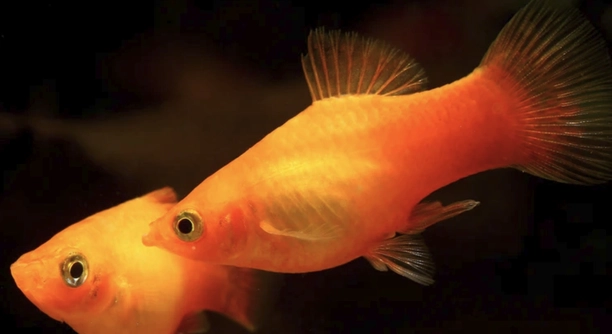
Platies are popular freshwater fish known for their bright colors and peaceful nature. Keeping their water quality stable is essential for their health and happiness. Changes in water conditions can quickly affect these delicate creatures.
Signs of poor water quality in platies include cloudy water, unusual fish behavior, algae overgrowth, foul odors, and changes in water parameters such as pH, ammonia, nitrite, and nitrate levels. Detecting these signs early helps prevent stress and illness in your fish.
Recognizing these signs can help maintain a healthy environment for your platies. This article explains what to watch for and how to respond effectively.
Cloudy or Discolored Water
Cloudy or discolored water is often the first visible sign that something is wrong with your platy tank. This usually happens when there is a buildup of waste, uneaten food, or harmful bacteria in the water. If the water looks milky, greenish, or brownish, it means the tank is not properly balanced. This can stress your fish and make them more prone to illness. Regular water changes and cleaning the filter help keep the water clear. Avoid overfeeding your platies, as leftover food breaks down and clouds the water. Testing the water regularly can also identify if ammonia or nitrate levels are rising, which contributes to discoloration.
Maintaining clean water is crucial for your platies’ health. Monitoring these changes early can prevent serious problems.
Clear water supports your fish’s immune system and overall wellbeing. A clean environment allows your platies to swim freely and display their natural colors beautifully. Small steps like removing waste and checking water quality improve their living conditions greatly.
Erratic Swimming and Lethargy
Erratic swimming or sudden lethargy often signals discomfort in your platies. When water quality is poor, fish may swim frantically, float near the surface, or hide more than usual. They might also appear weak and less active than normal. These behaviors suggest they are stressed or struggling to breathe due to low oxygen levels or toxic substances in the tank. Immediate water testing and partial water changes can help restore balance. Oxygenating the tank with an air stone or improving filtration may also ease these symptoms. Observing your fish’s swimming patterns regularly is important for early detection and intervention.
Consistent care and attention to these behaviors support your platies’ recovery and prevent health decline.
Algae Overgrowth
Algae growth can signal an imbalance in your platy tank’s water quality. Excess nutrients and light encourage algae to multiply quickly. This can cloud the water and harm your fish.
Algae thrives when nitrate and phosphate levels are too high. Overfeeding and poor filtration contribute to these nutrient buildups. Too much light, especially direct sunlight, accelerates algae growth. If left unchecked, algae can use up oxygen at night and release toxins that stress your platies. Regular water changes and controlling feeding help reduce nutrient levels. Adjusting light exposure and cleaning tank surfaces prevent excessive algae buildup. Adding live plants can compete with algae for nutrients and improve water quality naturally.
Removing algae manually is helpful but not a permanent fix. Balancing the tank environment is key to keeping algae growth under control and your platies healthy.
Foul Odors in the Tank
Unpleasant smells usually indicate decomposing organic matter or poor water quality. These odors often come from leftover food or dead plant material decaying in the tank.
When waste builds up, bacteria break it down, releasing gases that produce bad smells. If you notice a strong odor, it means water changes and cleaning are overdue. Neglecting this can lead to harmful ammonia spikes, which are toxic to platies. Regular siphoning of the substrate removes waste and uneaten food. Check the filter for clogs and clean or replace it as needed. Maintaining good water circulation helps keep the tank environment fresh. A well-maintained tank supports your fish’s health and prevents foul odors.
pH Fluctuations
Sudden changes in pH levels stress platies and affect their health. Stable pH is important for a balanced environment.
Testing pH regularly helps catch fluctuations early. Using buffers or water conditioners can maintain proper pH and protect your fish.
High Ammonia Levels
Ammonia is toxic and dangerous for platies. It usually rises due to poor filtration, overfeeding, or a crowded tank. High ammonia causes gill damage and breathing problems.
Regular water changes and avoiding overfeeding keep ammonia low. A good filter and monitoring water parameters prevent ammonia buildup, ensuring a safe tank for your platies.
Nitrate Build-up
Nitrates accumulate from fish waste and uneaten food. High nitrate levels weaken your platies’ immune systems over time.
Perform regular water changes and maintain a clean tank to reduce nitrates. Live plants can also help absorb excess nitrates, improving overall water quality.
FAQ
How often should I test my platy tank water?
Testing water weekly is ideal for monitoring key parameters like pH, ammonia, nitrites, and nitrates. Frequent testing helps catch problems early before they become serious. If your tank is new or showing signs of stress, test more often to keep close track.
What is the safest way to perform water changes?
Change about 20-30% of the tank water weekly to remove waste and toxins. Use a water conditioner to remove chlorine and chloramines from tap water before adding it to the tank. Avoid changing too much water at once, as this can shock your platies.
Can I use tap water directly for my platy tank?
Tap water often contains chemicals harmful to fish, so it should never be added without treatment. Use a dechlorinator to neutralize chlorine and chloramines. Letting water sit for 24 hours helps remove chlorine but not chloramines, so a conditioner is better.
What causes sudden pH swings in the tank?
pH swings can be caused by overfeeding, decaying food, or poor filtration. Using untreated tap water with a different pH than the tank can also lead to fluctuations. Consistent water changes and proper tank maintenance prevent these changes.
How can I reduce ammonia and nitrite spikes?
Regular partial water changes and avoiding overfeeding are the best ways to prevent spikes. Ensure your filter is working well and cycled properly to break down ammonia and nitrites. Adding beneficial bacteria supplements can also help establish a healthy biological filter.
Is it normal for platies to hide sometimes?
Yes, occasional hiding is normal, especially when they feel stressed or during changes in the environment. However, constant hiding or lethargy may indicate water quality issues or illness.
How does temperature affect water quality?
Temperature influences oxygen levels and fish metabolism. Warmer water holds less oxygen and speeds up waste breakdown, which can cause ammonia to rise faster. Keep the temperature stable, ideally between 70-78°F (21-26°C) for platies.
What signs show my platies are stressed from water issues?
Signs include erratic swimming, gasping at the surface, faded colors, and clamped fins. These behaviors usually point to low oxygen, poor water quality, or toxic substances in the tank. Acting quickly improves their chances of recovery.
Can live plants improve water quality?
Live plants absorb nitrates and other nutrients, helping reduce algae growth and improve oxygen levels. They also provide hiding spots that reduce fish stress. Choosing easy plants like java fern or anubias works well in platy tanks.
How important is tank cleaning for water quality?
Regular cleaning removes excess waste, uneaten food, and debris that cause water pollution. Cleaning the substrate and filter media carefully prevents buildup of harmful substances. Over-cleaning can remove beneficial bacteria, so balance is key.
What should I avoid feeding my platies to keep water clean?
Avoid overfeeding or giving foods that produce excessive waste, like flaky or uneaten pellets. Feeding small amounts once or twice daily reduces leftover food and keeps water clearer.
How can I tell if my filter needs maintenance?
If water flow slows or the tank water becomes cloudy, the filter may be clogged. Check and clean filter media monthly to maintain good filtration and avoid water quality problems.
Are water conditioners necessary if I use bottled spring water?
Bottled spring water may seem safe but can vary in pH and mineral content. Testing and conditioning are still recommended to ensure a stable environment for your platies.
Can I mix platies with other fish without affecting water quality?
Adding more fish increases waste, requiring more frequent maintenance. Choose compatible species that share similar water needs and keep stocking levels low to maintain water quality.
Final Thoughts
Maintaining good water quality is essential for keeping platies healthy and happy. Their delicate nature means they are sensitive to changes in their environment, especially the water they live in. Paying close attention to the signs of water problems can prevent many health issues before they become serious. Simple steps like regular water testing, partial water changes, and proper feeding habits go a long way in keeping the tank balanced. Clean, clear water helps your platies swim freely and display their natural colors, which is rewarding for any fish keeper.
Many water quality issues can be avoided by understanding the basics of tank care. Keeping the pH stable, avoiding ammonia and nitrate buildup, and controlling algae growth are all part of proper maintenance. Filters play an important role in breaking down waste and keeping the water safe. However, filters need regular cleaning and monitoring to function well. Overfeeding is a common mistake that quickly affects water quality. Feeding small portions and removing leftover food can reduce waste accumulation and help maintain clearer water.
Lastly, observing your platies’ behavior daily is a useful way to spot early warning signs. Changes in swimming patterns, hiding more than usual, or fading colors can point to water quality problems. Acting quickly to test and correct water parameters can save your fish from stress and illness. Using live plants and maintaining good tank hygiene adds extra support to a healthy aquarium environment. With consistent care and attention, your platies will thrive in a stable and clean habitat.

Hello,
If you enjoy the content that we create, please consider saying a "Thank You!" by leaving a tip.
Every little bit helps us continue crafting quality advice that supports the health, happiness, and well-being of pets around the world, for pets of all shapes, sizes, and species.
We really appreciate the kindness and support that you show us!