
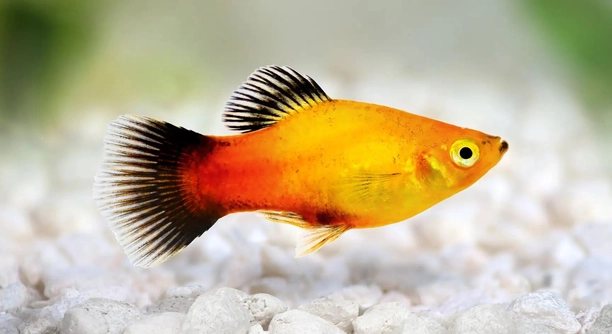
Platies are popular freshwater fish often kept in home aquariums. Many owners grow fond of their colorful appearance and lively behavior. This article explores whether platies can experience emotions, based on scientific insights.
Scientific research on fish emotions suggests that platies, like many other fish species, have basic emotional responses. These responses are linked to survival instincts rather than complex feelings. Evidence points to simple stress, fear, and pleasure reactions, not human-like emotions.
Understanding how platies respond to their environment helps improve their care and welfare. Exploring this topic reveals important details about fish behavior and well-being in captivity.
Understanding Fish Emotions
Fish like platies do not have brains as complex as mammals, but they still show signs of feeling. Their nervous system allows them to react to changes in their environment, such as the presence of food or danger. For example, platies may swim quickly or hide when they feel threatened. They can also display behaviors that suggest comfort or stress, like staying near plants or swimming erratically. Scientific studies observe that fish have simple emotional states related to survival, such as fear and pleasure. These emotions help them avoid harm and find food, but they do not experience emotions like humans. Understanding these responses is important for keeping platies healthy and reducing stress in their tanks.
Fish behavior is mainly driven by instinct and survival rather than complex emotions.
Proper care includes recognizing signs of stress and creating a safe, stable environment for platies to thrive.
How Stress Affects Platies
Platies respond quickly to stressful conditions, which can harm their health if prolonged. Stressors include poor water quality, overcrowding, and sudden changes in temperature or light. When stressed, platies may lose appetite, become lethargic, or show unusual swimming patterns. Stress weakens their immune system, making them more vulnerable to diseases. Maintaining clean water, stable conditions, and enough space helps reduce stress. Adding plants and hiding spots can also create a calming environment. Observing platies regularly for signs of distress allows for early intervention. Keeping stress low is essential for their overall well-being and longevity.
Stress reduces platies’ ability to stay healthy and can shorten their lifespan.
By controlling tank conditions and monitoring behavior, owners can provide better care and improve their platies’ quality of life.
Recognizing Pleasure in Platies
Platies show signs of pleasure through behaviors like exploring their tank, eating eagerly, and interacting with their environment. These actions suggest they respond positively to good conditions. Enjoyment in fish is linked to comfort and safety rather than complex feelings.
Positive responses in platies indicate they can experience basic pleasure linked to survival. When they have clean water, ample food, and a safe environment, they display active swimming and social behavior. This indicates a sense of well-being rooted in physical comfort rather than emotional complexity.
Creating a stable and enriching environment encourages natural behaviors in platies. Providing plants, hiding spots, and compatible tank mates helps them feel secure. Such conditions foster positive responses and reduce stress, improving their overall health and activity levels.
Social Interactions Among Platies
Platies are social fish that prefer living in groups. They often swim together, showing signs of companionship through coordinated movement. This behavior helps reduce stress and promotes safety. Group living also encourages natural behaviors and makes their environment more stimulating.
Social interaction among platies plays a role in their overall health and behavior. Living in groups allows them to establish simple social hierarchies and reduces aggression. Tank mates provide stimulation and reduce boredom, leading to more active and alert fish. Social environments mimic their natural habitats, contributing to better physical and mental conditions. Proper group sizes and compatible species are important to prevent stress and conflict, ensuring a balanced and harmonious aquarium.
Platies and Stress Signals
Platies display clear signs when stressed, such as rapid gill movement, hiding, or erratic swimming. These behaviors indicate discomfort or fear and should not be ignored.
Recognizing these signals early helps prevent health problems. Adjusting tank conditions promptly reduces stress and supports recovery.
The Role of Environment in Platies’ Behavior
A well-maintained environment is crucial for platies’ behavior and health. Clean water, stable temperature, and adequate space reduce stress and encourage natural activity. Plants and hiding places offer security, promoting calm behavior. Sudden changes in light or temperature can cause distress, leading to illness or death. Consistent care helps platies feel secure and express normal behaviors like feeding and socializing. This leads to longer, healthier lives and a more enjoyable aquarium experience.
Basic Needs for Healthy Platies
Platies require clean water, balanced diet, and a calm environment for optimal health. Meeting these needs helps maintain their natural behaviors and well-being.
FAQ
Can platies really feel emotions like humans do?
Platies do not experience emotions in the way humans do. Their brains are much simpler, allowing only basic responses such as fear, stress, and comfort. These reactions are mostly tied to survival instincts rather than complex feelings like happiness or sadness.
How can I tell if my platy is stressed?
Signs of stress in platies include rapid breathing, hiding frequently, loss of appetite, and unusual swimming patterns such as darting or sluggish movement. Stress often results from poor water quality, overcrowding, or sudden changes in their environment.
What causes stress in platies?
Common causes of stress include dirty or toxic water, too many fish in a small tank, sudden temperature shifts, and aggressive tank mates. Even loud noises or bright lights near the aquarium can stress them out.
Can platies show pleasure or happiness?
Platies display simple positive behaviors like active swimming, exploring, and eagerly eating food. These actions suggest comfort and well-being but do not equate to human happiness. Their responses are based on feeling safe and physically comfortable.
Is it important to keep platies in groups?
Yes, platies are social fish that do better in groups of at least three. Being with other platies helps reduce stress and encourages natural behaviors such as schooling and social interaction, which can improve their overall health.
What kind of environment helps reduce stress in platies?
A stable environment with clean, filtered water, proper temperature, and enough space is vital. Adding plants, hiding places, and gentle tank mates creates a calm atmosphere that lowers stress and supports natural behavior.
How often should I clean my platy’s tank?
Regular water changes of about 20-30% every week or two are recommended. This keeps water clean and reduces harmful substances. Over-cleaning or drastic changes can stress the fish, so consistency is key.
What should I feed platies to keep them healthy?
Platies thrive on a balanced diet that includes high-quality flakes or pellets, supplemented with live or frozen foods like brine shrimp or bloodworms. Variety supports good health and stimulates natural feeding behaviors.
Can platies recognize their owners?
Platies can learn to associate their owners with feeding time, showing excitement or swimming toward the front of the tank. This is more about recognizing routine than emotional bonding.
Do platies need special care to reduce emotional stress?
While they don’t have complex emotions, reducing physical stress improves their well-being. Stable tank conditions, social groups, and a quiet environment are important. Avoid sudden changes and monitor their behavior closely.
What happens if platies stay stressed for too long?
Prolonged stress weakens the immune system, making platies more susceptible to infections and diseases. It can also shorten their lifespan. Early detection and correction of stressful factors are essential for keeping them healthy.
Are there signs that platies are comfortable in their tank?
Comfortable platies swim actively, explore their environment, and interact with tank mates. They eat well and rest calmly among plants or decorations. These behaviors show they feel safe and content.
Can platies feel pain?
Research suggests that fish, including platies, can feel pain through nerve responses, but this is different from human pain experience. They react to harmful stimuli by avoiding it, which helps protect them in their environment.
Final Thoughts
Platies are small fish that show basic reactions to their environment. While they do not feel emotions like humans, they do respond to comfort, stress, and danger. These responses help them survive and adapt to their surroundings. Understanding that platies experience simple feelings related to safety and discomfort can guide owners to provide better care. Recognizing these signs in platies helps in creating an environment that meets their basic needs, which is essential for their health and longevity.
Providing a stable, clean tank with good water quality is key to reducing stress in platies. Stress can negatively affect their behavior and health, so it is important to maintain consistent conditions. Platies also benefit from living in groups, as social interaction helps reduce stress and promotes natural behaviors. Adding plants and hiding spots gives them security and a place to rest. These factors together create a comfortable space where platies can thrive and show positive behaviors like exploring and active swimming.
Although platies cannot experience complex emotions, they are responsive creatures that rely on their environment for well-being. Proper care that focuses on stable water conditions, a balanced diet, and social interaction will improve their quality of life. Paying attention to their behavior and environment ensures that platies remain healthy and active. Taking these steps allows owners to enjoy watching their lively fish while supporting their basic needs and overall welfare.

Hello,
If you enjoy the content that we create, please consider saying a "Thank You!" by leaving a tip.
Every little bit helps us continue crafting quality advice that supports the health, happiness, and well-being of pets around the world, for pets of all shapes, sizes, and species.
We really appreciate the kindness and support that you show us!