
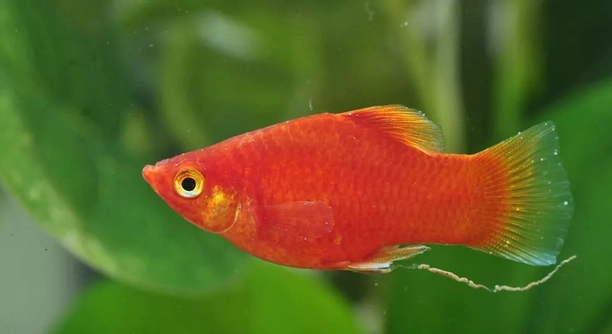
Female platies are popular freshwater fish known for their bright colors and active behavior. Many aquarium enthusiasts want to understand their temperament compared to males, especially when keeping a peaceful community tank. Knowing their behavior helps create a better environment for them.
Female platies are generally more peaceful than males. Males tend to be more territorial and show more aggressive behaviors, particularly during breeding periods. Females are less prone to aggression, making them better suited for community tanks with other fish species.
Learning about these differences can improve how you care for your platies. This article will explore what makes female platies more peaceful and how it affects your aquarium setup.
Understanding Male Platy Behavior
Male platies often show more active and territorial behavior compared to females. This is especially noticeable during breeding times, when males compete for females’ attention. They may chase other males or even nip fins to assert dominance. This can sometimes lead to stress in a community tank if space is limited or if there are too many males. Male platies also tend to be more restless, swimming more aggressively around the tank. This energy is part of their natural behavior but can disrupt the peaceful atmosphere in a mixed tank. To reduce tension, it’s often recommended to keep fewer males or provide plenty of hiding spots and plants. This helps distribute their energy and lowers aggression. Observing these behaviors can help you decide how many males to keep and how to arrange your aquarium for balance.
Males are naturally more territorial and can be aggressive during mating seasons. This behavior influences tank dynamics significantly.
Controlling male platy numbers and providing adequate space are key to maintaining harmony. Plants and decorations help reduce conflicts by giving fish places to retreat. Creating a balanced male-to-female ratio reduces stress and aggressive encounters. Observing your fish’s behavior regularly will help you adjust your tank setup to keep peace.
Why Female Platies Are Calmer
Female platies usually swim calmly and avoid conflicts. They don’t compete for mates like males, so their energy is less focused on dominance. This makes them better suited for peaceful community tanks. Females tend to spend more time exploring and feeding rather than chasing others. Their social nature allows them to coexist more easily with other fish species. Because they aren’t competing aggressively, females are less likely to cause stress in the tank. This calm behavior can also make females easier to care for, especially for those new to fishkeeping. While they can still show some minor territorial behavior, it is much less frequent and intense than males. This difference in temperament is important to remember when planning a tank.
Female platies are calmer swimmers, spending more time exploring and less time competing.
Keeping mostly females can create a peaceful tank environment. Their gentle nature supports a balanced community where stress levels stay low. With females, you often see smoother interactions and less chasing. This makes them ideal companions for other calm fish species. Choosing mostly females helps avoid the aggression typical of males and encourages a relaxed tank atmosphere.
Managing Aggression in Mixed Groups
Balancing males and females in the same tank requires careful planning to reduce aggression. Too many males can lead to constant chasing and stress. It’s important to maintain a ratio with more females than males.
Providing hiding spots and plants gives fish places to retreat during aggressive moments. This reduces conflict and helps males release energy without constant fights. Avoid overcrowding to keep stress low. Also, regular tank maintenance keeps water quality high, which supports calm behavior. Monitoring the fish’s interactions helps identify early signs of aggression, allowing you to act quickly. Adding peaceful tank mates can distract males and reduce tension as well. These steps together create a more balanced environment for all platies.
Adjusting the male-to-female ratio and enriching the tank environment are key to minimizing conflicts. This supports a stable and healthy aquarium where fish coexist peacefully.
Impact of Tank Setup on Platy Behavior
Tank size plays a significant role in how platies behave. Smaller tanks tend to increase aggression because fish feel cramped and unable to escape rivals. Larger tanks provide more swimming space and areas to hide, which lowers stress. Decorations like plants, rocks, and caves break sight lines, reducing direct confrontations. Water conditions also matter. Clean, well-filtered water helps fish stay healthy and less irritable. Stable temperature and pH levels reduce stress that can trigger aggression. When setting up your tank, think about both space and structure. A well-planned environment keeps platies calmer and more sociable, enhancing the overall harmony in your aquarium. This benefits all fish and creates a better viewing experience.
Proper tank design is crucial to controlling behavior. Space and environmental complexity directly influence how peaceful platies remain in the community.
By focusing on adequate size, hiding spots, and water quality, you support natural behavior while reducing aggressive encounters. This results in a calmer, happier tank where female platies’ peaceful nature can really shine.
Feeding Behavior Differences
Female platies tend to eat more calmly than males. They usually focus on food without much competition. This relaxed feeding style helps keep peace during mealtime.
Males can sometimes rush to food quickly, increasing minor skirmishes. Feeding smaller portions more often can help reduce this behavior and keep the tank calm.
Benefits of Keeping More Females
Having a higher number of females in a tank reduces stress among platies. Females are less likely to chase or nip, creating a balanced social environment.
This balance supports healthier interactions and lowers the risk of injury. It also makes managing the tank easier for anyone caring for the fish.
Recognizing Signs of Stress
Stress in platies often shows through hiding, loss of appetite, or dull colors. These signs indicate the tank conditions or social setting may need adjustment.
Addressing stress early prevents health problems and promotes a peaceful tank atmosphere.
FAQ
Are female platies really less aggressive than males?
Yes, female platies are generally less aggressive. Males often display territorial behavior and compete during breeding, which can lead to chasing or fin-nipping. Females are more social and tend to avoid conflicts, making them more peaceful tank mates in community setups.
How many females should I keep compared to males?
A good rule is to keep at least two to three females for every male. This ratio helps reduce stress on females caused by constant male attention and limits aggressive chasing. It also balances social dynamics and creates a calmer tank environment overall.
Can male platies live peacefully together?
Male platies can live together but usually need more space and hiding spots to prevent aggression. In smaller tanks or crowded conditions, males often compete aggressively. Providing a larger tank with plants and decorations helps reduce conflict.
What tank size is best for platies to stay peaceful?
A minimum of 20 gallons is recommended for a small group of platies. Larger tanks offer more room for swimming and hiding, which lowers stress and aggressive behaviors. Overcrowding increases tension and should be avoided.
Do tank decorations affect platy behavior?
Yes, decorations like plants, rocks, and caves break line-of-sight and create territories. This reduces direct confrontations and helps both males and females feel secure. A well-decorated tank promotes calmer behavior and allows fish to retreat when needed.
How often should I feed my platies to prevent aggression?
Feeding smaller amounts two to three times a day can reduce competition and rushing during feeding. Males tend to be more aggressive around food, so regular, moderate feeding helps keep all fish calm and healthy.
Are female platies easier to care for?
Female platies are often easier to care for in community tanks because they are less aggressive and adapt well to group living. Their calmer behavior means less stress and fewer injuries compared to males.
What are signs of stress in platies?
Stress signs include hiding frequently, loss of appetite, rapid breathing, faded colors, or erratic swimming. Stress often results from poor water quality, overcrowding, or aggression. Early recognition helps prevent illness and supports a peaceful environment.
Can platies live well with other fish species?
Yes, especially female platies, which are peaceful and social. They do well with other calm, community-friendly species. Avoid placing them with aggressive or fin-nipping fish to maintain harmony in the tank.
Is breeding a factor in male aggression?
Breeding behavior increases male aggression as they compete for females. Outside breeding times, aggression may lessen, but males still tend to be more territorial. Managing the male-to-female ratio helps reduce these behaviors.
How do I reduce aggression if I already have too many males?
If you have too many males, consider separating some into a different tank or increasing hiding places and tank size. Adding more females can also help balance social stress. Monitor fish closely and rearrange decorations if needed to reduce tension.
Are there any behavioral differences in juvenile platies?
Juvenile platies generally show less aggression than adults. As they mature, males develop territorial instincts. Keeping juveniles in groups with more females helps ease the transition and encourages peaceful behavior.
Does water quality impact aggression?
Poor water quality increases stress and can trigger aggressive behavior. Maintaining clean, well-filtered water with stable temperature and pH is essential for calm, healthy platies.
Can stress cause illness in platies?
Yes, stress weakens the immune system and makes fish more vulnerable to diseases like fin rot or ich. Keeping a peaceful environment with good care routines lowers stress and promotes long-term health.
What is the best way to introduce new platies to an established tank?
Introduce new platies slowly and provide plenty of hiding spots. Quarantine new fish first to prevent disease. Adding females is easier than males, as new males may trigger aggression if space is limited.
Are female platies good for beginner fishkeepers?
Female platies are excellent for beginners. Their peaceful nature, hardiness, and adaptability make them easier to care for than males, especially in mixed or community tanks.
Can diet affect platy behavior?
A balanced diet helps maintain energy levels and reduces irritability. Poor nutrition may increase stress and aggression. Feeding high-quality flake food supplemented with occasional live or frozen treats supports calm behavior.
How long do female platies typically live?
Female platies usually live 2 to 3 years with proper care. Providing a stable environment, good diet, and low stress helps maximize their lifespan.
Is it necessary to separate aggressive platies?
If aggression causes injury or stress, separating the aggressive fish is best. Long-term exposure to bullying can harm health. Providing separate tanks or rearranging the environment can help restore peace.
Do female platies show territorial behavior?
Females are less territorial than males but may still defend small areas, especially around breeding or resting spots. Their behavior is generally mild and rarely causes conflict.
What water temperature do platies prefer?
Platies thrive in temperatures between 70°F and 78°F (21°C–26°C). Keeping water within this range supports healthy activity levels and peaceful behavior.
Female platies are often considered more peaceful than males, which makes them a popular choice for community aquariums. Their calmer nature means they tend to avoid aggressive behaviors like chasing or fin-nipping, which are more common among males. This difference in temperament helps maintain a relaxed tank environment and reduces stress for all fish. Female platies generally coexist well with other peaceful species and adapt easily to group living. This makes caring for them simpler, especially for those who want a harmonious aquarium without constant conflict.
Understanding the natural behaviors of platies is important for creating the right tank setup. Since males are more territorial and active, they need more space and places to hide to prevent aggressive interactions. On the other hand, female platies usually spend more time swimming calmly and exploring their surroundings without much competition. Keeping a higher ratio of females to males in the tank helps lower tension and keeps social interactions balanced. Providing plants, decorations, and enough swimming room encourages peaceful behavior in both females and males. Maintaining good water quality and stable conditions also supports their health and reduces stress that can trigger aggression.
When planning an aquarium with platies, it is helpful to focus on the natural tendencies of females and males. Females’ peaceful behavior often makes them better suited for mixed tanks where harmony is a priority. Choosing mostly females can lead to a more stable and enjoyable aquarium experience. While males add some activity and color, their aggressive tendencies can be challenging to manage in smaller tanks or crowded conditions. Paying attention to the fish’s behavior and tank environment helps keep all platies happy and healthy. Overall, female platies offer a calm and social presence that many fishkeepers appreciate.

Hello,
If you enjoy the content that we create, please consider saying a "Thank You!" by leaving a tip.
Every little bit helps us continue crafting quality advice that supports the health, happiness, and well-being of pets around the world, for pets of all shapes, sizes, and species.
We really appreciate the kindness and support that you show us!