
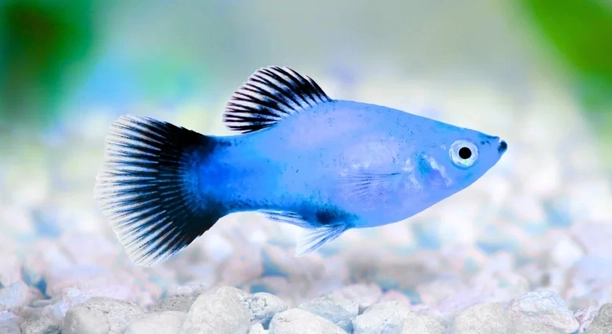
Setting up a tank for platy fry requires attention to their specific needs. These tiny fish are delicate and need a safe, stable environment to thrive. Proper care during this early stage helps them grow strong and healthy.
The ideal tank setup for platy fry includes a small, well-filtered aquarium with gentle water flow, stable temperature between 74–78°F, soft plants for hiding, and clean water with regular maintenance to support their growth and survival.
Creating the right environment improves fry survival rates and promotes healthy development throughout their early life stages.
Tank Size and Water Conditions
A small tank around 10 gallons is perfect for raising platy fry. It provides enough space for them to swim comfortably without overwhelming them. Maintaining stable water conditions is crucial. The temperature should be kept steady between 74 and 78°F to mimic their natural environment. Platy fry prefer soft, slightly acidic to neutral water, so testing water parameters regularly is important. Gentle filtration helps keep the water clean while avoiding strong currents that can stress the fry. Frequent partial water changes, about 20-30% weekly, prevent waste buildup and keep the water quality high. Using a sponge filter is a good option because it provides filtration without sucking in the tiny fry. Adding live plants like Java moss or floating plants offers hiding spots and improves water quality. Overall, maintaining stable water conditions and a properly sized tank will support healthy growth and reduce mortality.
Keeping water conditions steady is essential to avoid stress and promote healthy development.
Proper water care and tank size lay the foundation for successful fry rearing and keep the environment safe and stable for delicate young fish.
Feeding and Nutrition
Platy fry need frequent feeding due to their rapid growth rate. They require small, nutritious meals several times a day. Newly hatched brine shrimp and finely crushed flake food work well for their tiny mouths. Feeding live or frozen foods enriches their diet and supports development. Avoid overfeeding, as leftover food can quickly pollute the water. A well-balanced diet promotes strong immune systems and vibrant coloration. Gradually introduce a variety of foods to prepare them for adult diets. Remove uneaten food after feeding to maintain water quality. Monitoring their feeding behavior helps detect early signs of health issues. Providing nutritious meals in small amounts keeps the fry energetic and growing steadily. Proper feeding routines are key to raising healthy platies that will thrive in a home aquarium.
Plants and Hiding Spots
Plants provide essential shelter for platy fry. They reduce stress by offering places to hide from stronger tank mates and create a more natural environment. Mosses and fine-leaved plants work best.
Live plants like Java moss or hornwort offer safe hiding spots that encourage fry to feel secure. These plants also improve water quality by absorbing excess nutrients. Fry tend to hide and rest among the leaves, which helps reduce aggressive behavior from other fish. Adding floating plants can diffuse light and create shaded areas, making the tank less stressful for the young fish. Including plants that are easy to maintain ensures the tank remains healthy without much extra effort.
Artificial plants can also work, but they lack the biological benefits of live ones. Live plants contribute to oxygen levels and provide microhabitats for tiny food organisms that fry can graze on. Ensuring a variety of hiding spots supports fry growth and survival.
Filtration and Water Movement
A gentle filter is necessary to keep the water clean without stressing the fry. Sponge filters are ideal because they provide good biological filtration without strong currents. They also prevent fry from being sucked into the filter. Avoid powerful filters that create strong water flow, as fry can struggle against it, which increases their stress and risk of injury. Regular maintenance of the filter is important to prevent clogging and maintain efficiency. A clean filter supports stable water parameters, which is crucial for the fry’s health.
Water movement should be minimal but enough to circulate oxygen and nutrients throughout the tank. Gentle aeration helps keep oxygen levels steady without disturbing the fry’s environment. A quiet tank with stable water conditions allows the fry to feed and grow comfortably. Proper filtration and mild water flow create a balanced habitat for young platies.
Lighting and Temperature
Proper lighting helps maintain a natural day-night cycle for platy fry. Avoid harsh or direct light that can stress them. Soft, diffused lighting works best for their comfort and plant growth.
Consistent temperature is critical. Sudden changes can shock fry, so use a reliable heater to keep water between 74 and 78°F. Stability supports their immune system and overall development.
Tank Mates
Choosing peaceful tank mates is important to prevent stress and aggression. Avoid larger or aggressive fish that might harm the fry. Small, gentle species like snails or small tetras work well.
Cleaning and Maintenance
Regular tank cleaning prevents harmful waste buildup. Change 20-30% of the water weekly and remove uneaten food to maintain water quality. This routine helps keep the environment safe and healthy for the fry.
FAQ
What size tank is best for platy fry?
A 10-gallon tank is ideal for raising platy fry. It provides enough swimming space without overwhelming them. Smaller tanks can cause water conditions to fluctuate quickly, while larger tanks require more maintenance. Keeping the tank size moderate helps maintain stable water parameters and reduces stress for the fry.
How often should I feed platy fry?
Platy fry need to be fed several times a day in small amounts. Their tiny stomachs require frequent but light meals to support rapid growth. Feeding 3 to 4 times daily with finely crushed flakes or live foods like baby brine shrimp works well. Avoid overfeeding to keep the water clean.
What should I feed platy fry?
The best food for platy fry includes finely crushed flakes, powdered fry food, and live foods like baby brine shrimp or microworms. These options provide essential nutrients to support growth and development. Gradually introduce varied foods to prepare them for an adult diet.
Can I keep adult platies with fry?
It’s generally not recommended to keep adult platies with fry in the same tank. Adult fish may eat the fry or outcompete them for food. If keeping them together, ensure plenty of hiding spots and plants so fry can escape. Otherwise, raising fry in a separate tank is safer.
What water parameters are best for platy fry?
Platy fry thrive in water with a temperature between 74 and 78°F, pH levels between 6.8 and 7.5, and soft to moderately hard water. Stability is key—sudden changes in temperature or pH can stress or harm fry. Regular testing helps maintain the right environment.
How often should I change the water?
Perform partial water changes of 20-30% weekly to keep water quality high. Removing waste and uneaten food prevents toxins from building up. Using a siphon during water changes also helps remove debris from the substrate without disturbing the fry.
What type of filtration is best for fry tanks?
Sponge filters are ideal for fry tanks because they provide gentle filtration and avoid strong currents. They also prevent fry from being sucked into the filter. Regular cleaning of the sponge helps maintain effective filtration and keeps water parameters stable.
Are live plants necessary for platy fry?
While not strictly necessary, live plants are highly beneficial. They offer hiding spots, improve water quality by absorbing nitrates, and provide microhabitats for tiny food organisms. Plants like Java moss or hornwort work well to create a safer, more natural environment.
How do I prevent diseases in platy fry?
Maintaining clean water and stable conditions reduces disease risk. Avoid overcrowding, remove uneaten food, and quarantine new fish before introducing them. Observing fry daily helps catch early signs of illness. If disease appears, isolate affected fry and treat accordingly.
When can platy fry be moved to a community tank?
Platy fry can be moved to a community tank once they grow large enough to avoid being eaten, usually around 4-6 weeks old. Before transferring, ensure the community tank has peaceful tank mates and plenty of hiding spots to help fry adjust and stay safe.
Setting up the ideal tank for platy fry requires careful attention to their specific needs. These tiny fish are delicate during their early stages, so creating a stable and comfortable environment is key to their survival and growth. Factors like tank size, water conditions, filtration, and hiding spots all play important roles in supporting healthy fry development. Maintaining consistent temperature and water quality helps reduce stress and prevent common health problems. Including live plants and providing gentle filtration improve the overall habitat, giving fry the best chance to thrive.
Feeding is another important aspect to consider. Platy fry grow quickly and need frequent, small meals with nutritious food suited to their tiny mouths. Overfeeding can cause water pollution, so it’s essential to remove any leftover food and monitor feeding carefully. Providing a varied diet with live foods, finely crushed flakes, and powdered fry food supports strong immune systems and healthy growth. When tank mates are involved, choosing peaceful species and offering plenty of hiding spaces helps protect the fry from aggression and stress.
Regular maintenance, such as partial water changes and cleaning filters, keeps the environment safe and stable. Consistent care helps prevent diseases and creates conditions that encourage fry to grow into healthy adult fish. Patience and attention to detail during this early stage will pay off with stronger, more vibrant platies. Setting up a tank that meets these needs is a rewarding process, resulting in a thriving aquatic community where platy fry can develop into lively, colorful additions to any home aquarium.

Hello,
If you enjoy the content that we create, please consider saying a "Thank You!" by leaving a tip.
Every little bit helps us continue crafting quality advice that supports the health, happiness, and well-being of pets around the world, for pets of all shapes, sizes, and species.
We really appreciate the kindness and support that you show us!