
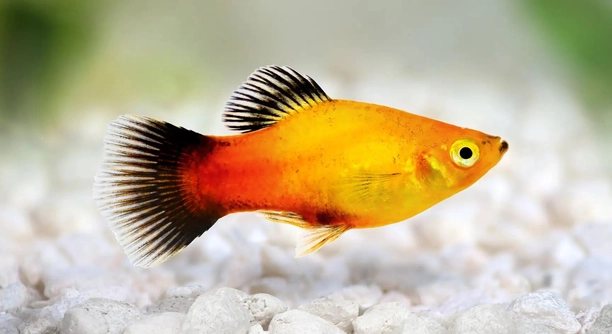
Do you ever find yourself watching your platies swim around and wonder if they know when you’re nearby? These small, colorful fish often react in ways that make you think they’re paying close attention.
Platies can sense when you’re near due to their acute sensitivity to vibrations, light changes, and movement in their environment. Their behavior often changes in response to human presence, especially if they associate it with feeding or interaction.
Observing how they respond to sound, shadow, and routine can tell you a lot about their awareness. Their reactions might be more than just habit.
How Platies Notice You
Platies are very aware of their surroundings. They may not have the intelligence of dogs or cats, but they still react to changes in their environment. When you approach the tank, they often swim closer to the glass. This reaction is tied to their ability to sense vibrations and changes in light. Your footsteps, shadow, or even slight water movements can signal your presence. If you feed them at the same time every day, they start to associate your appearance with food. Over time, this learned behavior can become routine. It’s not that they know you, but they recognize the pattern of your approach. Their behavior is a mix of instinct and memory, and while they may not form a bond like other pets, they definitely notice when something familiar comes near. This makes them seem more social than many people expect from a small freshwater fish.
They don’t recognize faces, but they respond to movement and sound patterns that feel familiar to them.
Because of their strong senses, platies quickly adjust to human presence. They’re not only watching for food but reacting to what feels normal in their daily environment. This helps them feel safe and stay alert in their tank.
What Senses Do Platies Use?
Platies rely mostly on sight, smell, and their lateral line system to sense their surroundings.
The lateral line system is a key part of how platies stay aware of movement and vibrations in the water. It runs along the sides of their body and picks up pressure changes caused by anything moving nearby. This is especially helpful in the wild, where they need to avoid predators or follow other fish. In a tank, this system helps them react to your footsteps or tapping on the glass. Their eyesight is also fairly strong, especially in well-lit environments. They can track motion and learn to expect food when they see a person approach. Smell plays a smaller but still useful role. Platies can detect chemical changes in the water, such as the presence of food or waste. Combined, these senses allow platies to notice changes in their space quickly. It’s part of what makes them active and curious fish in a home aquarium.
Why Platies React Differently to Different People
Platies often behave differently depending on who approaches their tank. Some people may trigger more activity simply because the fish associate them with feeding or daily care. Others may not get much of a reaction at all.
These differences usually come down to routine and familiarity. If you’re the one feeding them most of the time, platies are more likely to respond to your footsteps, voice, or shadow. They remember patterns, not individual people, so it’s more about your habits than your face. If someone else in your home doesn’t interact with them regularly, the fish may not react the same way. Even small changes in movement, smell, or how someone walks can influence how the platies respond. They’re tuned into their environment and quickly pick up on what’s familiar or different. These patterns can even shift over time as the fish adapt to new people.
Lighting, time of day, and how quiet or loud someone is can also influence their behavior. Platies get used to routines, and sudden changes—like a new person tapping on the glass—might make them hide or act uncertain. With regular interaction, even someone new can become part of what the fish see as normal.
How to Build Trust With Your Platies
Start by approaching the tank slowly and quietly at the same times each day. Let them associate your presence with something positive, like feeding or soft light. Avoid quick movements and loud sounds.
Consistency is key when it comes to gaining a platy’s trust. These fish respond to repetition. If you feed them at the same times each day and keep a calm environment, they will likely come to the glass when they see you. Over time, they’ll start to link your presence with comfort and safety. You can also spend time sitting near the tank without making any noise or sudden gestures. This helps them get used to your presence without feeling threatened. Avoid tapping on the glass or moving the tank decorations too often. By keeping things steady and calm, you give your platies a reason to feel secure, which helps them act more relaxed when you’re around.
Do Platies Respond to Sound?
Platies can pick up on certain sounds, especially low vibrations. While they don’t hear the same way humans do, they can still sense movement and noise through the water.
Sudden loud sounds or tapping can stress them. Soft, consistent noises—like a filter running—usually become part of their normal environment.
Can Platies Learn Routines?
Platies are good at learning simple routines. When feeding happens around the same time each day, they quickly begin to wait near the surface. Over time, they may also associate footsteps or the sound of a lid opening with food. They aren’t thinking deeply, but their behavior shifts based on what they experience regularly. Routines like light changes or tank cleanings can also influence their habits. They may hide during cleaning but become active again once things return to normal. Predictable care helps reduce stress and keeps them active. Even without complex thinking, their patterns show that repetition matters.
Are Platies Social With People?
They don’t bond like mammals, but they do respond to consistent human interaction, especially when it’s calm and regular.
FAQ
Can platies recognize their owners?
Platies don’t recognize faces like dogs or cats. Instead, they react to patterns such as how you move, when you feed them, or how often you appear. If you’re the person who feeds them regularly, they may swim toward you more than others. This is not because they know it’s you, but because they’ve learned to associate your presence with food or other routine activities. Their recognition is based on habit, not memory of individuals. They notice things like movement, voice tone, and shadows more than personal traits like facial features.
Do platies remember people over time?
Platies don’t remember specific people in the way mammals might, but they do learn and remember repeated actions. If you’re consistent with feeding and care, they remember the routine, not the person. This means they might respond to you more than a stranger, but only because of repetition. Their memory is short-term when it comes to individual actions but stronger when patterns repeat. For example, if you always turn on the light before feeding them, they’ll associate the light with food rather than the person turning it on.
Why do platies swim to the glass when I walk by?
This usually means they associate you with something positive, like food or attention. If it happens around feeding times, they likely expect to be fed. Their behavior is not based on affection but on learned cues. Walking by may cause vibrations or shadows, both of which they notice quickly. Even if you’re not feeding them right away, the action is enough to get their attention. This behavior becomes more consistent if you keep a routine.
Can platies hear your voice?
Platies don’t hear the way humans do, but they can sense sound vibrations through the water. Talking near the tank won’t be understood as speech, but they might respond to the tone or rhythm if it’s repeated. A calm voice won’t bother them, but loud talking, banging, or music with deep bass could make them uneasy. Over time, they may get used to your voice as part of the background, especially if it’s paired with feeding or calm activity.
Do platies enjoy human interaction?
They don’t enjoy interaction in the same way a dog or cat might. However, they can become more comfortable when they’re used to your presence. They may not seek attention, but they can feel less stressed when their environment is predictable. Some platies become more curious and active when a person they recognize comes near, especially around feeding times.
What happens if I suddenly stop feeding them and someone else takes over?
They may respond differently at first, seeming less active or unsure. But over time, they adjust to the new person. Platies rely on routine, not relationships, so they’ll begin to associate the new person with food. The adjustment period is usually short, especially if feeding times and behavior remain the same.
Why do some platies hide when people come near?
Hiding is a common response to sudden changes. If someone walks by too quickly, taps the tank, or is unfamiliar, platies may hide. This is a basic defense reaction. With time and calm repetition, they usually come out more quickly. If hiding continues, check for stress factors like poor water quality, loud noise, or aggressive tankmates.
Can platies be trained to respond to anything?
You can’t train them like a dog, but they will respond to repeated actions. For example, if you turn on a light before feeding them every time, they’ll start swimming to the top when the light goes on. They learn through repetition, not commands. Simple training, like tapping a spot on the tank before feeding, may also become linked to their behavior over time.
How long does it take for platies to get used to a new person?
Usually, a few days to a week is enough for them to adjust if the person is consistent and gentle. If routines stay the same, they’ll react to the new person just like they did to the previous one. Loud or sudden movements can slow this process down.
Can platies sense your mood or emotions?
Platies don’t have the emotional sensitivity to sense your mood. What they react to is body language, movement, and tone. If you’re moving slowly and speaking softly, they stay calm. If you move quickly or act unpredictably, they may hide. It’s more about physical cues than emotional ones.
Final Thoughts
Platies are small fish, but they’re more aware of their surroundings than many people think. They may not form deep bonds with humans like dogs or cats, but they do notice changes in their environment. They respond to light, movement, sound, and patterns they experience every day. If you walk by their tank at the same time every day, feed them regularly, or sit near the glass often, they begin to react to your presence. This doesn’t mean they recognize you as a person, but they learn to expect certain things when you’re around. These patterns help them feel safe and more comfortable in their space.
When platies act curious, swim up to the glass, or gather at the surface, they are responding to things they’ve learned through repetition. These behaviors are built through habit and routine, not emotions. Still, that doesn’t make them any less enjoyable to watch or interact with. Their small responses, like following your movements or swimming out of hiding when you arrive, can feel like signs of recognition, and in their own simple way, they are. By staying calm and consistent with your care, you help create an environment where your platies feel secure. This leads to more active, healthy fish that are easier to connect with.
Keeping platies can be a rewarding experience, especially when you understand how they think and react. They’re not pets that need a lot of attention, but they do benefit from stability and care. Watching how they respond over time helps you learn more about their behavior. They may never truly “know” you, but their ability to learn routines and react to familiar actions makes them feel more connected. The better you understand their needs and habits, the easier it becomes to notice when something is off or when they’re at ease. In the end, platies may be simple fish, but their small actions and responses bring a sense of life and movement to any aquarium.

Hello,
If you enjoy the content that we create, please consider saying a "Thank You!" by leaving a tip.
Every little bit helps us continue crafting quality advice that supports the health, happiness, and well-being of pets around the world, for pets of all shapes, sizes, and species.
We really appreciate the kindness and support that you show us!