
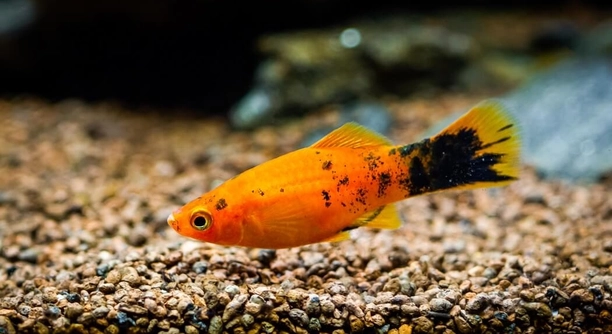
Platies are popular freshwater fish known for their bright colors and peaceful nature. Sometimes, they swim sideways, which can be a sign of an underlying issue. Understanding why this happens is important for maintaining their health and well-being.
Swimming sideways in platies is commonly caused by swim bladder disorders, water quality problems, infections, or physical injuries. These factors affect the fish’s buoyancy and balance, leading to abnormal swimming behavior that requires prompt attention.
Recognizing the reasons behind this behavior will help you provide the best care for your platy and ensure it stays healthy in your aquarium.
Swim Bladder Disorder
Swim bladder disorder is one of the most frequent reasons why your platy might be swimming sideways. The swim bladder is an internal organ that controls buoyancy, allowing fish to maintain their position in the water. When this organ is damaged or inflamed, the fish loses its balance and control. Causes of swim bladder issues can include constipation, poor diet, or infections. In some cases, overfeeding or feeding inappropriate foods can lead to digestive problems that affect the swim bladder. Additionally, sudden changes in water temperature or poor water quality may worsen the condition. Symptoms include difficulty swimming upright, floating to the surface, or sinking to the bottom. Treatment usually involves improving water conditions, adjusting the diet, and sometimes isolating the affected fish for closer care. Prompt attention is important to prevent the condition from becoming severe or fatal.
Swim bladder problems disrupt your platy’s ability to swim normally and require timely care to avoid worsening health.
Proper diet and tank maintenance can prevent many swim bladder issues, keeping your platy active and balanced in the water.
Water Quality Issues
Poor water quality is a common factor that can affect your platy’s swimming behavior. High levels of ammonia, nitrites, or nitrates in the tank can stress fish, leading to unusual swimming patterns like swimming sideways. Dirty or overcrowded tanks reduce oxygen levels, which also impacts fish health. Frequent water changes, regular tank cleaning, and monitoring water parameters are essential to maintain a healthy environment. Platies are sensitive to abrupt changes in water conditions, so it’s important to stabilize the tank parameters slowly when making adjustments. Using a reliable water test kit can help track water quality and identify potential issues early. If water quality is poor, fish may also develop infections or weakened immune systems, making them more vulnerable to swim bladder problems or other illnesses. Consistent maintenance of the aquarium is key to preventing these complications.
Keeping water clean and stable supports your platy’s health and reduces abnormal swimming caused by stress or illness.
Infections and Parasites
Infections and parasites can cause your platy to swim sideways. Bacterial or fungal infections affect the fish’s nervous system or swim bladder, disrupting balance. Parasites may also irritate or damage internal organs, causing abnormal behavior.
Bacterial infections often result from poor water quality or stress. Common signs include clamped fins, lethargy, and abnormal swimming. Treatment typically involves antibiotics and improving tank conditions. Fungal infections may appear as white spots or patches and require antifungal medication. Parasites like flukes or protozoa attach to the fish’s body or gills, leading to discomfort and erratic movement. Regular observation and prompt treatment can prevent infections from worsening.
Preventing infections starts with maintaining clean water and avoiding overcrowding. Quarantining new fish helps reduce the risk of introducing parasites. Healthy fish with a balanced diet have stronger immune systems, making them less prone to illness.
Physical Injury
Physical injury is another reason a platy may swim sideways. Injuries can happen from rough handling, collisions with tank decorations, or aggressive tank mates. Damage to the swim bladder or spine can affect balance and swimming ability.
Even minor injuries may cause discomfort or swelling inside the body. Infected wounds can develop if not treated quickly, leading to further complications. Isolating injured fish in a hospital tank allows focused care and reduces stress. Using gentle handling methods and providing enough swimming space helps avoid injuries. Observing fish for signs of trauma such as torn fins or unusual postures is important for early intervention. Proper tank setup, including smooth decorations and compatible fish species, reduces risks of physical harm.
Overfeeding
Overfeeding can cause swim bladder problems, leading your platy to swim sideways. Excess food may cause constipation and bloating, affecting buoyancy.
Feeding smaller portions and removing uneaten food helps prevent these issues. A balanced diet supports your platy’s digestive health and overall well-being.
Stress Factors
Stress is a common reason for abnormal swimming in platies. Changes in water temperature, loud noises, or aggressive tank mates can cause stress, which affects their behavior. Chronic stress weakens the immune system, making fish more vulnerable to illness and swim bladder disorders. Reducing stress involves providing a stable environment, hiding places, and compatible tank mates. Monitoring water parameters and avoiding sudden changes also helps keep stress levels low, promoting healthier swimming patterns and a longer lifespan for your platy.
Genetic Issues
Some platies may swim sideways due to inherited genetic defects affecting their swim bladder or nervous system. These issues can be difficult to treat and may require special care.
Poor Nutrition
A diet lacking essential nutrients weakens your platy’s health, potentially causing swim bladder problems and erratic swimming behavior.
FAQ
Why is my platy swimming sideways suddenly?
Sudden sideways swimming usually points to swim bladder problems. It could be caused by constipation, infections, or physical injury. Poor water quality and stress also contribute. Checking water parameters and feeding habits can help identify the cause quickly. Prompt care is important to prevent worsening symptoms.
How can I treat swim bladder disorder in my platy?
Treatment often starts with improving water quality and adjusting the diet. Fasting your platy for a day or two can relieve constipation, a common cause. Feeding shelled peas helps clear blockages. If infections are suspected, appropriate antibiotics may be needed. Keeping the tank clean and stable supports recovery.
Can poor water quality really cause swimming issues?
Yes, high ammonia or nitrite levels stress fish and damage internal organs. This leads to abnormal swimming, including swimming sideways. Regular water testing, frequent changes, and avoiding overcrowding prevent these problems. A stable environment keeps your platy healthy and swimming normally.
Are parasites common in platies?
Parasites can be common, especially if new fish are introduced without quarantine. They irritate the skin and gills, causing discomfort and odd swimming. Treating with antiparasitic medication and maintaining tank hygiene helps control infections and protects all tank inhabitants.
Is overfeeding really harmful to my platy?
Overfeeding can cause digestive issues like constipation and bloating. These affect the swim bladder and cause balance problems. Feeding small, controlled portions and removing uneaten food prevents these problems. A balanced diet with quality food is key to good health.
How do I reduce stress in my platy?
Stress can come from sudden changes, aggressive tank mates, or noisy environments. Providing hiding spots, keeping tank conditions stable, and choosing peaceful companions helps lower stress. Stress weakens the immune system and can trigger swim bladder or other health issues.
Can physical injuries cause swimming problems?
Yes, injuries from rough handling, sharp decorations, or fights with other fish may affect swimming. Damaged swim bladders or spines lead to imbalance. Keeping the tank safe and peaceful, along with isolating injured fish, helps prevent and manage injuries.
Is genetics a factor in swim bladder issues?
Some platies may inherit defects affecting their swim bladder or nervous system. These genetic issues can cause persistent swimming problems. While treatment may be limited, proper care and a stable environment can improve their quality of life.
What signs should I watch for besides swimming sideways?
Look for clamped fins, lethargy, loss of appetite, or visible spots and swelling. These may indicate infections, parasites, or other health issues. Early detection allows for faster treatment and better chances of recovery.
How often should I clean my platy’s tank?
Regular water changes every 1-2 weeks and cleaning of substrate help maintain water quality. Over-cleaning or sudden large water changes should be avoided to prevent stress. Consistency is key to a healthy environment.
Can I prevent swim bladder problems altogether?
While some causes are unavoidable, most swim bladder problems can be prevented with good tank maintenance, balanced feeding, and stress reduction. Quarantining new fish and monitoring behavior regularly also help catch issues early.
Platies are charming and colorful fish that many enjoy keeping in their aquariums. When a platy starts swimming sideways, it usually signals that something is wrong with its health or environment. Understanding the common reasons behind this behavior is important for anyone caring for these fish. Issues like swim bladder disorder, poor water quality, infections, or physical injuries can affect a platy’s ability to swim properly. Being aware of these causes helps owners take timely action to support their fish’s health and prevent further problems.
Maintaining a clean and stable tank environment plays a big role in keeping platies healthy and swimming normally. Regular water testing and changes help prevent harmful chemical buildup that stresses fish. Feeding a balanced diet in controlled amounts also supports digestive health and avoids common issues like constipation, which can affect buoyancy. Additionally, minimizing stress by providing hiding spaces and compatible tank mates creates a more comfortable home for your platy. When health problems do occur, early detection and treatment are key to recovery.
Taking care of a platy requires some attention to detail, but it is rewarding to see these fish thrive and swim gracefully. Paying attention to water quality, diet, and tank conditions prevents many swimming problems. If your platy swims sideways, act promptly by checking for the common causes mentioned and making adjustments as needed. With proper care, your platy can regain its balance and continue to brighten your aquarium with its lively presence.

Hello,
If you enjoy the content that we create, please consider saying a "Thank You!" by leaving a tip.
Every little bit helps us continue crafting quality advice that supports the health, happiness, and well-being of pets around the world, for pets of all shapes, sizes, and species.
We really appreciate the kindness and support that you show us!