
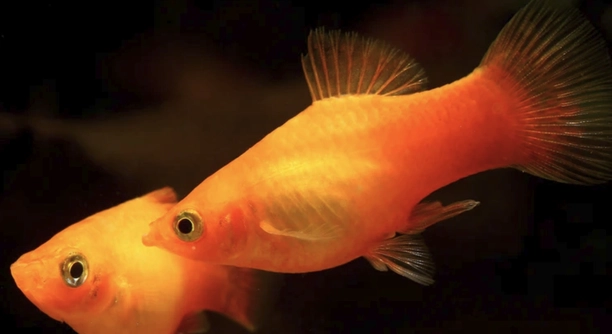
Platies are popular small fish kept in home aquariums. Many fish owners want to learn about their basic care and habits. Understanding the anatomy of platies can help keep them healthy and happy.
Platies do have teeth, but these teeth are very small and not used for biting like mammals. Their teeth help them scrape and nibble on food such as algae and plant matter in their environment.
Knowing about platies’ teeth can improve feeding and tank maintenance practices. This information is useful for both new and experienced fish keepers.
Understanding Platies’ Teeth Structure
Platies have tiny teeth arranged in rows inside their mouths. These teeth are called pharyngeal teeth and are located near the throat, rather than at the front of the mouth like in some other animals. Their small size makes them hard to see without close examination. The teeth are mainly used to help break down food, such as algae, plant matter, and small bits of protein. Since platies are omnivores, their teeth are adapted to handle a varied diet. Unlike larger fish with sharp teeth for hunting, platies use their teeth mostly to scrape and nibble. This helps them manage the types of food they find in their tank. Knowing this helps aquarists choose appropriate food that platies can eat easily, which supports their health and well-being over time. It’s a small detail that makes a big difference in care.
These teeth do not pose any danger to other fish or humans.
Keeping an eye on platies’ feeding habits and offering soft, easily chewable food will support their dental health. Providing algae wafers, flakes, and fresh vegetables like spinach or cucumber ensures their teeth remain functional and clean. Avoiding hard or sharp foods reduces stress on their tiny teeth and prevents injury. Regular tank cleaning also limits buildup on their teeth, helping them stay healthy. Understanding their teeth allows better care for these small but lively fish.
Why Teeth Matter for Platies’ Diet
Platies rely on their teeth to consume a balanced diet, which keeps them energetic and healthy. Their teeth allow them to nibble on a variety of foods, from algae to soft plants and small live foods. Without proper food, platies can develop health problems linked to poor nutrition. Their teeth help them process food efficiently, so offering a mix of plant-based and protein-rich items supports their natural eating behavior. Feeding appropriate foods helps prevent digestive issues and keeps the tank environment cleaner, as uneaten food breaks down less quickly. Providing the right diet is important for the lifespan and happiness of platies. Ensuring they can easily eat with their teeth keeps them active and thriving in your aquarium.
How to Care for Platies’ Teeth
Proper diet is essential for keeping platies’ teeth healthy. Soft foods and algae are ideal.
Feeding platies a variety of foods like flakes, frozen brine shrimp, and blanched vegetables supports their dental health. Avoid hard or overly crunchy foods that might damage their tiny teeth. Including natural algae growth in the tank also encourages natural scraping behavior, which helps keep their teeth clean. Regularly changing the water and cleaning the tank prevents buildup that could harm their teeth and overall health.
Observation is key. Watch how your platies eat and adjust their diet if they seem to struggle or lose weight. If they avoid food or show signs of distress, softer or more suitable food may be needed. Keeping their teeth healthy means fewer health issues and a happier fish.
Common Myths About Platies’ Teeth
Platies are sometimes thought to have dangerous teeth, but this is incorrect. Their teeth are small and harmless.
Some believe platies can bite humans or other fish aggressively, but their tiny teeth are only for scraping food. They cannot cause harm to tank mates or people. Another myth is that platies need special dental care like brushing, which isn’t necessary. Their teeth naturally stay clean through eating algae and soft foods. Knowing these facts helps reduce unnecessary worries and allows better care. Understanding how platies use their teeth helps focus on feeding and tank cleanliness rather than false concerns. This knowledge keeps both you and your fish more comfortable and confident.
Signs of Dental Issues in Platies
If a platy stops eating or becomes lethargic, it might have dental problems. Watch for unusual behavior or weight loss.
Check for difficulty in chewing or visible debris around the mouth. These signs may indicate discomfort or infection requiring attention.
Preventing Teeth Problems
Maintaining clean water and a balanced diet helps prevent dental issues. Avoid overcrowding, which can increase stress and lead to health problems.
Providing natural algae and soft foods keeps teeth healthy. Regular tank maintenance reduces bacteria buildup that could harm teeth and overall fish health.
Feeding Tips for Healthy Teeth
Soft vegetables like zucchini or spinach help keep platies’ teeth clean and strong. Algae wafers are also beneficial.
Avoid hard, sharp foods that can damage teeth. Variety in diet ensures good nutrition and dental care.
When to Seek Help
If your platy shows signs of illness or stops eating for several days, consult a vet. Early care can prevent serious problems.
FAQ
Do platies use their teeth to bite other fish or people?
No, platies do not use their teeth to bite other fish or humans. Their teeth are very small and designed only for scraping and nibbling food like algae and soft plant material. They are peaceful fish and rarely show aggressive behavior related to biting.
Can platies’ teeth cause any harm in the aquarium?
Platies’ teeth do not cause harm to other fish or the tank environment. Because their teeth are tiny and mainly used for feeding on soft foods and algae, they don’t damage plants or other fish. Their teeth actually help keep some algae growth under control, which benefits the tank.
How often do platies’ teeth need care or cleaning?
Platies’ teeth don’t require any special care or cleaning from the owner. Their teeth stay clean naturally by eating algae and soft foods. Maintaining good water quality and a balanced diet is the best way to support their dental health.
What foods are best to keep platies’ teeth healthy?
Soft vegetables like zucchini, spinach, and cucumber are great for platies. Algae wafers and high-quality fish flakes also help maintain their teeth. Avoid hard or sharp foods, as these can damage their small teeth. A varied diet ensures they get the nutrients they need.
Can platies lose their teeth?
Platies generally do not lose their teeth unless there is a health problem or injury. Poor diet, bad water quality, or infections can affect their teeth and overall mouth health. If a platy shows signs of difficulty eating or changes in behavior, it might need veterinary care.
Is it normal for platies to scrape surfaces with their mouths?
Yes, platies often scrape surfaces to eat algae or biofilm. This natural behavior helps clean their teeth and provides extra nutrition. It’s a sign that your platy is healthy and acting normally.
Do baby platies have teeth?
Baby platies have teeth, but they are very tiny and less developed than adults. As they grow, their teeth become stronger and better at processing food. Providing soft foods is important for young platies to ensure proper development.
Can platies’ teeth get infected?
Yes, although rare, infections can happen if there is poor water quality or injury to the mouth. Symptoms may include loss of appetite, swelling, or unusual behavior. Regular tank cleaning and good nutrition help prevent infections.
Should I worry if my platy stops eating?
If your platy stops eating for more than a day or two, it could indicate a dental or health issue. Observe for other signs like lethargy or changes in appearance. Adjusting diet or consulting a vet may be necessary.
Can platies’ teeth affect their lifespan?
Healthy teeth help platies eat well, which supports their overall health and lifespan. Poor dental health can lead to nutrition problems or infections, shortening their life. Proper feeding and tank care are key to keeping platies healthy long-term.
How can I tell if my platy has dental problems?
Signs include difficulty eating, weight loss, visible debris near the mouth, or changes in behavior. If you notice any of these, improving water quality and diet is important. Persistent issues should be checked by a specialist.
Do platies need special supplements for their teeth?
Platies do not need special supplements specifically for their teeth. A balanced diet rich in vitamins and minerals supports all their health needs. Focus on varied food sources and good tank conditions.
Can platies chew through aquarium plants?
Platies may nibble on soft aquarium plants, but their small teeth are not strong enough to damage tough or hardy plants. Choosing suitable plants helps maintain a healthy tank environment without stress for the fish.
Is it safe to handle platies if they have teeth?
Handling platies gently is always important, but their tiny teeth do not pose any risk to humans. They won’t bite or scratch. Use proper care when catching or moving them to avoid injury.
How often should I feed platies to maintain dental health?
Feeding platies small amounts two to three times a day is best. This keeps their teeth in use and prevents overeating. Offering a mix of flake food, vegetables, and occasional protein supports good dental and overall health.
Do platies groom themselves to care for their teeth?
Platies don’t groom their teeth like some animals do, but they naturally clean their teeth by scraping algae and eating soft foods. This behavior helps prevent buildup and keeps their teeth healthy.
Can tank conditions affect platies’ teeth?
Yes, poor water quality or overcrowding increases stress and risk of infections that can affect teeth and mouth health. Regular water changes and maintaining proper tank conditions are essential.
Are platies’ teeth different from other small fish?
Platies’ teeth are typical of many small omnivorous fish, designed for scraping and nibbling. They differ from predatory fish that have sharp teeth for hunting. Understanding this helps tailor care to their needs.
What should I do if I suspect my platy has a dental issue?
Improve water quality, adjust diet to softer foods, and monitor behavior closely. If problems continue, consulting a vet with experience in fish health is recommended for proper diagnosis and treatment.
Platies are small, peaceful fish that make great pets for many aquarium owners. Knowing about their teeth helps in understanding how they eat and what kind of food they need. Their teeth are tiny and mainly used for scraping algae and nibbling on soft plants or small bits of protein. Because of this, their teeth are not sharp or dangerous, and they don’t use them to bite other fish or people. This makes platies easy to care for and safe to keep with other fish in a community tank.
Taking care of platies’ teeth mostly means giving them the right diet and keeping their tank clean. Soft vegetables, algae wafers, and high-quality flakes are good choices for feeding. These foods are easy for platies to eat and help keep their teeth healthy. Hard or rough foods should be avoided because they can hurt the fish’s teeth. Regular water changes and tank maintenance also help prevent infections or problems that might affect the mouth and teeth. Watching your fish closely for any changes in eating habits or behavior is important. If a platy stops eating or looks sick, it could mean there is a dental or health issue that needs attention.
Understanding platies’ teeth and their needs allows for better care and a healthier fish. Feeding the right food and keeping their environment clean supports their natural behavior and prevents problems. Although platies’ teeth are small and not often noticed, they play an important role in the fish’s health. Paying attention to these small details can make a big difference in how well your platies live and thrive in your aquarium. With the right care, platies can be lively, happy additions to any fish tank.

Hello,
If you enjoy the content that we create, please consider saying a "Thank You!" by leaving a tip.
Every little bit helps us continue crafting quality advice that supports the health, happiness, and well-being of pets around the world, for pets of all shapes, sizes, and species.
We really appreciate the kindness and support that you show us!