
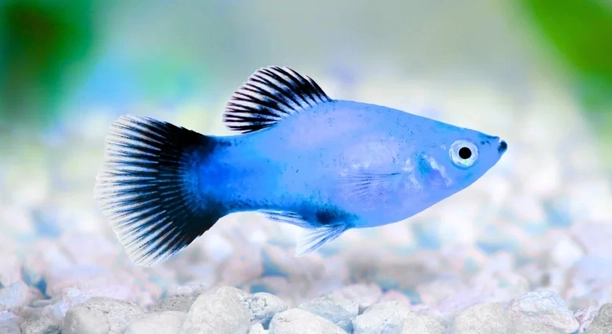
Many people enjoy keeping platies because they are colorful and easy to care for. However, these fish are sensitive to water temperature changes. When their tank gets too cold, it can affect their health and behavior noticeably.
Platy tanks that are too cold can cause slow metabolism, weakened immune systems, and lethargic behavior. Consistently low temperatures may lead to stress, illness, and even death if not addressed promptly. Maintaining proper warmth is essential for platies’ well-being.
Recognizing the signs of a cold tank helps you take quick action. Knowing what to look for will protect your fish and keep them comfortable in their environment.
Slow Movement and Lack of Energy
When a platy tank is too cold, you will often notice your fish moving much slower than usual. Their usual lively swimming turns into sluggish, almost lazy gliding. This happens because cold water slows down their metabolism, making it harder for them to stay active. You might also see them hiding more or resting at the bottom of the tank instead of exploring. If the temperature remains low for a long time, this lack of energy can affect their appetite and overall health. It is important to check the water temperature regularly and keep it stable to avoid these problems. A small heater can help maintain a warm environment that supports your platies’ natural behavior and keeps them healthy.
Reduced activity in platies is a clear indication that the water temperature might be too low.
Watching for these changes early can help you prevent more serious health issues. Keeping a thermometer in the tank makes monitoring simple and effective.
Clamped Fins and Color Loss
Clamped fins are a sign that your platy is stressed or uncomfortable, often due to cold water. When water temperature drops, platies hold their fins close to their bodies instead of spreading them out. This behavior reduces their ability to swim well and can make them more vulnerable to disease. Additionally, colder water can cause their bright colors to fade, making them look dull and less vibrant. Color loss happens because cold temperatures slow down pigment production in their skin. If you notice these signs, it is crucial to check your tank’s heater or add one if necessary. Keeping the water warm enough will help your platies keep their natural colors and healthy appearance. Stable warmth supports their immune system, reducing the chance of infections that often come with stress from cold.
Keeping water temperature stable is vital for platies’ comfort and health. Make sure your heater is working properly and set to the right level for tropical fish. Consistent warmth encourages natural fin movement and bright colors, which are signs of a happy, healthy tank. If clamped fins and dull colors persist, testing the water for other issues like ammonia or pH levels can also be helpful. But usually, adjusting the temperature alone makes a big difference. Remember, platies thrive best around 72–78°F (22–26°C), so keeping your tank within this range will support their well-being and make your aquarium more enjoyable to watch.
Loss of Appetite
Platies often stop eating when their tank is too cold. This behavior is a survival response to conserve energy in unfavorable conditions.
When the water temperature drops, a platy’s metabolism slows down, reducing its need for food. You might notice your fish ignoring regular feeding times or spitting out food after taking it in. This can quickly lead to weight loss and weaken the fish’s immune system. If not corrected, loss of appetite can make platies more vulnerable to diseases and infections. It’s important to monitor their eating habits closely and adjust the tank temperature to encourage normal feeding behavior. Providing high-quality, easily digestible food also supports recovery.
Cold water can affect digestion, making it harder for platies to process food properly. This might cause bloating or other digestive problems, adding more stress. Maintaining a stable, warm temperature helps restore their appetite and digestion, improving their overall health and energy levels.
Erratic Swimming Patterns
Erratic swimming is common when platies experience discomfort from cold water. You may see sudden darting, spinning, or bumping into tank decorations.
These unusual movements often indicate stress or physical weakness. Cold water can impair muscle function and coordination, making it difficult for platies to swim smoothly. Sometimes, this behavior signals an underlying illness triggered by low temperatures. Erratic swimming can also increase the risk of injury if fish collide with objects or other tank mates. Adjusting the temperature to the recommended range helps restore normal swimming behavior. Observing these changes early allows timely intervention before conditions worsen.
Maintaining consistent tank warmth reduces stress and promotes healthy swimming patterns. Combined with good water quality and a balanced diet, this creates a supportive environment where platies can thrive without sudden, erratic movements. Regular checks and proper care are key to preventing these problems from developing.
Gasping at the Surface
Platies may gasp for air at the water’s surface when the tank is too cold. This happens because cold water holds less oxygen, making it harder for them to breathe.
Insufficient oxygen causes fish to come up for air more often. If this behavior continues, it signals poor water conditions that need to be fixed quickly. Increasing aeration and raising the temperature can improve oxygen levels.
Increased Susceptibility to Disease
Cold water weakens platies’ immune systems, making them more prone to infections and parasites. Common illnesses in cold tanks include fin rot and fungal infections.
Keeping the tank temperature steady helps platies fight off diseases and recover faster. Avoid sudden temperature changes, as they add stress and increase illness risk.
Hiding More Often
Platies tend to hide more when they feel cold or stressed. They look for shelter to feel safer and conserve energy. This behavior can be an early warning sign that your tank temperature is too low.
FAQ
How cold is too cold for a platy tank?
Platies thrive best in water temperatures between 72°F and 78°F (22°C to 26°C). Temperatures below 70°F (21°C) are considered too cold and can cause stress or health issues. Consistently low temperatures slow their metabolism and weaken their immune system, so keeping the tank warm is essential.
What are the best ways to keep my platy tank warm?
Using an aquarium heater with an adjustable thermostat is the easiest and most reliable way to maintain a stable temperature. Place a thermometer in the tank to monitor the water regularly. Avoid placing the tank near drafts, windows, or air conditioners where the temperature can fluctuate.
Can platies survive short periods of cold water?
Short cold spells may not immediately harm platies, but even brief exposure to low temperatures can cause stress. Stress weakens their immune system, making them more vulnerable to disease. It’s best to keep their environment consistent to prevent any long-term effects.
How quickly should I adjust the temperature if my tank is too cold?
Temperature changes should be gradual, around 1-2°F per hour, to avoid shocking your fish. Rapid temperature shifts can cause more stress than the cold itself. Use a reliable heater and adjust it slowly, monitoring the fish for any signs of distress.
Why do platies lose color in cold water?
Cold temperatures slow down pigment production in platies, causing their colors to fade. This is a natural reaction to conserve energy in an unfavorable environment. Maintaining proper warmth helps restore their vibrant colors and overall health.
What other symptoms might indicate my platy tank is too cold?
Besides slow movement and loss of appetite, look for clamped fins, erratic swimming, gasping at the surface, hiding more often, and increased susceptibility to disease. These signs suggest your platies are stressed and uncomfortable due to low temperature.
Is it safe to use a heater all the time in a platy tank?
Yes, it is safe and recommended to use a heater continuously, especially if room temperature fluctuates or is below the ideal range. A good heater maintains stable conditions, which are crucial for the health and comfort of your platies.
Can cold water cause diseases in platies?
Cold water weakens the immune system, making platies more prone to infections such as fin rot and fungal diseases. Keeping the tank at the right temperature supports their defenses and reduces the risk of illness.
What should I do if my platy shows signs of cold stress?
First, check and adjust the tank temperature to the ideal range. Improve aeration and water quality. Provide high-quality food and avoid any sudden changes in the tank environment. Monitor your fish closely and consult a vet or aquarium expert if symptoms worsen.
Are there any natural ways to keep the tank warmer?
Placing the tank in a warm room away from drafts helps maintain temperature. Adding live plants can also stabilize water conditions, but they don’t replace the need for a heater in cooler climates. Using a tank cover reduces heat loss too.
How often should I check my platy tank’s temperature?
Daily checks are best to ensure the water stays within the safe range. Temperature can fluctuate due to weather or room conditions, so frequent monitoring helps you catch problems early.
Can cold water affect platy breeding?
Yes, platies require warm water to breed successfully. Cold water can delay or stop spawning and affect the development of fry. Maintaining consistent warmth is important for healthy reproduction.
What is the ideal temperature range to keep platies happy and healthy?
The best temperature range is 72–78°F (22–26°C). Staying within this range supports normal metabolism, activity, and immune function, helping your platies live a long, healthy life.
How can I tell if my heater is working properly?
Use a reliable thermometer separate from your heater’s built-in gauge. If the water temperature stays stable within the ideal range, your heater is working well. If you notice wide fluctuations, it might be time to replace or repair the heater.
When it comes to keeping platies healthy, maintaining the right water temperature is one of the most important factors. Platies are tropical fish that need warm, stable water to thrive. If the tank gets too cold, it can lead to many problems, from slow movement and loss of appetite to weakened immune systems and disease. Paying attention to the signs of a cold tank will help you catch issues early and take action before your fish get seriously sick. Regularly checking your tank’s temperature with a reliable thermometer is an easy way to prevent many problems.
Using a good aquarium heater with a thermostat is the best way to keep your platy tank warm and steady. A heater helps maintain a consistent temperature even if the room temperature changes throughout the day. Sudden drops or rises in water temperature can stress your fish, so gradual, stable warmth is key. Along with proper heating, make sure your tank is placed away from cold drafts or direct sunlight, as these can cause temperature swings. Keeping the environment calm and steady creates a better home for your platies.
Finally, remember that platies depend on you to provide a comfortable living space. Monitoring their behavior, looking out for signs of cold stress, and maintaining clean water will help keep them healthy and happy. While it may seem like just a number on a thermometer, temperature affects every part of your platies’ life—from how active they are to how well they fight illness. Taking simple steps to keep their tank warm will give your fish the best chance at a long and vibrant life.

Hello,
If you enjoy the content that we create, please consider saying a "Thank You!" by leaving a tip.
Every little bit helps us continue crafting quality advice that supports the health, happiness, and well-being of pets around the world, for pets of all shapes, sizes, and species.
We really appreciate the kindness and support that you show us!