
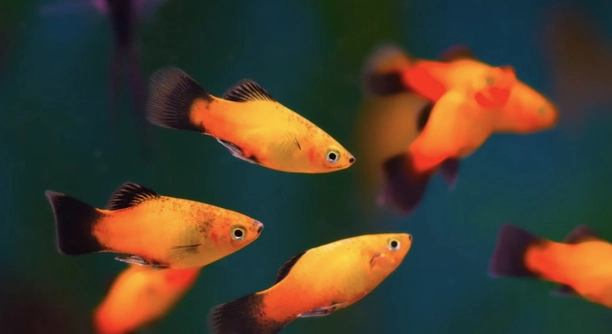
Many platies are lively fish that enjoy swimming in open water. Sometimes, they suddenly change and start hiding more than usual. This shift in behavior can feel worrying for their owners.
Platies may hide suddenly due to stress, illness, changes in their environment, or water quality problems. These factors make them seek shelter as a way to feel safe and protect themselves from perceived threats.
Learning what causes this change helps you support your platy’s health and comfort. Keeping an eye on their behavior is key to understanding their needs better.
Common Reasons Why Your Platy Might Be Hiding
Platies often hide when they feel stressed or uncomfortable in their environment. Changes like new tank mates, sudden shifts in water temperature, or poor water quality can trigger this behavior. Sometimes, illness or injury causes them to seek shelter. Even simple things like rearranging decorations or adding new plants can make them nervous. These fish naturally prefer calm, stable conditions. When something disrupts their routine, hiding becomes their way of coping. It is important to observe your tank closely to spot any changes that could be affecting your platy. Checking water parameters such as pH, ammonia, and nitrite levels regularly helps maintain a healthy space. Proper care reduces stress and helps your fish feel safe enough to come out and swim around confidently.
Stress can build up quickly in fish and cause hiding. Identifying the cause early helps prevent long-term health problems.
By understanding what makes your platy hide, you can create a more comfortable environment. Keeping a stable tank and avoiding sudden changes supports their well-being. Regular water testing, gentle tank cleaning, and mindful introductions of new fish reduce stress. Providing plenty of hiding spots like plants or caves can also give them safe spaces without making them feel trapped. When illness is suspected, prompt treatment and quarantine may be necessary. Watching your fish’s behavior daily helps you catch problems early. In time, your platy will feel more secure and start swimming freely again.
How to Encourage Your Platy to Come Out of Hiding
Making your platy feel safe is key to encouraging it to explore again. A calm, stable tank environment and gentle care help build trust.
Start by maintaining clean water and stable temperature. Avoid sudden changes or loud noises near the tank. Adding more plants or decorations can create comfortable hiding spots that gradually help your platy feel secure. Feeding at consistent times also builds a routine your fish can rely on. Patience is important; some fish take longer to adjust. Watch for signs of improvement, like swimming near the front or eating normally. If your platy continues to hide despite your efforts, consider consulting a vet for possible health issues. Helping your platy feel safe will improve its quality of life and strengthen the bond you share.
Signs Your Platy Is Stressed or Sick
When a platy hides a lot, it often shows signs of stress or illness. Look for changes like clamped fins, loss of appetite, or pale colors. These signs help you act before the problem worsens.
Stress weakens a platy’s immune system, making it more vulnerable to disease. Poor water quality, aggressive tank mates, or overcrowding can cause this stress. Illnesses such as ich, fin rot, or internal parasites often follow. Regularly checking your fish for unusual behavior or physical changes helps catch problems early. If your platy looks lethargic or has spots on its body, it might need treatment. Quarantine sick fish to prevent spreading illness. Keeping the tank clean and stable reduces stress and supports recovery.
A healthy platy is active, shows bright colors, and eats regularly. Monitoring these traits can save your fish’s life.
Improving Your Platy’s Environment for Comfort
Stable water conditions are essential for your platy’s well-being. Regularly test water parameters and do partial water changes to keep the tank clean and safe.
Proper tank size and layout also matter. A minimum of 10 gallons is recommended for platies to swim freely. Adding plants and hiding places reduces stress by giving your fish safe spots. Avoid overcrowding by keeping a balanced number of fish, which lowers aggression and competition. Use a gentle filter and keep water temperature between 70-78°F to mimic their natural habitat. Consistent lighting and feeding routines help your platy feel secure. Small adjustments in their environment can make a big difference in their comfort and behavior.
Tank Mates That Cause Stress
Some fish are too aggressive or active for platies, causing them to hide. Avoid mixing platies with overly territorial species.
Peaceful community fish like guppies or mollies usually get along well with platies. Choosing compatible tank mates reduces stress and encourages natural behavior.
Signs of Water Quality Problems
Cloudy water, strong odor, or dead plants can signal poor water quality. These conditions harm platies and make them hide more.
Maintaining clean water through regular testing and changes prevents these issues. Stable water conditions are essential for your platy’s health and comfort.
Using Plants and Decorations to Reduce Stress
Live plants and decorations provide hiding spots that help platies feel safe. Choose dense plants like Java fern or Anubias.
These natural covers reduce stress by mimicking their natural habitat and offering places to retreat when feeling threatened.
When to Consult a Veterinarian
If your platy’s hiding persists despite good care, it may have a health issue requiring professional help. Early diagnosis improves treatment success.
FAQ
Why did my platy suddenly start hiding after I added new fish?
Adding new fish can upset the tank’s balance. Your platy might feel threatened or stressed by unfamiliar tank mates. New fish often cause competition for food or territory, which can make platies hide to avoid conflict. To help, introduce new fish slowly, provide plenty of hiding spots, and observe their interactions closely.
How long can a platy hide before it becomes a serious problem?
If your platy hides for more than a few days and stops eating or swimming normally, it could signal illness or extreme stress. Prolonged hiding often leads to weakened health, so it’s important to act quickly. Check water quality and tank conditions, and if no improvement occurs, consider consulting a vet.
Can poor water quality cause hiding behavior in platies?
Yes, poor water quality is a common cause of hiding. High levels of ammonia, nitrites, or sudden pH changes stress fish and encourage them to seek shelter. Keeping the tank clean with regular water tests and changes is vital to prevent this behavior and maintain fish health.
Is it normal for platies to hide at night?
Platies are generally active during the day and may rest or hide at night. This behavior is normal if they come out to swim and eat during the day. However, if hiding continues during daylight hours, it may indicate a problem such as stress or illness.
What can I do if my platy is hiding because of stress?
Reduce stress by ensuring stable water conditions, adding plants or decorations for shelter, and avoiding aggressive tank mates. Keep a regular feeding schedule and minimize loud noises near the tank. Patience is important—stress takes time to lessen, and your platy will feel safer with consistent care.
Could illness be the reason my platy is hiding?
Illness is a common reason for hiding. Signs include clamped fins, spots, pale colors, or sluggish movement. Ill fish seek shelter to conserve energy and avoid threats. If you notice these symptoms, quarantine your platy and treat the illness promptly with the right medication.
How often should I check my aquarium’s water quality to prevent hiding?
Testing water parameters like ammonia, nitrites, nitrates, and pH at least once a week is recommended. Frequent testing helps catch problems early before they affect your fish’s health. Regular partial water changes also keep the tank environment safe and comfortable for platies.
Do platies need hiding spots, or will they hide even if there are none?
Platies naturally look for places to hide when they feel unsafe. Providing plants and decorations gives them a sense of security and reduces stress. Without hiding spots, they may still try to find shelter but could become more anxious or stressed in an open tank.
Can changing the tank layout cause my platy to hide?
Yes, rearranging the tank can make platies feel unsettled. Changes to familiar structures may cause temporary hiding as they adjust. It’s best to make small changes slowly and provide plenty of familiar hiding spots during the transition to keep stress low.
What signs show my platy is recovering and ready to come out of hiding?
Look for brighter colors, more active swimming, and regular eating habits. When your platy starts exploring the tank again and interacts with other fish, it shows confidence and improved health. These signs mean your efforts to reduce stress and treat any illness are working well.
Your platy hiding suddenly can feel worrying, but it’s usually a sign that something in its environment needs attention. Stress, illness, or changes in the tank often cause this behavior. Understanding why your platy hides helps you respond quickly and carefully. Fish like platies rely on stable, comfortable surroundings to thrive. When something disrupts their usual conditions, hiding becomes their way to cope. Taking time to observe your fish and their environment is the first step in helping them feel safe again.
Maintaining good water quality is one of the most important things you can do for your platy’s health. Regular testing and partial water changes keep harmful chemicals like ammonia and nitrites at low levels. This prevents stress and illness that often cause hiding. Also, consider the tank setup—adding plants and decorations gives your platy places to retreat when needed. At the same time, avoid overcrowding and aggressive fish that can cause stress. Keeping a consistent feeding and lighting schedule adds to a calm, predictable environment that your platy will appreciate.
If your platy continues to hide despite these efforts, it may be time to look closer at its health. Signs like clamped fins, faded colors, or lack of appetite suggest illness. Acting early by quarantining and treating sick fish improves their chance of recovery. Patience is key, as fish often need time to adjust and regain confidence. By paying attention to your platy’s behavior and making careful changes, you can support its well-being and enjoy watching it swim freely and happily again.

Hello,
If you enjoy the content that we create, please consider saying a "Thank You!" by leaving a tip.
Every little bit helps us continue crafting quality advice that supports the health, happiness, and well-being of pets around the world, for pets of all shapes, sizes, and species.
We really appreciate the kindness and support that you show us!