
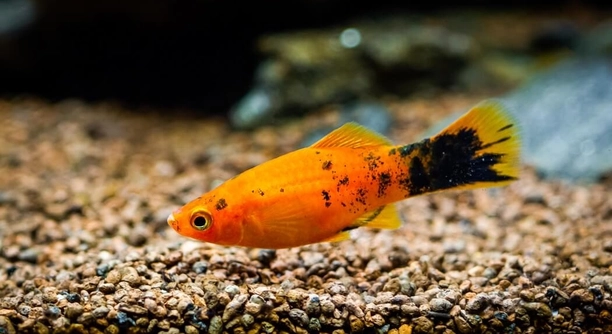
Platy fish are popular pets because of their bright colors and peaceful nature. Many owners want to see their platys grow healthy and strong. Feeding them the right foods plays a big role in their growth and well-being.
Seven specific foods support platy growth by providing essential nutrients like proteins, vitamins, and minerals. These foods promote healthy development, boost the immune system, and enhance coloration, ensuring platys thrive in their aquatic environment.
Choosing the right diet can make a real difference in your platy’s health and longevity. This guide will help you understand which foods work best for their growth.
High-Protein Flakes
High-protein flakes are a staple for platy fish. They contain a balanced mix of proteins and nutrients that help support growth and energy. These flakes are easy to digest and keep your platys healthy. Feeding flakes regularly ensures they get consistent nourishment. Many brands offer flakes specifically made for livebearers like platys, which boosts their development. Including high-protein flakes in their diet helps maintain their vibrant colors and strong immune systems. When choosing flakes, look for ones with quality ingredients and no fillers. Overfeeding flakes should be avoided, as it can pollute the tank water. It is best to feed small amounts multiple times a day to meet their nutritional needs without waste.
Protein-rich flakes provide essential amino acids needed for muscle and tissue repair. They are convenient and affordable, making them a good daily option. Regular feeding helps platys maintain steady growth.
Flakes alone may not be enough for all their needs. Combining them with fresh or frozen foods will keep your platy’s diet well-rounded and more beneficial.
Live or Frozen Brine Shrimp
Brine shrimp, either live or frozen, are an excellent protein source. They are rich in essential nutrients that promote growth and vitality. Platys eagerly eat brine shrimp, which can improve their appetite and activity levels. Adding brine shrimp to their diet a few times a week offers variety and additional nutrition.
Brine shrimp support muscle development and overall health.
Feeding brine shrimp occasionally provides a boost of protein and essential fatty acids. Live brine shrimp encourage natural hunting behavior, keeping your platys active and engaged. Frozen brine shrimp are a convenient alternative that retains most nutritional value. To ensure freshness, thaw frozen shrimp before feeding. Including brine shrimp alongside flakes or pellets diversifies your platy’s diet and prevents dietary deficiencies. This mix of foods promotes balanced growth and stronger immune defenses. Offering a variety of food types reduces the risk of boredom and encourages healthy eating habits, which contribute to your fish’s long-term well-being.
Fresh Vegetables
Fresh vegetables are important for platys because they provide fiber and essential vitamins. Small amounts of finely chopped vegetables can improve digestion and overall health. They also add variety to the diet, which is beneficial for platy fish.
Leafy greens like spinach and lettuce work well when chopped into tiny pieces. You can also try zucchini or cucumber slices, peeled and softened by blanching. Make sure to remove any uneaten vegetables after a few hours to keep the tank clean. Vegetables help prevent constipation and provide nutrients that flakes and pellets might miss. Feeding a small portion two or three times a week keeps your platys happy and healthy.
Introducing fresh veggies can be easy once you find what your platys like best. Over time, they may even come to expect this healthy treat as part of their regular meals. Balancing vegetables with protein foods ensures they receive a well-rounded diet for steady growth.
Bloodworms
Bloodworms are a rich protein source and highly favored by platys. These worms support muscle growth and energy levels. Using bloodworms as an occasional treat adds excitement and nutrition to their meals.
Bloodworms contain important nutrients like iron and amino acids that help develop strong muscles and improve coloration. Frozen bloodworms are a safe option, reducing the risk of introducing parasites. Live bloodworms stimulate natural hunting behavior, making feeding time more interactive. Offering bloodworms once or twice a week provides essential nutrients without overloading their diet. Be careful not to feed too many, as excess can pollute the water and harm your fish. Using bloodworms along with flakes and vegetables offers a balanced approach, improving your platy’s health and vitality. This variety keeps feeding interesting and supports their natural instincts.
Spirulina
Spirulina is a blue-green algae packed with nutrients. It enhances coloration and supports immune health in platys. Adding spirulina to their diet boosts overall vitality.
Many flakes include spirulina as an ingredient, but pure spirulina flakes or powder can be given occasionally. It also improves digestion and provides antioxidants that help keep platys healthy and active.
Daphnia
Daphnia are small water fleas that serve as live or frozen food. They are rich in fiber and protein, promoting digestion and growth. Feeding daphnia once or twice a week can help maintain your platys’ health.
Pellets
Pellets are a common and convenient food option. They usually contain balanced nutrients tailored for tropical fish. Regular feeding of quality pellets supports steady growth and overall health in platys.
FAQ
What are the best foods to help platy fish grow faster?
High-protein flakes, live or frozen brine shrimp, and bloodworms are some of the best foods for faster growth. These foods provide essential proteins and nutrients that support muscle development and overall health. Including fresh vegetables and spirulina also adds vitamins and fiber, creating a balanced diet for platys.
How often should I feed my platy fish?
It’s best to feed platys small amounts two to three times a day. Overfeeding can pollute the tank and cause health problems. Giving a mix of flakes, pellets, and occasional treats like bloodworms or brine shrimp helps maintain a balanced diet without overloading their system.
Can I feed only flakes or pellets?
While flakes and pellets provide balanced nutrition, relying on them alone may miss some nutrients. Adding fresh vegetables and live or frozen foods like brine shrimp or daphnia enhances their diet, improving health and coloration. Variety is key to keeping platys strong and active.
Are live foods necessary for platy growth?
Live foods aren’t strictly necessary, but they add valuable proteins and stimulate natural hunting behaviors. Live or frozen bloodworms, brine shrimp, and daphnia offer nutritional benefits that support muscle growth and immune health. Including them occasionally in the diet helps maintain vitality.
How do I prepare fresh vegetables for platys?
Vegetables should be finely chopped and blanched if needed to soften them. Leafy greens, zucchini, or cucumber are good choices. Remove any uneaten pieces after a few hours to prevent water quality issues. Vegetables provide fiber and vitamins that aid digestion and overall health.
Can overfeeding harm my platy fish?
Yes, overfeeding can cause poor water quality, leading to stress and illness. It can also cause obesity and digestive problems in platys. Feeding small portions multiple times a day and removing excess food helps maintain a clean tank and healthy fish.
What are the signs of a poor diet in platy fish?
Signs include dull colors, slow growth, lethargy, and increased susceptibility to disease. Poor digestion or bloating can also indicate a lack of fiber or too much food. A balanced diet with variety helps prevent these issues and keeps platys vibrant.
Is it okay to feed frozen foods only?
Frozen foods like bloodworms or brine shrimp retain most nutrients and are a safe option to avoid parasites. Feeding frozen foods regularly provides variety and important proteins. However, combining frozen with flakes, pellets, and vegetables ensures a more complete diet.
How can I improve my platy’s color through diet?
Foods rich in carotenoids, like spirulina and bloodworms, help enhance color. Fresh vegetables and high-quality flakes with natural color enhancers also contribute. A balanced diet with these foods improves brightness and makes your platys stand out.
What should I avoid feeding my platy fish?
Avoid feeding bread, processed human food, or anything with additives. Large or hard foods that are difficult to digest can cause health problems. Also, never overfeed, and avoid food that could pollute the tank water quickly. Sticking to recommended foods keeps platys healthy.
Can I feed my platys the same food every day?
Feeding the same food daily may lead to nutrient gaps and boredom. Mixing flakes, pellets, live or frozen foods, and vegetables provides balanced nutrition and keeps them interested in eating. Variety supports better growth and immune health.
How do I know if my platy fish is getting enough food?
Platys should eat all food within a few minutes without leftovers. If they seem hungry shortly after feeding, you might increase the portion slightly. Monitor their behavior and tank cleanliness to avoid overfeeding while ensuring they get enough nutrition.
Taking good care of platy fish means paying close attention to their diet. Feeding them the right foods helps them grow strong, stay healthy, and show their best colors. It is important to include a variety of foods that give them proteins, vitamins, and minerals. High-protein flakes and pellets are good daily staples because they contain balanced nutrients. Adding live or frozen foods like brine shrimp, bloodworms, and daphnia provides extra protein and encourages natural behaviors. Fresh vegetables like spinach or zucchini add fiber and help digestion. Spirulina is also a great addition for color and immune support. A varied diet ensures your platys get all the nutrients they need.
How much and how often you feed your platys is just as important as what you feed them. Overfeeding can lead to dirty water and health problems, so small portions given two or three times a day work best. Watch your fish during feeding to make sure they eat all the food within a few minutes. Removing any uneaten food helps keep the tank clean. It is also important not to rely on one food type only. A mix of flakes, pellets, fresh vegetables, and occasional live or frozen treats keeps platys active and prevents boredom. This balanced approach leads to steady growth and strong immune systems, helping your fish live longer and more vibrant lives.
In the end, feeding platys well is about balance and care. Paying attention to their needs and making small changes in their diet can make a big difference. When you include a variety of nutritious foods and feed responsibly, your platys will show better health and brighter colors. Keeping their environment clean and stable also supports their well-being. By providing proper nutrition and good tank conditions, you can enjoy watching your platys thrive. Healthy, happy platys are rewarding and bring a lot of joy to any aquarium.

Hello,
If you enjoy the content that we create, please consider saying a "Thank You!" by leaving a tip.
Every little bit helps us continue crafting quality advice that supports the health, happiness, and well-being of pets around the world, for pets of all shapes, sizes, and species.
We really appreciate the kindness and support that you show us!