
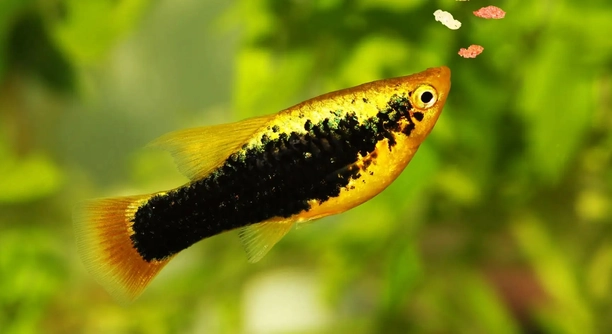
Platies are colorful, lively fish that bring charm to any aquarium. However, they can sometimes show signs of stress, which affects their health and behavior. Knowing how to reduce their stress helps keep them happy and thriving in your care.
Stress in platies often results from poor water quality, overcrowding, improper diet, and sudden environmental changes. Maintaining stable conditions, providing a balanced diet, and ensuring enough space are essential to minimize stress and promote overall wellbeing.
Simple adjustments in your aquarium setup and routine care can make a big difference. These small changes help create a peaceful environment where your platies can flourish comfortably.
Maintain Clean Water Conditions
Keeping your aquarium water clean is crucial for reducing platy stress. Dirty water can cause discomfort and lead to illness. Regular water changes remove harmful chemicals and waste. It is important to test the water often for ammonia, nitrites, and nitrates, as these can be toxic to fish. Using a good water filter also helps maintain clarity and quality. Avoid overfeeding, since leftover food can pollute the water. Cleaning the tank walls and gravel will prevent buildup of algae and debris. By maintaining a clean environment, your platies will feel safer and more comfortable in their home. Consistent care and attention to water quality will greatly reduce stress and keep them healthy.
Water quality directly affects platies’ health and mood. Clean water reduces the risk of disease and stress.
A steady routine for water maintenance is essential. Weekly partial water changes of about 20 to 30 percent help keep the tank fresh. Testing kits are affordable and easy to use for checking water parameters. Avoid sudden changes in water temperature or pH, as these can shock your fish. Keeping the water stable makes platies feel secure. Filters should be cleaned regularly but not replaced all at once, to preserve beneficial bacteria. Proper filtration and regular cleaning create a balanced environment that supports your platies’ wellbeing.
Provide Adequate Space and Environment
Platies need enough space to swim freely without feeling crowded. Overcrowding increases stress and aggressive behavior. A tank size of at least 10 gallons for a small group is recommended. Decorations and plants offer hiding spots that help fish feel secure. Live plants also improve water quality by absorbing toxins and providing oxygen. Avoid placing the tank in direct sunlight or near loud noises, as these disturbances can stress platies. Creating a calm and spacious environment allows platies to thrive and reduces their stress significantly.
Space and calm surroundings play a big role in stress reduction.
Giving your platies room to swim and explore is key. Overcrowded tanks lead to competition for food and territory, raising stress levels. Adding plants, rocks, or caves provides natural hiding spots that fish use to escape stress or rest. Plants like Java fern or Anubias are low maintenance and safe for platies. A well-decorated tank mimics their natural habitat and encourages natural behaviors. Keep the lighting gentle and consistent, avoiding sudden changes. Position the tank in a quiet place away from heavy foot traffic. These steps help your platies feel safe and comfortable every day.
Monitor Water Temperature
Platies are sensitive to sudden temperature changes, which can cause stress. Keep the water temperature steady between 70 and 78°F (21 to 26°C) for optimal comfort. Use a reliable heater and thermometer to maintain consistency.
Maintaining a stable temperature helps avoid shock and illness. Rapid fluctuations can weaken their immune system and cause lethargy. A heater with an adjustable thermostat ensures the water stays within the safe range. Check the temperature daily, especially during seasonal changes or if your home experiences temperature swings. Avoid placing the tank near windows, vents, or heating sources that could cause rapid changes. Keeping a steady temperature supports your platies’ overall health and lowers stress levels.
If your tank is too cold or hot, platies may stop eating or hide frequently. Consistency in temperature keeps them active and healthy. Installing a good-quality heater and thermometer is a small investment with big benefits. Regular monitoring helps catch problems early before they affect your fish. Stability in their environment is one of the simplest ways to reduce stress and promote a peaceful aquarium.
Feed a Balanced Diet
A balanced diet is essential for your platies’ health and stress reduction. Feed high-quality flakes or pellets designed for tropical fish. Include fresh vegetables and occasional protein treats like brine shrimp or bloodworms.
Platies require a mix of nutrients to stay healthy and vibrant. Feeding them too much or too little can cause digestive issues or poor growth. Offer small portions two to three times daily to prevent leftover food from polluting the tank. Variety in their diet provides vitamins and minerals necessary for immune function. Fresh vegetables like zucchini or spinach are good supplements that help digestion. Protein treats should be given sparingly to avoid overfeeding. Balanced nutrition supports their immune system, reducing vulnerability to stress and disease.
Avoid sudden changes in diet, as this can stress your fish. Introducing new foods slowly allows their digestive system to adjust. Proper feeding habits reduce aggression related to competition for food. Observing your platies during feeding helps you notice any health problems early. Good nutrition is a key part of keeping your fish happy and stress-free.
Avoid Overcrowding
Too many platies in one tank creates competition for space and resources. This leads to stress, aggression, and poor health. Keep the number appropriate for your tank size.
A general rule is one inch of fish per gallon of water. Overcrowding reduces oxygen levels and increases waste buildup, harming water quality. Proper stocking helps maintain a balanced environment where platies can thrive peacefully.
Reduce Sudden Changes
Sudden changes in environment or routine can stress platies. Keep feeding, lighting, and cleaning schedules consistent to avoid unnecessary disruption.
Use Proper Lighting
Proper lighting supports platies’ natural behavior. Avoid overly bright or flickering lights, which can cause stress. Use a timer to maintain a steady day-night cycle.
Regular Observation
Watch your platies daily for signs of stress, illness, or unusual behavior. Early detection helps address issues before they worsen.
FAQ
How often should I change the water to reduce platy stress?
Changing about 20 to 30 percent of the water every week is ideal. This keeps harmful chemicals low and maintains a stable environment. Avoid changing too much at once, as sudden shifts in water conditions can stress your platies.
What is the best temperature for platies?
Platies thrive between 70 and 78°F (21 to 26°C). Keeping the temperature steady within this range reduces stress and helps them stay healthy. Use a heater and thermometer to monitor and control the temperature.
Can overcrowding cause illness in platies?
Yes, overcrowding increases stress and weakens the immune system. It also leads to poor water quality, which encourages disease. Make sure your tank size matches the number of fish to prevent overcrowding.
What should I feed my platies?
Feed a balanced diet with high-quality flakes or pellets made for tropical fish. Supplement with fresh vegetables like zucchini or spinach and occasional protein treats such as brine shrimp or bloodworms. Feed small portions two to three times daily.
How do I know if my platies are stressed?
Signs include hiding, loss of appetite, erratic swimming, or faded colors. Stress can also weaken their immune system, making them prone to illness. Regular observation helps catch these signs early.
Can sudden changes in lighting affect platies?
Yes, sudden or overly bright lighting can stress platies. Use a timer to create a consistent day-night cycle and avoid flickering lights to help them feel secure.
Is it necessary to have live plants in the tank?
Live plants offer hiding spots and improve water quality by absorbing toxins and adding oxygen. They create a more natural and comfortable environment, which helps reduce stress.
How important is tank location for platy stress?
Tank placement matters. Avoid areas with loud noises, direct sunlight, or heavy foot traffic. A quiet, stable location reduces disturbances and creates a calm environment for your fish.
What should I do if my platy stops eating?
Loss of appetite can be a stress sign or illness. Check water quality, temperature, and tank conditions. Make sure their diet is balanced and avoid sudden changes. If the problem continues, consider consulting an expert.
How often should I clean the filter?
Clean the filter monthly, but avoid replacing all filter media at once. This preserves beneficial bacteria essential for breaking down waste. Proper filtration helps keep the water clean and reduces stress.
Final Thoughts
Reducing stress in platies is essential for their health and happiness. A well-maintained tank with clean water, stable temperature, and proper lighting creates a comfortable environment. Small changes like regular water changes and avoiding overcrowding go a long way in keeping your fish calm. Paying attention to these details helps prevent illness and promotes natural behavior. Taking the time to care for these needs ensures your platies live longer and more active lives.
Providing a balanced diet and a peaceful setting are also important. Feeding your platies a mix of quality flakes, vegetables, and occasional protein supports their immune system. At the same time, giving them enough space and places to hide helps reduce stress caused by competition or threats. Avoiding sudden changes in routine or environment lets your fish adjust comfortably. Consistency in care creates stability, which platies rely on to stay healthy.
Watching your platies regularly allows you to spot early signs of stress or illness. Observing their behavior and appearance helps catch problems before they worsen. Maintaining a steady routine, stable water conditions, and proper feeding keeps stress levels low. Overall, a combination of good environment, nutrition, and careful observation forms the foundation for reducing stress. This approach leads to a thriving aquarium where your platies can enjoy a peaceful and healthy life.

Hello,
If you enjoy the content that we create, please consider saying a "Thank You!" by leaving a tip.
Every little bit helps us continue crafting quality advice that supports the health, happiness, and well-being of pets around the world, for pets of all shapes, sizes, and species.
We really appreciate the kindness and support that you show us!