
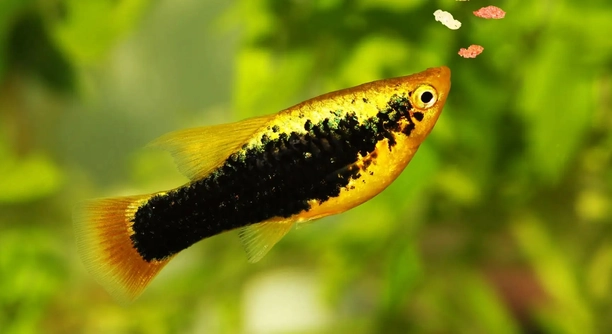
Platies are lively, colorful fish that many enjoy keeping in home aquariums. Observing their behavior can sometimes be confusing, especially when they seem to interact aggressively or playfully. Understanding these differences helps maintain a peaceful tank environment.
Platies show distinct signs when fighting or playing; fighting includes chasing with rapid movements, fin nipping, and aggressive postures, while playing involves gentle chasing, no damage, and relaxed body language. Recognizing these cues ensures proper care and intervention.
Knowing how to tell if your platies are fighting or playing is important for their health. This guide will help you understand their behavior clearly.
Signs That Platies Are Fighting
When platies fight, their behavior becomes noticeably tense. You will see rapid chasing where one fish aggressively pursues another. The fins often flare out, and biting or nipping at fins may occur. Fighting platies usually show stiff, rigid movements, and their colors can darken as a sign of stress or dominance. Sometimes, fights lead to injuries or torn fins, which need attention. It’s important to watch closely because prolonged aggression can harm the fish and disrupt the tank environment. Recognizing these signs early allows you to intervene before things escalate.
Aggressive chasing and fin damage are key indicators that platies are fighting in your tank.
To help reduce fighting, ensure there is enough space and hiding spots for each platy. Adding plants or decorations can create barriers that lessen direct confrontations. Also, consider the number of males versus females, as too many males can increase aggression. Maintaining good water quality and a balanced diet also helps reduce stress, which can trigger fights. Regular monitoring will keep your platies calmer and safer.
How to Identify Playful Behavior in Platies
Playful platies swim together calmly without causing harm.
Playful interactions involve gentle chasing without aggressive fin displays or damage. Fish appear relaxed, with smooth and flowing movements. Colors remain bright, and the overall atmosphere in the tank feels peaceful. Play often helps platies socialize and exercise without stress. Observing these behaviors can improve your understanding of their needs and promote a healthy environment. Ensuring enough space and enrichment supports these natural interactions. When you recognize play, it is a good sign that your platies feel comfortable and secure in their home.
Managing Aggression Among Platies
Reducing aggression begins with adjusting the tank setup. More hiding spots help fish avoid constant confrontation and lower stress levels.
Plants, decorations, and caves break sight lines between aggressive platies, preventing constant chasing. Overcrowding or an unbalanced male-to-female ratio can increase aggression, so maintaining proper numbers is important. Regular water changes and clean conditions keep fish healthy and less prone to stress-related fighting. Feeding the fish adequately reduces competition during mealtime, which can also lower aggressive behaviors.
If aggression persists, separating the most aggressive fish may be necessary. Observing their interactions daily helps catch problems early. Small changes in the environment often improve harmony among platies, making the tank a peaceful space for everyone.
Encouraging Playful Interaction in Platies
A calm and enriched tank encourages platies to play and socialize more naturally.
Providing enough space is crucial to letting platies swim freely without feeling threatened. Adding live plants and decorations offers stimulation and safe zones. Regular feeding routines help fish feel secure and energetic, promoting playful chasing rather than aggressive behavior. Keeping water parameters stable supports their well-being, which reflects in their behavior. When platies feel comfortable, playful interactions increase, helping reduce stress and boredom. A tank that supports natural behaviors improves the overall health and happiness of your platies.
Preventing Fighting in Platies
Adjusting tank conditions can greatly reduce fighting. Keeping the right number of males and females balances social dynamics. Providing plenty of space and hiding places helps fish avoid confrontations.
Regular monitoring of tank behavior ensures issues are caught early. Feeding fish on time reduces competition and stress, which lowers the chance of fights.
Understanding Tank Environment Impact
A crowded or poorly decorated tank increases stress and aggression among platies. Without enough space or hiding spots, fish feel threatened and more likely to fight. Clean, well-maintained water supports healthy behavior. Proper filtration and routine water changes keep toxins low and create a stable environment. Temperature and pH levels within ideal ranges help platies stay calm and active. A well-arranged tank encourages natural behaviors like playing instead of fighting, making it easier to care for your fish and enjoy a peaceful aquarium.
When to Separate Fighting Platies
Persistent fighting despite adjustments means separating aggressive fish is necessary.
FAQ
How can I tell if my platies are fighting or just playing?
Fighting platies chase aggressively, flare their fins, and may nip at each other, sometimes causing visible damage. Playing platies swim calmly together with gentle chasing and no signs of injury. Their movements are smooth, and their colors stay bright. Watching closely helps you spot these differences.
What causes platies to fight in the tank?
Platies fight mostly due to overcrowding, lack of hiding spots, or an unbalanced number of males and females. Stress from poor water quality or insufficient food can also trigger aggression. A cramped tank with few places to hide increases tension among fish.
Can adding more plants reduce fighting?
Yes. Plants and decorations create barriers and hiding spots that help break up aggressive behavior. When platies can escape or hide, they are less likely to chase each other constantly. This lowers stress and helps maintain peace in the tank.
Is it normal for male platies to be aggressive?
Male platies are naturally more territorial, especially when competing for females. Some level of chasing is normal, but it should not lead to injury or constant harassment. Too many males in a small tank can increase aggression, so balancing the gender ratio is important.
How many platies should be kept together?
A good rule is one male for every two or three females to reduce male competition. The tank size also matters—larger tanks allow more fish with less stress. Overcrowding always increases the risk of fighting and health problems.
What should I do if platies keep fighting despite changes?
If fighting persists, separate the aggressive fish to protect others. Check water quality and tank setup again. Sometimes, rehoming the most aggressive platies is necessary. Regular observation helps catch problems before they get worse.
How often should I check on my platies’ behavior?
Daily observation is ideal, even if only for a few minutes. This helps you spot early signs of aggression or illness. Early intervention keeps your fish healthier and happier.
Can diet affect platy behavior?
Yes. Poor nutrition or irregular feeding can cause stress and competition, leading to fights. Feeding a balanced diet regularly reduces stress and aggression. Provide high-quality flakes, pellets, and occasional live or frozen foods.
Are there signs of stress besides fighting?
Stress signs include faded colors, hiding more than usual, rapid breathing, and loss of appetite. Stress weakens their immune system, making them more vulnerable to disease and aggressive behavior. Maintaining good tank conditions is key.
How can I encourage more play and less fighting?
Provide plenty of space, hiding spots, and a balanced male-to-female ratio. Keep water clean and stable, and feed on a schedule. A peaceful tank environment encourages playful interactions rather than aggressive ones.
Can platies recover from fighting injuries?
Minor injuries often heal on their own with proper care, clean water, and a stress-free environment. Severe wounds might need treatment with aquarium-safe medications. Quarantining injured fish helps prevent infection and speeds recovery.
Is it okay to keep platies with other fish species?
Yes, platies are generally peaceful and can live with other non-aggressive species. However, avoid overly territorial or aggressive tank mates that may stress your platies. Compatibility helps reduce fighting and creates a balanced community tank.
How important is tank size for platy behavior?
Tank size greatly influences behavior. Small tanks limit space and increase stress, often causing fights. Larger tanks give fish room to swim, hide, and avoid conflicts. A minimum of 10 gallons is recommended for a small group, with more space for larger groups.
Do platies establish social hierarchies?
Yes. Platies may establish dominance, which can cause some chasing and displays. This is normal but should not be harmful. Providing enough space and hiding places helps keep hierarchies peaceful and reduces aggression.
What role does water temperature play in behavior?
Platies thrive in temperatures between 70°F and 78°F. Too high or low temperatures can stress them and increase aggression. Stable temperature helps keep their behavior calm and predictable.
How long does it take for platies to settle in a new tank?
It usually takes a few days to a week for platies to adjust. During this time, some chasing or minor aggression may occur as they establish territory. Providing hiding spots and a calm environment speeds up the settling process.
Final Thoughts
Platies are charming and lively fish that bring color and movement to any aquarium. Understanding their behavior is key to keeping them healthy and happy. Knowing how to tell if they are fighting or playing helps prevent stress and injury in the tank. Observing their body language, movement, and interactions allows you to recognize whether they are displaying aggression or simply engaging in playful activities. This awareness is essential for creating a peaceful environment where all fish can thrive.
Managing tank conditions plays a crucial role in reducing fighting among platies. Providing enough space, hiding spots, and maintaining a balanced male-to-female ratio can prevent many common causes of aggression. Clean, stable water and a good diet also support their well-being. When problems do arise, early intervention and adjustments to the tank setup can often resolve conflicts before they become serious. If fighting persists, separating the most aggressive fish or making other changes may be necessary to protect the group.
Encouraging natural, playful behaviors in platies contributes to their overall health. A well-maintained tank with plenty of enrichment allows platies to interact positively and reduce boredom. Watching your fish swim and play peacefully is a rewarding part of keeping an aquarium. With careful attention and care, your platies can live in harmony, showing their best colors and behaviors. Maintaining this balance ensures a healthy and enjoyable tank for both you and your fish.

Hello,
If you enjoy the content that we create, please consider saying a "Thank You!" by leaving a tip.
Every little bit helps us continue crafting quality advice that supports the health, happiness, and well-being of pets around the world, for pets of all shapes, sizes, and species.
We really appreciate the kindness and support that you show us!