
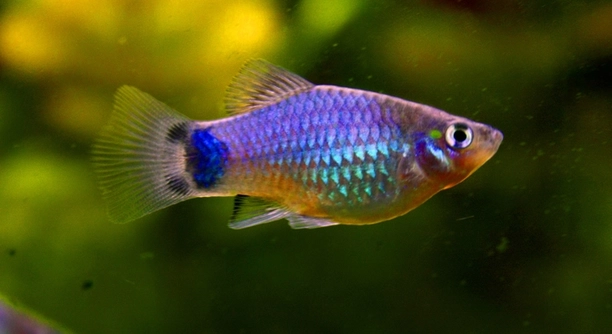
Platies are popular freshwater fish known for their vibrant colors and peaceful nature. Many aquarium keepers want to provide the best environment for these fish. Understanding their water preferences is key to keeping them healthy and happy.
Platies generally prefer calm to moderately flowing water rather than fast currents. Strong water flow can stress them, as their natural habitats include slow-moving streams and ponds. Maintaining gentle water movement supports their well-being and natural behavior.
Knowing how water flow affects platies will help improve their care. This article explains what kind of water conditions platies truly prefer for a balanced aquarium environment.
Natural Habitat of Platies
Platies are native to slow-moving waters in Central America, such as rivers, streams, and ponds. These environments usually have gentle currents or still water. The vegetation in these areas provides plenty of hiding spots, making the water calmer and safer for small fish like platies. Fast currents are uncommon in their natural habitat, so platies have not adapted to strong water flow. This means that when kept in an aquarium, they feel more comfortable in tanks with gentle water movement. Rapid water flow can cause them to expend extra energy swimming and may lead to stress or injury. Maintaining water conditions that mimic their natural habitat helps keep platies healthy and active. It also supports their breeding behavior and overall longevity. Proper tank setup with plants and decorations can reduce water movement and create a peaceful environment.
Water flow mimicking their natural habitat promotes platies’ health and reduces stress.
Understanding their origins allows aquarium owners to create ideal living conditions that support platies’ natural behavior and well-being.
Effects of Fast Water on Platies
Fast water flow can overwhelm platies, making it difficult for them to swim properly. In a strong current, they may struggle to maintain position and become tired quickly. This can lead to reduced feeding since they have less energy to compete for food. Stress caused by fast water may weaken their immune system, making them more prone to disease. Additionally, continuous exposure to strong currents may cause physical damage, such as torn fins. Platies thrive best in aquariums with gentle filtration systems that create a soft water flow. Adding plants or decorations near filters can help break up water movement, providing calm zones for platies to rest. Ensuring appropriate water flow enhances their comfort and encourages natural behaviors like exploring and socializing.
Managing water flow properly is essential to maintain healthy and stress-free platies in home aquariums.
Adjusting Aquarium Conditions for Platies
Platies need gentle water flow to feel comfortable. Strong currents can be harmful and stressful for them. Using the right filter and tank setup helps create the ideal environment.
Choosing a filter with adjustable flow settings is important. Sponge filters or gentle power filters work well for platies because they create mild water movement. Positioning the filter output towards a tank corner or behind decorations can reduce strong currents. Adding live plants and driftwood also helps break water flow, providing calm spots for platies to rest. Monitoring water movement regularly ensures the flow remains gentle and stable. Too much flow can cause ongoing stress, affecting their health.
Balancing water flow with tank size and stocking density is essential. Smaller tanks may need lower flow settings to prevent turbulence, while larger tanks can support moderate circulation. Adjustments should be gradual to avoid shocking the fish. Observing platies’ behavior can help identify if the current is too strong—if they consistently swim against it or hide, the flow should be reduced. These careful adjustments help keep platies healthy and happy.
Signs Your Platies Are Uncomfortable with Water Flow
Platies showing signs of stress from fast water often behave differently. They may hide more or stay near the tank bottom. Some swim erratically or avoid the filter output.
If platies are constantly fighting the current or seem lethargic, it is a clear sign the water flow is too strong. You might notice torn fins or damaged scales from being pushed against tank surfaces. Changes in appetite or increased hiding can also indicate discomfort. Healthy platies will swim actively without struggling against water movement. Regular observation is key to identifying these signs early. Taking quick action by adjusting water flow can prevent long-term stress or health issues.
Maintaining a calm environment supports platies’ natural behavior and helps them thrive. Keeping the water flow gentle allows them to explore the tank freely and socialize, promoting overall well-being.
Best Tank Setup for Platies
A tank with gentle water flow suits platies best. Using plants and decorations can help reduce strong currents and create calm zones. Position the filter output carefully to avoid direct fast water flow.
Placing driftwood, rocks, or dense plants near the filter can break the current. This setup mimics their natural habitat and offers hiding places, making platies feel secure and less stressed.
Ideal Water Parameters for Platies
Maintaining stable water parameters is crucial. Platies prefer a temperature range of 72–78°F, a pH between 6.8 and 8.0, and moderate hardness. These conditions help support their overall health and activity in the aquarium.
Common Mistakes in Platy Care
Too strong water flow is a frequent issue. Overcrowding the tank and poor water quality also affect platies negatively. Ensuring proper flow and clean water helps prevent these problems.
FAQ
Do platies like fast water?
Platies do not prefer fast water. They are native to slow-moving streams and ponds, so strong currents can stress them. In aquariums, gentle water flow is best to keep them comfortable and healthy. Fast water makes it hard for them to swim and can tire them out quickly.
What kind of filter is best for platies?
Filters that create gentle water movement are ideal for platies. Sponge filters and gentle power filters work well because they produce soft currents. Avoid filters with strong flow or direct output that causes turbulence. Placing the filter outlet near plants or decorations can help diffuse the water movement.
How can I reduce water flow in my aquarium?
You can reduce water flow by adjusting the filter’s flow settings if available. If not, redirect the filter output towards a tank corner or behind plants and decorations. Adding dense plants or driftwood near the filter also helps break up the current and create calm areas for platies.
What are signs that platies are stressed by water flow?
Signs include hiding more than usual, swimming erratically, or staying near the bottom. Platies may also struggle to swim against the current or avoid areas near the filter output. Physical signs like torn fins or damaged scales can result from constant exposure to strong water movement.
Can platies live in a tank with other fish that prefer fast water?
It depends on the species. Platies prefer gentle water flow, so housing them with fish that need strong currents can create stress. It is better to choose tank mates with similar water flow preferences to keep all fish comfortable and reduce stress-related health problems.
Does water flow affect platy breeding?
Yes, water flow can impact breeding. Platies usually spawn in calm or gently flowing water where fry can hide. Strong currents can wash away eggs or fry, lowering breeding success. Providing a peaceful environment with plants and decorations supports successful breeding.
How often should I check water flow in my platy tank?
Regular observation is important. Check water flow weekly or after cleaning and maintenance. Watch how platies behave—if they seem stressed or avoid certain areas, the flow may be too strong. Adjust the filter or decorations as needed to maintain a gentle current.
Is a bubbler or air stone helpful for platies?
Bubblers and air stones increase oxygen levels but also create water movement. Use them carefully to avoid creating strong currents. Positioning the air stone in a corner or behind plants can reduce direct flow. This way, you can improve oxygen without stressing your platies.
Can platies adapt to stronger currents over time?
Platies are not naturally built for strong currents, so they generally do not adapt well. Long-term exposure to fast water can lead to chronic stress and health problems. It’s best to provide a consistent, gentle flow environment rather than trying to force adaptation.
What else besides water flow affects platy health?
Water quality, temperature, diet, and tank size also play major roles. Clean water with stable parameters, a balanced diet, and enough space are essential. Proper care combined with gentle water flow ensures platies live healthy, active lives in home aquariums.
Platies are peaceful and colorful fish that thrive best in gentle water conditions. Their natural environment consists of slow-moving streams and ponds, so replicating this calm setting in the aquarium is important. Fast or strong water currents can stress them and affect their health negatively. By providing soft water flow, aquarium owners help platies swim comfortably, eat well, and exhibit natural behaviors. This simple adjustment creates a more balanced and stable tank environment that benefits not only platies but other peaceful fish as well.
Creating the right water flow is only one part of good platy care. Alongside managing water currents, maintaining proper water quality, temperature, and a balanced diet is essential. Regular tank maintenance, including water changes and filter cleaning, supports healthy living conditions. Providing hiding spots with plants and decorations also reduces stress and encourages natural behavior. Watching platies closely for signs of discomfort or illness allows early intervention, improving their overall well-being. These small but consistent efforts help platies live longer, happier lives in captivity.
Understanding platies’ preference for gentle water flow can improve aquarium success significantly. It reduces stress and prevents health problems that come from swimming against strong currents. Adjusting filtration and tank setup to create calm water areas should be a priority for anyone keeping platies. This approach respects their natural needs and promotes a peaceful aquarium atmosphere. Paying attention to these details makes a meaningful difference in keeping platies active and healthy, turning an ordinary tank into a thriving aquatic environment.

Hello,
If you enjoy the content that we create, please consider saying a "Thank You!" by leaving a tip.
Every little bit helps us continue crafting quality advice that supports the health, happiness, and well-being of pets around the world, for pets of all shapes, sizes, and species.
We really appreciate the kindness and support that you show us!