
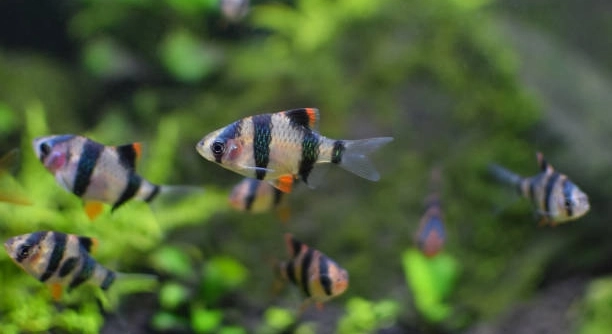
Are your tiger barbs acting strangely under certain lighting conditions, leaving you unsure about how their tank should be set up?
Tiger barbs are sensitive to lighting, and improper exposure can cause stress, reduced activity, and dull coloration. Balanced lighting helps maintain their health, supports natural behaviors, and ensures they remain active and visually vibrant in their environment.
Lighting influences more than appearance—it affects mood, health, and overall behavior. Understanding how your tiger barbs respond can lead to a more stable and comfortable tank.
How Lighting Affects Tiger Barbs
Lighting directly impacts the behavior and well-being of tiger barbs. These fish are naturally active during the day and prefer a steady light cycle that mimics daylight. Bright or erratic lighting can stress them out, leading to aggressive behavior or hiding. In tanks with harsh lighting, tiger barbs may lose their color and become less social. On the other hand, lighting that’s too dim can make them sluggish and dull. Consistency is key—aim for about 8 to 10 hours of light each day. Use timers to keep the cycle predictable. Tank lighting should also complement live plants, if any, without overwhelming the fish. LED lights with adjustable settings can be helpful. Keep the tank away from direct sunlight to avoid sudden brightness and algae growth. A calm environment makes it easier for your tiger barbs to stay active and healthy, and a proper light schedule supports a more natural daily rhythm.
Bright light can make your tiger barbs uneasy. A consistent, gentle setup helps them stay calm and active throughout the day.
Over time, you may notice their behavior change depending on how the tank is lit. If the lighting is too strong, they may become aggressive toward tankmates or start hiding more than usual. Some tiger barbs react by swimming frantically, which can be mistaken for playfulness but often signals discomfort. On the other hand, dim light might cause them to rest more and lose their usual spark. If you add live plants, make sure to choose lighting that supports plant growth while still keeping fish comfort in mind. Avoid sudden lighting changes—switching lights on and off too quickly can startle them. Try easing into daytime lighting with a short low-light phase before full brightness. Watching how your fish react to the lighting can guide you in creating the best environment for them.
Choosing the Right Setup
Not all aquarium lights are suitable for tiger barbs. Choosing the right setup makes a big difference in their comfort and overall health.
Look for adjustable LED lights with color temperatures between 6500K and 7500K, as this range closely matches natural daylight and is gentle on their eyes. Full-spectrum lights are ideal because they support both fish and plants without being too intense. Avoid lights designed for coral reef tanks—they are usually too bright for freshwater fish. When choosing a light fixture, make sure it spreads evenly across the tank to avoid harsh spots and shadows. Consider adding floating plants to soften the light naturally. These plants help reduce glare and provide shaded areas where tiger barbs can rest if needed. Keeping the lighting on a timer ensures consistency, which supports healthy behavior and sleep cycles. Always monitor how your tiger barbs respond to the lighting you choose. If you notice stress or behavior changes, it’s worth adjusting the brightness or duration until they appear relaxed and active again. Proper lighting keeps their colors vibrant and their behavior balanced, especially when paired with a stable tank environment.
Common Signs of Lighting Stress
Tiger barbs often show stress through changes in color, activity, or aggression. If the lighting is too bright or inconsistent, they may hide more, swim erratically, or lose their bold stripes and vibrant orange fins.
Bright lights can cause tiger barbs to become skittish, especially in tanks without cover. You might notice them darting quickly across the tank or staying in corners. They may also chase other fish more aggressively or nip at fins. These behaviors often improve when lighting is adjusted to a gentler, consistent setting. If the tank is too dark, tiger barbs might stop schooling actively and stay near the bottom, moving less than usual. Monitoring these small behavior changes helps you catch problems early. Keep a routine and observe how your fish act at different times of day. Their daily behavior can offer clues about whether lighting is working well or causing stress.
A noticeable loss of color is another clear sign. When stressed by poor lighting, tiger barbs often lose their rich orange accents and strong black stripes. Their bodies may look dull or pale, even if water conditions are stable. They may also stop eating or swim in tight circles. If these changes appear, consider reducing the brightness or length of the light cycle. Add floating plants to give them shaded spots, or switch to softer lighting. Watch for improvement over a few days. Small changes can make a big difference in their comfort. A relaxed, well-lit tank helps your tiger barbs thrive and behave more naturally.
Light Duration and Tank Setup
Tiger barbs do best with 8 to 10 hours of consistent light each day. More than that can stress them, while too little can affect their behavior and health. Use timers to create a steady daily rhythm.
It’s helpful to use a timer so that the lighting cycle remains consistent even when you’re away. This supports your tiger barbs’ natural patterns and helps prevent erratic behavior. Lighting should turn on and off at the same time each day to mimic sunrise and sunset. Avoid placing the tank near windows to reduce glare and limit sudden light changes caused by natural sunlight. Adding floating plants like hornwort or duckweed can help soften overhead lighting and create shaded spots. These features offer the fish a more natural environment, helping them feel secure and active. Keep the tank well-balanced with both open swimming space and areas of shade. A thoughtful setup combined with gentle lighting keeps tiger barbs healthy, social, and stress-free.
Adjusting Lighting for Comfort
If your tiger barbs seem uneasy, lower the brightness gradually and watch how they react. Small changes often improve behavior and restore natural coloring.
You can also reduce stress by breaking up the lighting with floating plants or decor. These create shade and help your fish feel more secure.
Nighttime Lighting Considerations
Tiger barbs do not need light at night. Keeping the tank dark for 12 to 14 hours supports healthy rest and reduces stress. Avoid using blue or moonlight LEDs overnight, as they can disturb the fish’s natural sleep cycle. Total darkness helps them recover from daily activity and stay healthy overall.
Signs Lighting Is Working Well
When lighting is balanced, your tiger barbs will swim actively, display bright colors, and school together. Calm behavior, consistent eating, and healthy interaction with tankmates all suggest the lighting setup is supporting their well-being.
How much light do tiger barbs need each day?
Tiger barbs generally thrive with about 8 to 10 hours of light daily. This amount supports their natural activity without causing stress. Using a timer helps maintain a consistent light cycle, which keeps their behavior stable. Too much light can make them nervous, while too little may reduce their activity and dull their colors.
Can too much light harm tiger barbs?
Yes, excessive lighting can cause stress in tiger barbs. When exposed to bright or prolonged light, they may become aggressive, hide more, or lose their vibrant colors. Stress from too much light can also weaken their immune system, making them more prone to illness. Adjusting the light duration and intensity can prevent these problems.
What type of lighting is best for tiger barbs?
Full-spectrum LED lights with a color temperature around 6500K to 7500K are ideal. These lights closely mimic natural daylight and are gentle on the fish’s eyes. Avoid overly intense or specialized reef lights, which can be too bright and stressful. Adjustable LEDs give flexibility to fine-tune brightness according to the tank setup and fish behavior.
Should I use a night light for tiger barbs?
It is best to keep the tank dark at night. Tiger barbs need 12 to 14 hours of darkness to rest properly. Some aquarium owners use blue or moonlight LEDs overnight, but these can interfere with the fish’s sleep cycle. Total darkness supports their natural rhythms and helps reduce stress.
How do I know if the lighting is too bright or too dim?
Signs of too much light include frantic swimming, hiding, aggression, and fading colors. If the light is too dim, tiger barbs may become inactive, lose their bright colors, or stop schooling. Watching their behavior closely will help you decide if adjustments are needed. A comfortable fish is active, shows vibrant colors, and interacts normally.
Can lighting affect tank plants with tiger barbs?
Yes, lighting for tiger barbs should also support live plants if you have them. Full-spectrum LED lights help plants grow while remaining comfortable for the fish. Avoid very bright lights meant for coral tanks, which can stress fish but might encourage algae growth. Balancing light for both plants and fish creates a healthier environment.
Is natural sunlight good for tiger barbs?
Direct sunlight is not recommended. It can cause rapid temperature changes, excessive algae growth, and sudden bright flashes that stress the fish. It’s better to place the tank away from windows or use curtains to control natural light exposure. Controlled artificial lighting provides a safer, more stable environment.
How do floating plants help with lighting?
Floating plants soften tank lighting by creating shaded areas where tiger barbs can rest if the light feels too strong. They break up harsh overhead light and reduce glare, making the tank feel more natural. Plants also improve water quality and add hiding spots, which lowers stress for your fish.
Can lighting changes affect tiger barb health?
Yes, improper lighting can contribute to stress-related illnesses. Stress weakens the immune system and can lead to infections or fin rot. Keeping a steady light schedule and comfortable brightness supports overall health and reduces the risk of disease.
How quickly should I adjust lighting if it’s too bright?
Lower the brightness gradually over several days rather than making sudden changes. Rapid shifts in lighting can startle tiger barbs and cause additional stress. Monitor their behavior as you adjust and aim for a level where they appear calm, active, and show vibrant colors consistently.
Lighting plays an important role in keeping tiger barbs healthy and comfortable in their tank. These fish are sensitive to how much and what kind of light they get each day. Proper lighting helps them stay active, maintain bright colors, and behave naturally. On the other hand, too much or too little light can cause stress, which may lead to changes in behavior and even health problems. Keeping a consistent light schedule, using gentle full-spectrum lighting, and providing shaded areas with plants or decorations can create a balanced environment that supports their well-being.
It is important to watch your tiger barbs closely for signs that the lighting may need adjustment. Stress caused by lighting often shows through hiding, aggression, or dull coloring. If you notice these signs, try lowering the brightness slowly or shortening the daily light duration. Avoid placing the tank where it receives direct sunlight, as this can cause sudden bright flashes and temperature changes that disturb the fish. Using a timer for your aquarium lights ensures a steady routine that mimics natural day and night cycles, helping tiger barbs feel more secure and less stressed.
In the end, lighting is just one part of a well-maintained aquarium, but it is a crucial factor in creating a healthy space for tiger barbs. When combined with proper water quality, diet, and tank setup, the right lighting encourages natural behavior and bright colors, improving the overall experience of keeping these fish. Paying attention to your tiger barbs’ responses and making thoughtful adjustments will help you provide a comfortable and thriving home for them. This simple step makes a big difference in their happiness and long-term health.

Hello,
If you enjoy the content that we create, please consider saying a "Thank You!" by leaving a tip.
Every little bit helps us continue crafting quality advice that supports the health, happiness, and well-being of pets around the world, for pets of all shapes, sizes, and species.
We really appreciate the kindness and support that you show us!