
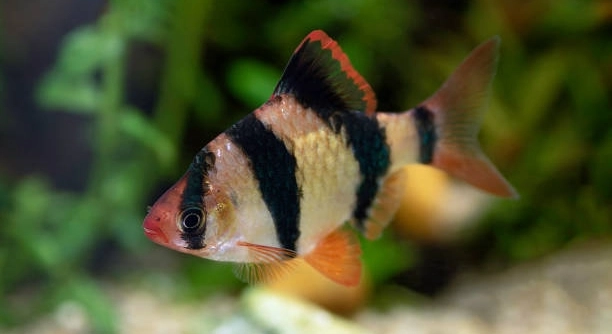
Keeping a community tank with barbs can be rewarding but also challenging. These active fish have specific needs and behaviors that must be considered to maintain a healthy environment. Avoiding common mistakes can help your barbs thrive and coexist peacefully.
There are key things to avoid in a barb community tank, such as overcrowding, incompatible tank mates, poor water quality, lack of hiding spots, inappropriate feeding, neglecting regular maintenance, and insufficient tank size. These factors directly impact the health and behavior of barbs.
Understanding these pitfalls will improve your tank’s balance and your barbs’ well-being. The following points explain what to watch for and how to prevent problems before they start.
Overcrowding and Its Effects on Barbs
Overcrowding is a common problem in barb community tanks. When too many fish are placed in a small space, water quality deteriorates quickly, leading to stress and illness. Barbs are active swimmers and need enough room to move freely. Crowded conditions can also increase aggression and competition for food, making it harder for weaker fish to survive. Proper stocking levels depend on the tank size and species. For barbs, a general rule is one inch of fish per gallon of water. Avoid overestimating your tank’s capacity to prevent these issues. Regular monitoring of fish behavior and water parameters helps maintain a healthy environment. Keeping the population balanced supports natural social behaviors and reduces conflicts. Overcrowding also causes rapid buildup of waste, which affects water chemistry and oxygen levels. A well-planned tank setup with enough swimming space and hiding spots improves the overall health and longevity of barbs in the community tank.
Overcrowding leads to stress, aggression, and poor water quality, all of which harm barb health and behavior. Proper stocking is essential.
Barbs thrive when given adequate space and stable water conditions. Avoid overcrowding by researching species’ adult sizes and tank requirements before adding fish. Provide ample hiding places to reduce stress, especially in community setups. Regular water changes and filtration will help manage waste buildup caused by higher fish densities. Maintaining a balanced population allows barbs to show natural behaviors and reduces chances of disease outbreaks. Paying close attention to the number of inhabitants will prevent many common problems associated with cramped tanks.
Incompatible Tank Mates
Introducing incompatible species to a barb community tank can cause stress and aggression. Some fish may nip at barb fins or outcompete them for food, disturbing the tank’s balance. Barbs are generally peaceful but active, so tank mates should be chosen carefully. Avoid slow-moving or long-finned fish, as barbs tend to nip fins. Species with similar size and temperament usually coexist better. Compatibility also depends on water parameter needs, such as temperature and pH. Mismatched conditions can weaken fish and lead to health problems. Researching each species’ habits before combining them will help ensure a harmonious environment. Providing enough space and hiding spots reduces territorial disputes and allows all fish to find refuge. Choosing compatible species contributes to a stable and healthy community tank where barbs can thrive without unnecessary stress or injury.
Poor Water Quality
Poor water quality can quickly harm barbs and other tank inhabitants. High ammonia, nitrite, or nitrate levels stress fish and make them vulnerable to disease.
Maintaining good water quality means regular testing and consistent water changes. Ammonia and nitrite should always be at zero, while nitrates should stay below 20 ppm. Using a reliable filtration system and avoiding overfeeding help keep the tank clean. Uneaten food and waste break down, releasing harmful substances. Barbs are sensitive to sudden changes in water chemistry, so gradual adjustments are best. Keeping parameters stable supports healthy gill function, immune response, and overall vitality.
Neglecting water quality leads to lethargy, loss of appetite, and increased infections. A well-maintained tank reduces stress and promotes long-term health. Monitoring water regularly helps catch problems early, preventing serious damage. Ensuring clean water is one of the simplest yet most effective steps in barb care.
Lack of Hiding Spots
Barbs need places to retreat when feeling stressed or threatened. Without adequate hiding spots, fish may become anxious and more aggressive.
Providing plants, rocks, or decorations creates natural shelters and reduces visible space, which lowers territorial disputes. Barbs appreciate both open swimming areas and cozy hideaways. Hiding spots also help shy or weaker fish escape from more dominant tank mates. A varied layout with multiple refuges improves social dynamics. Live plants can further enhance water quality and mimic a natural environment, benefiting the entire community.
A tank without sufficient cover can increase stress levels, leading to poor health and heightened conflict. Ensuring your tank includes plenty of hiding places supports peaceful coexistence and helps barbs feel secure in their surroundings. This simple addition makes a noticeable difference in overall tank harmony.
Inappropriate Feeding
Overfeeding barbs can cause poor water quality and health problems. Uneaten food decays, increasing toxins in the tank.
Feeding too little can also harm barbs, leading to malnutrition and weakened immune systems. A balanced feeding routine is key to their well-being.
Neglecting Regular Maintenance
Regular tank maintenance is essential to keep barbs healthy. Cleaning the substrate, changing water, and checking equipment prevent waste buildup and maintain stable conditions. Skipping these tasks increases stress and risk of disease. A consistent schedule helps avoid sudden changes that can shock fish and keeps the tank environment optimal for all inhabitants.
Insufficient Tank Size
Barbs require enough space to swim and grow properly. A small tank limits movement and causes stress. Providing a tank large enough for the adult size of all fish supports natural behaviors and reduces aggression. Proper tank size is a basic but critical factor in successful barb care.
FAQ
What is the ideal tank size for barbs in a community tank?
Barbs are active swimmers and need plenty of space. A minimum of 20 gallons is recommended for a small group of barbs. Larger tanks are better for bigger groups, allowing enough room to reduce stress and aggression. Overcrowding often leads to health problems and fighting.
How often should I clean my barb community tank?
Regular cleaning is important. Partial water changes of 20-30% every one to two weeks help maintain water quality. Cleaning the substrate and removing uneaten food prevent waste buildup. Avoid cleaning everything at once to preserve beneficial bacteria.
Can barbs live with other fish species?
Yes, but tank mates should have similar size and temperament. Avoid slow-moving or long-finned fish that barbs may nip. Good companions include other active, peaceful fish like danios or certain tetras. Always research compatibility before adding new fish.
What kind of diet do barbs need?
Barbs are omnivores and need a varied diet. High-quality flakes or pellets supplemented with live or frozen foods like brine shrimp or bloodworms work well. Feeding small amounts two to three times a day prevents overfeeding and keeps water clean.
How can I prevent fin nipping in my barb tank?
Fin nipping often happens due to stress, overcrowding, or incompatible tank mates. Providing enough space, hiding spots, and choosing suitable companions reduces aggression. Feeding a balanced diet and maintaining good water quality also help minimize this behavior.
What are common signs of illness in barbs?
Watch for lethargy, loss of appetite, clamped fins, discoloration, or abnormal swimming. Rapid breathing or visible spots may indicate infections. Early detection and proper treatment improve recovery chances.
How important is water temperature for barbs?
Barbs thrive in temperatures between 72°F and 78°F (22°C to 26°C). Sudden fluctuations can stress fish, so keep temperature stable using a reliable heater and thermometer. Proper temperature supports metabolism and immune function.
Can I keep barbs in a planted tank?
Yes, barbs do well in planted tanks. Plants provide hiding spots and help improve water quality. Hardy plants like Java fern, Anubias, or Amazon sword work well because barbs can be moderately active and sometimes nibble on soft plants.
How do I cycle a tank before adding barbs?
Cycling establishes beneficial bacteria that break down waste products. It usually takes 4 to 6 weeks and involves monitoring ammonia, nitrite, and nitrate levels. Only add fish after ammonia and nitrite are at zero and nitrates are low.
What should I do if aggression occurs among barbs?
Check for overcrowding or lack of hiding spots first. Increase tank size or rearrange decorations to disrupt territories. Removing aggressive individuals may be necessary in some cases. Regular observation helps catch and address problems early.
Final Thoughts
Maintaining a barb community tank requires attention to several important factors. Avoiding overcrowding is essential because barbs need space to swim and feel comfortable. Too many fish in one tank cause stress and increase the chance of illness. It is important to choose tank mates carefully to prevent aggression and fin nipping. Barbs do best with other active, similar-sized fish that can handle their energetic nature. Ensuring the tank has enough hiding spots helps reduce tension among the fish. Plants, rocks, and decorations provide safe places for barbs to retreat when they feel threatened. These simple steps create a balanced environment where barbs can live peacefully.
Water quality plays a crucial role in the health of barbs. Regular maintenance, such as water changes and cleaning, is necessary to keep the tank stable and free of harmful substances. Barbs are sensitive to sudden changes in their water conditions, so it is important to monitor parameters like ammonia, nitrite, and nitrate levels closely. Feeding should be done carefully to avoid overfeeding, which can pollute the tank and harm the fish. A balanced diet with varied food sources supports their growth and immune system. Taking these precautions prevents many common problems that could affect the well-being of barbs in a community tank.
By paying attention to these details, barb keepers can enjoy a thriving tank with healthy and active fish. Planning ahead and understanding the needs of barbs make a big difference in their long-term care. Small mistakes, such as neglecting water quality or adding incompatible tank mates, often lead to stress and disease. However, with consistent effort and proper setup, barbs will display their vibrant colors and natural behavior. Keeping a barb community tank can be rewarding when the right conditions are met, ensuring the fish remain happy and lively for years to come.

Hello,
If you enjoy the content that we create, please consider saying a "Thank You!" by leaving a tip.
Every little bit helps us continue crafting quality advice that supports the health, happiness, and well-being of pets around the world, for pets of all shapes, sizes, and species.
We really appreciate the kindness and support that you show us!