
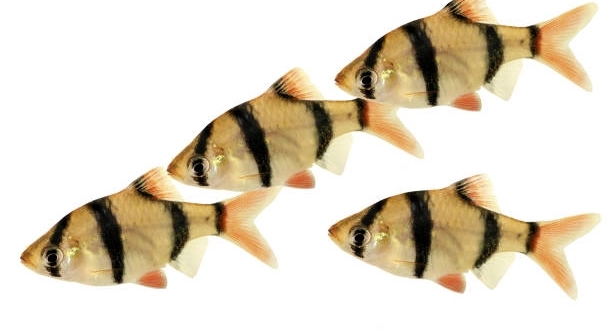
Do you ever find yourself observing your tiger barbs and wondering if their behaviors reflect more than just instinctual patterns? Their quick movements and social nature can often seem expressive, almost hinting at deeper emotional responses.
Tiger barbs are capable of displaying mood-like behaviors, such as aggression or calmness, which are influenced by environmental changes, social dynamics, and health. While not emotions in a human sense, these responses reflect basic affective states.
Understanding how tiger barbs react to their surroundings can help you create a more supportive and enriching environment for your fish.
Recognizing Mood-Driven Behavior in Tiger Barbs
Tiger barbs are active, social fish known for their curious and bold personalities. When they’re in a good state, they swim in groups, chase each other playfully, and display vibrant colors. But when something’s off, you might notice erratic swimming, hiding, or fading colors. These behavior shifts are not random. Changes in tank environment, water quality, or social stress can influence their mood. Aggression, in particular, often increases if they’re overcrowded or poorly matched with tank mates. Watching how they interact with one another can help you understand what they’re feeling and whether something needs adjusting.
Color changes, twitchy swimming, or sudden stillness can indicate discomfort or stress.
A stable environment with consistent lighting, clean water, and minimal noise supports balanced behavior. Healthy tiger barbs are more peaceful, active, and display synchronized group swimming. Adding plants and creating hiding spaces also helps reduce anxiety and encourages more natural behavior in the tank.
What Influences Their Mood?
Poor water conditions or a lack of social balance can affect how your tiger barbs behave.
Tiger barbs thrive in structured, clean tanks with plenty of swimming space. Water temperature, pH levels, and ammonia buildup play a major role in their comfort. Regular tank maintenance, weekly partial water changes, and a good filtration system help keep stress low. These fish also need a group of at least six to feel secure. When kept in smaller groups, they become aggressive or withdrawn. Bright, sudden lighting or a chaotic feeding schedule can lead to agitation, while a calm routine supports better group interaction. Choosing the right tank mates is also key—peaceful, fast-moving fish help avoid unnecessary conflict. Offering a consistent feeding schedule with high-quality food ensures their nutritional needs are met, which also plays a role in mood regulation. All of these factors work together to help your tiger barbs stay vibrant, social, and relaxed in their environment.
How Stress Affects Their Behavior
Stress in tiger barbs shows up through changes like fin nipping, hiding, or hyperactivity. It’s often triggered by poor tank conditions, sudden changes, or an imbalance in social dynamics. These behaviors usually signal discomfort and need quick attention to avoid long-term health issues.
A stressed tiger barb might swim erratically, lose its color, or separate from the group. These are signs that something is off in their environment. Noise, temperature swings, or overstocking can lead to these responses. If left unaddressed, chronic stress weakens their immune system, making them more vulnerable to illness. Adding tank plants or shaded areas can help reduce stress, along with routine feeding and cleaning schedules. Tiger barbs rely on consistency. When their space is kept calm and stable, their behavior becomes more predictable and peaceful. Observing them closely helps spot issues early, keeping stress levels low and overall health more manageable.
Even small environmental stressors can build up over time. Unnoticed problems like slightly off pH levels or too much uneaten food can slowly impact their mood and behavior. If they’re constantly chased by tank mates or don’t have enough space to swim freely, tension rises. This results in more aggressive outbursts or isolation. Creating a peaceful space with enough room, hiding spots, and balanced social groups makes a clear difference. Providing the right lighting, water flow, and tank layout helps mimic their natural conditions, allowing them to feel more secure. When tiger barbs are comfortable, their active, playful side returns—and that’s the clearest sign they’re doing well.
Can They Show Affection?
Tiger barbs don’t show affection the way dogs or cats do, but they do form social bonds. Their interactions can reflect comfort, familiarity, or trust, especially when they consistently swim together without aggression or stress.
While they don’t cuddle or seek attention, tiger barbs do form structured social groups. Within these groups, you’ll notice a clear pecking order, but also signs of familiarity. They often follow each other, mirror swimming patterns, and avoid conflict with those they are used to. These behaviors show a basic form of bonding. If a new fish is added, their behavior often shifts temporarily as they readjust the group dynamic. A settled group will swim more harmoniously, with less nipping and fewer outbursts. Watching them interact peacefully can feel like they’re showing calm, comfortable companionship in their own way. While it’s not affection as humans know it, their behavior does show social awareness and stability.
Signs Your Tiger Barb Feels Safe
When tiger barbs feel safe, they swim actively in groups and explore the tank. Their colors stay vibrant, and they rarely hide. Peaceful group behavior and regular feeding are strong signs that their environment feels stable and comfortable.
Safe tiger barbs often hover in open spaces, not just corners or hiding spots. They interact without aggression, respond calmly to your presence, and eat regularly. These are clear signs they’re not feeling threatened or anxious.
How to Encourage Positive Behavior
To support positive behavior, maintain a clean tank, steady water parameters, and provide enough space. Keep them in groups of six or more to prevent aggression. Use plants, hiding spaces, and soft lighting to help them feel more at ease. Feed them consistently and avoid sudden tank changes. Keeping their surroundings calm encourages stable behavior. Adding compatible tank mates also helps reduce stress. When everything in the tank works well together, tiger barbs feel safer and act more naturally.
Mood and Feeding Patterns
Mood shifts can affect how tiger barbs eat. Stress may cause them to skip meals or act frantic during feeding, while a calm fish will eat steadily. Watching their eating habits can help spot early signs of trouble.
FAQ
Can tiger barbs get depressed?
Tiger barbs don’t experience depression in the human sense, but they can become withdrawn or inactive due to stress or poor conditions. If you notice them hiding, refusing food, or swimming alone, it may be a response to loneliness, poor water quality, or an unsafe environment. These behaviors usually improve once their surroundings are corrected. Keep a consistent routine, monitor water parameters closely, and make sure they have an active social group. When they feel secure, their energy and group interactions often return to normal.
Do tiger barbs recognize their owners?
Tiger barbs can learn to associate movement near the tank or feeding routines with people. While they don’t “recognize” owners in a personal way, they may swim toward the glass when they see someone approaching, especially around feeding time. This reaction is more about food anticipation than true recognition. Over time, some tiger barbs may respond more calmly and actively when familiar people are nearby. It’s not emotional recognition, but rather learned behavior from repeated positive interactions.
Can tiger barbs feel happiness?
Happiness in fish isn’t the same as it is in humans, but tiger barbs do show signs of contentment through active swimming, vibrant color, and calm schooling. When they’re healthy, well-fed, and comfortable in their tank, they display more natural and energetic behavior. This kind of contentment reflects basic positive emotional states. While it’s not the same as human joy, it’s a sign they are thriving in their environment. Watching them swim in sync, interact peacefully, and explore the tank is a good sign they’re doing well.
Why do tiger barbs chase each other?
Chasing is a normal part of tiger barb behavior, especially in groups. It helps establish social rank and is common during feeding or territorial disputes. However, if the chasing becomes constant or aggressive, it could be due to overcrowding or an imbalance in the group. Keeping at least six tiger barbs in a tank helps reduce bullying, as it spreads out aggressive tendencies. Make sure the tank is large enough and provides hiding places to ease tension during social interactions.
Do tiger barbs show jealousy?
Jealousy is a complex emotion tied to self-awareness, which fish don’t have. However, tiger barbs may show competitive behavior, especially during feeding. If one fish is consistently chasing others away from food or a favorite spot, it’s acting on instinct rather than jealousy. These actions help secure resources, not emotional attention. To reduce competition, feed in multiple spots and ensure all fish have access to food. Group balance also helps minimize this behavior, especially in smaller tanks.
Can their behavior change with age?
Yes, tiger barb behavior can shift over time. Younger barbs tend to be more energetic and aggressive, while older ones may become calmer and less dominant in the group. As they age, you might notice a slight reduction in activity or social interaction. This is normal and usually not a sign of poor health if they are still eating well and showing stable behavior. Keeping an eye on energy levels, appetite, and interaction can help you understand how your fish are adjusting as they grow.
Do they respond to music or sound?
Tiger barbs can sense vibrations in the water, so loud music or sharp noises may startle them. While they don’t “hear” music like humans, sudden or constant noise can create stress. Quiet, low-frequency sounds are less likely to bother them, but it’s best to keep their tank in a calm, low-noise area. This helps support their natural behavior and reduces unnecessary stress. Avoid placing their tank near speakers or areas with frequent loud disturbances.
Can mood changes mean illness?
Yes, sudden changes in behavior—like hiding, darting, or loss of appetite—can signal illness or discomfort. These signs often show up before visible symptoms like spots or bloating. It’s important to test the water, observe feeding, and check for physical signs regularly. Isolating the affected fish and improving tank conditions can sometimes resolve the issue early. If problems persist, further treatment may be needed. Paying close attention to their mood and activity is an easy way to catch health concerns before they get worse.
Final Thoughts
Tiger barbs are small, active fish with complex behavior. While they don’t feel emotions exactly like humans, they do respond clearly to changes in their surroundings. Their behavior shifts depending on how safe, calm, or stressed they feel. This makes it possible to understand their emotional state by simply watching how they act. Vibrant color, calm swimming, and active group behavior show that they’re comfortable. On the other hand, hiding, dull color, or aggression usually means something in the tank is off. These signs are important and should never be ignored, especially if they continue over time.
Keeping your tiger barbs happy and healthy means creating the right tank environment. They need clean water, a steady routine, enough space, and a group of other barbs to feel secure. Poor conditions, overcrowding, or sudden changes can cause stress, which shows in both their mood and actions. Small steps—like adding more plants, choosing the right tank mates, or offering a regular feeding schedule—make a real difference. The more stable their environment, the more natural and peaceful their behavior becomes. If they’re comfortable, they will act playful and confident, which is the best sign that everything is working well.
Understanding how mood connects with behavior helps you care for tiger barbs in a more thoughtful way. These fish may be small, but their actions speak loudly. Watching for signs of comfort or stress allows you to respond quickly before a problem grows. Whether it’s slight changes in how they swim, eat, or interact, these behaviors reflect how they feel in their space. Paying attention, keeping a stable routine, and making sure their needs are met creates a calm environment they can thrive in. With the right care, tiger barbs remain active, colorful, and peaceful—showing that even fish respond to comfort, balance, and security in their own simple way.

Hello,
If you enjoy the content that we create, please consider saying a "Thank You!" by leaving a tip.
Every little bit helps us continue crafting quality advice that supports the health, happiness, and well-being of pets around the world, for pets of all shapes, sizes, and species.
We really appreciate the kindness and support that you show us!