
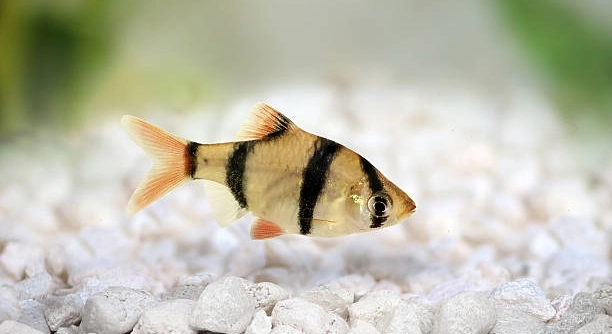
Barbs are small, active fish often kept in home aquariums. Over time, they develop behaviors that show their comfort level in their environment. Recognizing these signs helps owners understand their fish better.
When a barb becomes comfortable, it shows consistent, relaxed swimming patterns and interacts more with tank mates and surroundings. They eat readily, explore openly, and display less stress or hiding behavior, indicating adaptation to their habitat.
Noticing these clues allows you to support your barb’s well-being and maintain a healthy, balanced aquarium environment.
Signs Your Barb Swims Confidently
A comfortable barb swims calmly and confidently throughout the tank. It moves with steady, smooth motions rather than quick, erratic bursts. You might notice it exploring different levels of the aquarium, not just sticking to one corner. When the fish swims near the front of the tank or close to your hand, it shows trust and ease. Comfortable barbs also tend to maintain a consistent routine, swimming actively during feeding times and resting calmly afterward. These behaviors indicate the fish feels safe and secure in its environment. Stress or discomfort usually causes barbs to hide or dart suddenly, so steady swimming is a positive sign. Watching these movements over time helps identify your barb’s comfort level and ensures it is adapting well to its surroundings.
Steady and relaxed swimming behavior is a clear indicator your barb feels secure and confident in the aquarium.
Comfortable barbs show a calm presence in the tank. Their swimming patterns become predictable and smooth, avoiding frantic movements. This steady activity means the fish is not threatened by sudden changes or tankmates. Swimming near the glass or front area of the tank suggests a level of trust, often built through regular feeding and gentle tank interaction. This behavior contrasts sharply with nervous barbs that hide or flick quickly away when approached. Observing how and where your barb swims will give you insight into its comfort and overall well-being. Ensuring stable water conditions and a balanced tank community supports these confident behaviors, helping your barb thrive in its environment.
Eating Habits Reflect Comfort Levels
A barb that feels at ease eats regularly and eagerly, showing interest in the food provided.
When barbs are comfortable, they display consistent eating habits. They quickly respond to feeding and often compete gently for food without stress. A secure environment encourages them to eat openly rather than hiding while feeding. This behavior contrasts with stressed fish that may refuse food or eat only in secluded spots. Healthy appetite is linked to good water quality and minimal disturbances in the tank. Observing your barb’s feeding behavior can help identify changes in comfort or health. Sudden loss of appetite might indicate discomfort or illness, which should be addressed promptly to maintain fish health.
Comfortable barbs maintain a steady eating schedule and rarely show signs of food anxiety. Feeding time becomes a reliable way to gauge their well-being and tank harmony. If your barb eagerly accepts food and interacts with other fish without aggression or fear, it suggests a secure and stable environment. These habits also support growth and immune health, contributing to a longer, happier life. Feeding behavior, combined with swimming patterns, provides a full picture of how comfortable your barb is in its surroundings. Monitoring these aspects regularly helps detect problems early, allowing for timely care and adjustments to the aquarium setup.
Interaction with Tank Mates
Comfortable barbs interact peacefully with other fish. They swim alongside tank mates without showing aggression or hiding.
Barbs that feel secure display social behaviors, often swimming in small groups or near other fish. They don’t chase or nip aggressively but maintain a balanced presence. This calm interaction suggests the barb recognizes its place in the tank hierarchy and feels safe. Aggression or isolation can signal discomfort or stress, so peaceful coexistence is a positive indicator. Observing your barb’s behavior with others helps assess its comfort level and tank dynamics.
When barbs interact well, they explore the tank together, sharing space without conflict. They communicate through body language but avoid constant chasing or bullying. This balance supports a healthy aquarium environment where all fish feel safe. Comfortable barbs also respond calmly to disturbances, such as sudden movements near the tank or changes in lighting. These responses show adaptability and trust in their surroundings, further confirming their comfort.
Resting Habits
Barbs that are comfortable take short breaks throughout the day. They rest quietly in familiar spots.
Resting behavior is a sign your barb feels safe enough to relax. During rest, the fish often remains still or moves slowly near plants or decorations. This behavior indicates low stress levels and contentment. Resting also helps barbs conserve energy and maintain good health. Uncomfortable or stressed fish tend to hide constantly or remain tense, avoiding rest periods. Watching your barb rest regularly confirms it is adjusting well to its environment and feels secure in its home.
Exploring the Aquarium
Comfortable barbs explore their tank actively. They swim around decorations and plants without hesitation.
This exploration shows confidence and curiosity. The fish feels safe enough to investigate its environment regularly, which is a good sign of comfort and well-being.
Response to Human Presence
Barbs that are used to their owners show less fear. They may swim closer when someone approaches the tank, indicating trust.
This behavior reflects a strong bond between the fish and its environment. Regular, calm interactions help build this trust over time.
Color and Appearance
A comfortable barb displays vibrant colors. Dull or faded colors can signal stress or illness.
Healthy appearance often reflects good living conditions and emotional well-being. Maintaining clean water and proper nutrition helps keep barbs looking their best.
FAQ
How can I tell if my barb is stressed?
Signs of stress in barbs include erratic swimming, hiding frequently, loss of appetite, and faded coloration. They may also cling to one spot or gasp near the water surface. Stress often results from poor water quality, aggressive tank mates, or sudden changes in the environment. Monitoring these behaviors helps identify problems early and maintain a healthy tank.
What should I do if my barb seems uncomfortable?
First, check water conditions—temperature, pH, ammonia, nitrites, and nitrates should be within recommended ranges. Reduce stress by avoiding sudden changes and providing hiding spots. Ensure tank mates are compatible to prevent bullying. Feeding a balanced diet and keeping the tank clean support recovery. Adjusting these factors can help your barb regain comfort.
Why does my barb hide so much?
Excessive hiding usually means the fish feels threatened or stressed. It may be reacting to aggressive tank mates, poor water quality, or unfamiliar surroundings. Barbs need places to retreat, but constant hiding is a red flag. Improving tank conditions and monitoring social dynamics can encourage your barb to explore more freely.
How often should I feed my barb?
Feed adult barbs small amounts twice daily. Overfeeding leads to poor water quality and health issues. Provide only what they can eat in two to three minutes. A varied diet of flakes, pellets, and occasional live or frozen foods ensures balanced nutrition and keeps your barb healthy.
Can barbs live with other fish?
Yes, barbs are generally social and prefer living in groups. However, they need compatible tank mates to avoid stress and aggression. Avoid slow-moving or long-finned fish, as barbs can nip fins. Peaceful community fish that tolerate active tank mates work best in a balanced aquarium.
How big should my tank be for barbs?
A minimum of 20 gallons is recommended for a small group of barbs. They are active swimmers and need space to move freely. A larger tank helps maintain stable water conditions and reduces stress caused by overcrowding. Adding plants and decorations also provides hiding spots and enriches their environment.
What are common health problems in barbs?
Barbs may suffer from fin rot, ich, and swim bladder issues. Poor water quality, stress, and injury increase the risk of disease. Early signs include faded colors, clamped fins, white spots, or unusual swimming. Maintaining good tank hygiene and quarantine practices helps prevent outbreaks.
How do I introduce new barbs to my tank?
Quarantine new fish for at least two weeks before introducing them to the main tank. This practice helps prevent disease transmission. When adding barbs, turn off tank lights to reduce stress and introduce them gently. Observe behavior closely to ensure smooth integration with existing fish.
Do barbs need special water parameters?
Barbs prefer slightly acidic to neutral pH, around 6.5 to 7.5, and temperatures between 72°F and 78°F (22°C–26°C). Stable water conditions are essential to reduce stress and promote health. Regular testing and maintenance keep these parameters in check.
How long do barbs usually live?
With proper care, barbs can live up to five years. Good water quality, a balanced diet, and a peaceful environment contribute to their lifespan. Regular observation helps catch health problems early, supporting a longer, healthier life for your fish.
Final thoughts on recognizing when your barb is getting comfortable focus on understanding their behavior and environment. Barbs are active and social fish that show clear signs of comfort through their actions. Observing their swimming patterns, eating habits, and interactions with other fish can provide important clues. When a barb swims confidently, explores its surroundings, and eats regularly, it usually means the fish feels safe and well cared for. Noticing these behaviors helps owners make sure their tank conditions meet the needs of their barbs.
Creating a stable and clean environment is key to helping barbs become comfortable. Consistent water quality, proper tank size, and compatible tank mates contribute to a positive habitat. Barbs that feel secure will rest calmly and display vibrant colors. In contrast, signs like hiding, erratic swimming, or faded appearance often point to stress or illness. Paying attention to these differences allows owners to make timely adjustments. Feeding a balanced diet and avoiding overcrowding also support a healthy, stress-free tank.
Overall, understanding the comfort level of your barb helps maintain its health and happiness. Regularly watching how your fish behaves gives you insight into its well-being. Taking small steps to improve living conditions can have a big impact. Comfort is not just about physical space but also about a sense of security within the tank environment. By recognizing the signs of comfort, you can create a better home for your barb and enjoy a more rewarding aquarium experience.

Hello,
If you enjoy the content that we create, please consider saying a "Thank You!" by leaving a tip.
Every little bit helps us continue crafting quality advice that supports the health, happiness, and well-being of pets around the world, for pets of all shapes, sizes, and species.
We really appreciate the kindness and support that you show us!