
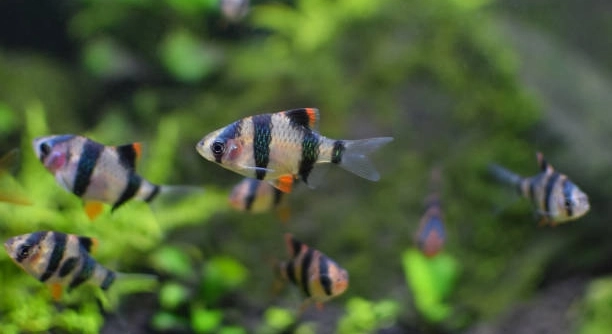
Keeping a Tiger Barb tank peaceful can be a challenge for many aquarium owners. These fish are known for their active and sometimes aggressive behavior. Understanding how to create a calm environment is important for their well-being.
The key to making a Tiger Barb tank peaceful involves proper tank setup, choosing compatible tank mates, maintaining good water quality, providing plenty of hiding spaces, and managing feeding habits. These steps reduce stress and aggression among the fish.
Learning these simple methods will help improve the harmony in your tank. A peaceful environment benefits both the fish and the aquarium experience.
Proper Tank Setup for Tiger Barbs
Setting up the tank correctly is one of the most important steps to keep Tiger Barbs peaceful. A tank size of at least 30 gallons is recommended since these fish need plenty of room to swim. A larger space helps reduce territorial fights. Adding plants and decorations like rocks or driftwood creates hiding spots. These areas allow the fish to retreat when they feel threatened or stressed. Using a smooth substrate prevents injury during fast swimming or chasing. Proper filtration and regular water changes maintain water quality, which lowers aggression caused by poor conditions. Keep the tank well-aerated to support their active nature. Maintaining a stable temperature between 74 and 78 degrees Fahrenheit is also essential. Avoid overcrowding the tank, as this can increase tension and stress among Tiger Barbs.
Having a spacious, well-planned tank helps reduce conflicts and keeps your Tiger Barbs healthier.
Tank setup affects fish behavior significantly, making it easier for Tiger Barbs to coexist peacefully in a comfortable environment.
Choosing Compatible Tank Mates
Choosing the right tank mates for Tiger Barbs is crucial. Avoid slow-moving or long-finned fish, as Tiger Barbs tend to nip at fins. Select fish that can tolerate their energetic and sometimes aggressive nature. Species like danios, barbs, and some tetras usually do well together. Adding Tiger Barbs in groups of six or more can also reduce aggression since they focus on each other rather than other fish. Avoid housing them with small, delicate fish that may become stressed or injured. Compatibility helps lower the chances of fights and creates a balanced community tank. Proper selection improves the overall peace and enjoyment in your aquarium.
Providing Plenty of Hiding Spaces
Hiding spaces help reduce stress and aggression in Tiger Barbs. Plants, caves, and decorations give fish places to retreat when feeling threatened.
Adding live or artificial plants creates natural barriers. Caves and tunnels made from rocks or resin offer safe spots. These areas prevent constant chasing and give timid fish a break. Grouping decorations in clusters helps break up the tank visually and physically. This encourages peaceful behavior by limiting direct line of sight. Changing or rearranging hiding spots occasionally can keep the environment stimulating and reduce boredom. Hiding places also mimic their natural habitat, making them feel more secure. This leads to less fighting and a calmer tank overall.
Regularly check these spots to ensure they are clean and safe for your fish. Overcrowded or sharp decorations can cause injuries.
Managing Feeding Habits
Feeding Tiger Barbs properly prevents aggression caused by competition. Feed them small amounts multiple times a day instead of one large meal. This reduces the rush and fights over food. Use sinking pellets or flakes so all fish can eat evenly. Remove uneaten food to maintain water quality and prevent stress.
Variety in diet is important. Offer high-quality flakes, pellets, and occasional treats like bloodworms or brine shrimp. This keeps fish healthy and satisfied. Avoid overfeeding, as leftover food can pollute the tank and cause behavioral problems. Consistent feeding routines also help reduce stress and aggression. Feeding at the same time daily sets expectations for the fish. Monitor their behavior during feeding to catch early signs of aggression or health issues. Adjust portions as needed to maintain peace in the tank.
Maintain Good Water Quality
Clean water reduces stress and aggression in Tiger Barbs. Regular water changes and proper filtration are essential to keep the tank healthy.
Test water parameters weekly to ensure ammonia, nitrite, and nitrate levels stay low. Stable pH between 6.5 and 7.5 supports fish health. Removing waste and uneaten food helps prevent toxic buildup, which can cause erratic behavior.
Keep Tiger Barbs in Groups
Tiger Barbs are schooling fish and feel safer in groups. Keeping at least six together helps distribute aggression within the group, reducing attacks on other tank mates.
A larger group also encourages natural social behavior, making the fish less likely to pick on others outside their school. Smaller groups or singles tend to be more aggressive and stressed.
FAQ
Why are my Tiger Barbs so aggressive?
Tiger Barbs are naturally active and sometimes aggressive fish. Aggression often occurs because of overcrowding, lack of hiding places, or poor water quality. They may also nip at other fish’s fins if housed with slow-moving or long-finned species. Keeping them in groups and providing enough space can reduce aggressive behavior.
How many Tiger Barbs should I keep together?
It is best to keep at least six Tiger Barbs together. They are schooling fish and feel more secure in groups. A larger school helps spread out aggression among themselves instead of targeting other tank mates. Smaller groups or singles tend to become stressed and act more aggressively.
What tank size is suitable for Tiger Barbs?
A minimum of 30 gallons is recommended for a small group of Tiger Barbs. This size gives them enough room to swim and reduces territorial fights. Larger tanks provide better water quality stability and more space for decorations and hiding spots.
Can Tiger Barbs live with other fish?
Yes, but tank mates must be chosen carefully. Avoid slow-moving or long-finned fish like bettas or angelfish, as Tiger Barbs may nip their fins. Good companions include danios, other barbs, and some tetras that can handle their energetic nature.
What type of hiding places work best?
Dense plants, caves, driftwood, and rock formations create ideal hiding spots. These provide refuge for timid fish and reduce stress. The hiding places should be spread throughout the tank to break up sight lines and give fish space to retreat during conflicts.
How often should I feed my Tiger Barbs?
Feeding small amounts two to three times a day is ideal. This prevents competition and reduces fighting over food. Use sinking pellets or flakes to ensure all fish get their share. Remove any uneaten food to maintain water quality.
What diet keeps Tiger Barbs healthy?
A varied diet of high-quality flakes, pellets, and occasional live or frozen foods like bloodworms or brine shrimp is best. Variety supports their health and reduces boredom. Avoid overfeeding to prevent water pollution and related aggression.
How important is water quality for Tiger Barbs?
Water quality is very important. Poor water conditions cause stress, which increases aggression and illness. Regular water changes, proper filtration, and weekly testing of ammonia, nitrite, nitrate, and pH levels help keep the tank healthy.
Why do Tiger Barbs nip at other fish?
Nipping is a natural behavior to establish dominance and defend territory. It often happens if fish are stressed, overcrowded, or bored. Providing hiding places, enough space, and keeping them in proper groups reduces this behavior.
What temperature range is best for Tiger Barbs?
Tiger Barbs thrive in temperatures between 74 and 78 degrees Fahrenheit. Keeping the temperature stable within this range supports their activity and health. Sudden changes or extremes can cause stress and trigger aggression.
Final Thoughts
Creating a peaceful environment for Tiger Barbs takes careful planning and attention. These fish are naturally active and sometimes aggressive, but with the right setup, their behavior can be managed well. Providing enough space, hiding spots, and the right tank mates makes a big difference. When they feel secure and comfortable, Tiger Barbs are less likely to fight and cause stress in the tank.
Maintaining good water quality is another important factor. Clean water reduces stress and keeps fish healthy, which in turn helps prevent aggressive behavior. Regular water changes and proper filtration are necessary to keep the tank stable. Feeding habits also play a role. Feeding small amounts several times a day helps stop competition during meals and lowers the chances of fights. Offering a varied diet supports their health and satisfaction.
Overall, keeping Tiger Barbs peaceful requires a balance of several factors. Patience and observation help you notice when something is causing stress or aggression. Adjusting the environment by adding plants, choosing suitable tank mates, and maintaining water quality will improve the tank’s harmony. By following these steps, your Tiger Barbs can live together more peacefully and create a more enjoyable aquarium experience.

Hello,
If you enjoy the content that we create, please consider saying a "Thank You!" by leaving a tip.
Every little bit helps us continue crafting quality advice that supports the health, happiness, and well-being of pets around the world, for pets of all shapes, sizes, and species.
We really appreciate the kindness and support that you show us!