
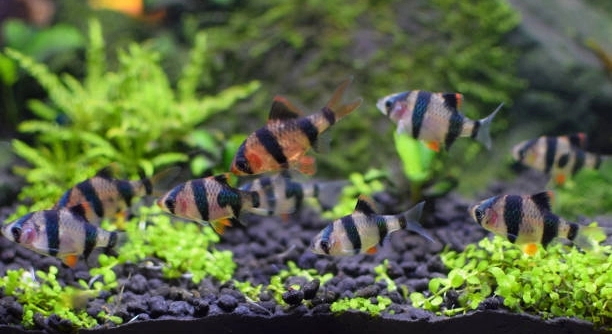
Barbs are popular freshwater fish known for their active behavior and social nature. Many owners expect them to swim in groups, yet sometimes they prefer to stay apart. Understanding their behavior can help improve their care and environment.
The main reasons your barb won’t swim in groups include stress from overcrowding, incompatible tank mates, insufficient space, poor water quality, lack of hiding spots, illness, or natural individual personality differences that affect schooling behavior.
Learning these factors can help create a healthier tank environment and encourage your barbs to enjoy swimming together as they naturally would.
Overcrowding and Tank Size
When barbs are kept in a tank that is too small or overcrowded, they tend to avoid swimming in groups. These fish need enough space to move freely and establish their social hierarchy. Overcrowding can cause stress, which makes barbs more likely to hide or stay isolated. A tank that is at least 20 gallons for a small group of barbs is recommended. Providing enough room reduces competition and allows them to display natural schooling behavior. When the space is limited, dominant barbs may bully others, pushing them away from the group. Ensuring the tank size fits the number of fish is essential for their comfort and social interaction.
A crowded tank can also lead to poor water quality, adding more stress and discouraging group swimming. Always monitor your tank population and water conditions to keep barbs healthy.
Proper tank size and population balance improve your barbs’ chances of swimming together comfortably, making the environment less stressful and more natural for them.
Water Quality and Environment
Poor water quality directly affects barbs’ health and behavior. Ammonia, nitrite, or nitrate levels that are too high can cause discomfort and illness, which often leads barbs to isolate themselves. Regular water testing and changes help maintain stable conditions. Barbs prefer slightly acidic to neutral water and moderate temperatures, so keeping these parameters steady encourages natural group swimming.
Adding plants and hiding spots helps reduce stress by giving barbs safe spaces to retreat. This setup supports their social structure and encourages group movement. Avoid sudden changes in water temperature or chemistry, as these shocks can make barbs more cautious and less likely to swim together.
Maintaining clean water and a balanced environment helps your barbs feel secure. When their habitat matches their needs, they are more likely to swim actively in groups, showing their natural schooling behavior.
Tank Mates and Compatibility
Barbs can be sensitive to their tank mates. Aggressive or very passive fish nearby may cause barbs to stop schooling. They need companions that match their energy and temperament.
When barbs share their tank with aggressive species, they often hide or swim alone to avoid conflict. On the other hand, very passive fish might be ignored, making barbs less motivated to group. Choosing compatible tank mates with similar activity levels helps barbs feel secure and encourages natural group behavior. Compatibility keeps stress low and allows barbs to interact normally, which is key for their social needs.
Introducing barbs to a well-planned community tank can take some time. Slowly adding fish with matching temperaments ensures the barbs settle comfortably and resume swimming in groups. This balance promotes a peaceful environment where all fish thrive.
Illness and Stress Factors
Stress and illness can cause barbs to isolate themselves from the group. Signs of sickness include lethargy, loss of appetite, and unusual swimming patterns. Stress might come from poor water conditions or frequent tank changes.
When barbs are stressed or ill, they prioritize recovery over social behavior. Their immune system weakens, and swimming in groups becomes less important. Preventing illness by maintaining clean water and a stable environment is critical. Avoid sudden changes and keep a close eye on their health to reduce stress.
Taking quick action to treat illness and minimize stress helps barbs return to normal social behavior. Healthy barbs are more likely to swim actively and enjoy their groups, showing natural schooling instincts once again.
Individual Personality Differences
Each barb has its own personality, which can affect how it behaves in a group. Some barbs naturally prefer to stay alone or on the edges of the school.
These personality traits are normal and don’t always indicate a problem. Observing your fish over time helps identify which ones are less social and adjust care accordingly.
Lack of Hiding Spots
Barbs need places to hide to feel safe within their group. Without enough plants or decorations, they may avoid swimming together openly.
Providing adequate hiding spots helps reduce stress and encourages barbs to interact more naturally, making group swimming more common.
Tank Setup and Lighting
Lighting and tank setup influence barb behavior. Bright or harsh lighting may cause discomfort, making barbs reluctant to swim in groups. Adjusting lighting to a softer, natural level can improve their willingness to school together.
FAQ
Why does my barb swim alone instead of with the group?
Barbs swimming alone often indicate stress, illness, or discomfort in their environment. It can also result from tank mates that are too aggressive or a tank that is too small. Sometimes, individual personality plays a role, where some fish naturally prefer solitude. Monitoring water quality, tank size, and compatibility can usually resolve this issue.
How many barbs should be kept together to encourage group swimming?
Keeping at least six barbs together is ideal for natural schooling behavior. Smaller groups might cause them to feel insecure and scatter. Larger groups provide safety and social interaction, helping barbs feel more confident and encouraging group swimming.
Can changing the tank environment help barbs swim together?
Yes, improving the tank environment by adding plants, hiding spots, and adjusting lighting can make barbs feel safer. A well-decorated tank reduces stress and promotes natural behavior, including swimming in groups.
Is poor water quality a reason for barbs not swimming in groups?
Absolutely. Poor water quality causes stress and illness, making barbs isolate themselves. Regular water tests and maintenance are necessary to keep water parameters stable, encouraging healthier and more social fish.
Do barbs need specific tank mates to swim in groups?
Compatible tank mates with similar activity levels and temperament help barbs feel comfortable. Aggressive or very passive fish can disrupt their social behavior. Choosing the right companions supports natural group swimming.
Can illness affect barb behavior in the tank?
Illness often causes lethargy and withdrawal. Sick barbs stop swimming in groups as they focus on recovery. Identifying symptoms early and treating illness promptly helps them return to normal social behavior.
How does tank size affect barbs’ group swimming?
A tank that’s too small or overcrowded increases stress and competition, pushing barbs to avoid groups. Providing enough space allows them to establish social order and swim comfortably together.
What role does lighting play in barb behavior?
Harsh or overly bright lighting can cause discomfort, leading barbs to hide or swim alone. Softer, natural lighting encourages more active and group swimming behavior.
Is it normal for some barbs to prefer swimming alone?
Yes, individual differences mean some barbs may be less social. This is part of their personality and doesn’t always mean there is a problem.
How long does it take for barbs to start swimming in groups after changes?
Adjustment time varies but usually takes a few days to a couple of weeks. Patience and consistent care help barbs feel secure enough to school naturally.
What can I do if barbs keep bullying each other?
Bullying often comes from overcrowding or incompatible fish. Reducing tank population, providing hiding spots, and rearranging tank decor can reduce aggression and promote peaceful group swimming.
Can diet affect barb social behavior?
A balanced diet supports overall health, which influences activity and social interaction. Poor nutrition can lead to weakness or stress, reducing group swimming behavior.
Should I quarantine new barbs before adding them to the group?
Quarantining new fish prevents disease spread and reduces stress for the existing group. It helps maintain a healthy environment where barbs can swim and interact safely.
What temperature range is best for encouraging group swimming in barbs?
Barbs prefer temperatures between 74°F and 79°F (23°C to 26°C). Keeping the water within this range supports their health and natural schooling behavior.
How often should I clean the tank to maintain good conditions?
Regular partial water changes every one to two weeks keep water quality high. Cleaning the tank and equipment prevents buildup of harmful substances, encouraging healthy and social barbs.
Barbs are lively and social fish that usually enjoy swimming in groups. When they don’t, it can be concerning and confusing. Several factors influence their behavior, such as tank size, water quality, tank mates, and even their individual personalities. Understanding these reasons helps create a better environment for them. By providing enough space, clean water, and compatible companions, you make it easier for barbs to feel safe and comfortable. This encourages them to swim together naturally, showing their true social nature.
Keeping barbs healthy is also very important. Stress and illness can cause them to isolate themselves or act differently. Regular monitoring of water conditions, feeding a balanced diet, and watching for signs of sickness are simple ways to support their well-being. Making gradual changes to their environment rather than sudden ones helps reduce stress. Adding plants and hiding places also gives barbs safe spots to retreat when needed, which can improve their confidence in the group. These small steps make a big difference in how your barbs behave.
Ultimately, patience and observation are key. Every barb has a unique personality, and some may prefer swimming alone at times. This is normal and should not be a cause for worry unless accompanied by signs of illness or poor water quality. Taking the time to learn about their needs and adjusting care accordingly helps your barbs thrive. When their environment supports them properly, they are more likely to swim actively in groups, which is both healthy and enjoyable to watch.

Hello,
If you enjoy the content that we create, please consider saying a "Thank You!" by leaving a tip.
Every little bit helps us continue crafting quality advice that supports the health, happiness, and well-being of pets around the world, for pets of all shapes, sizes, and species.
We really appreciate the kindness and support that you show us!