
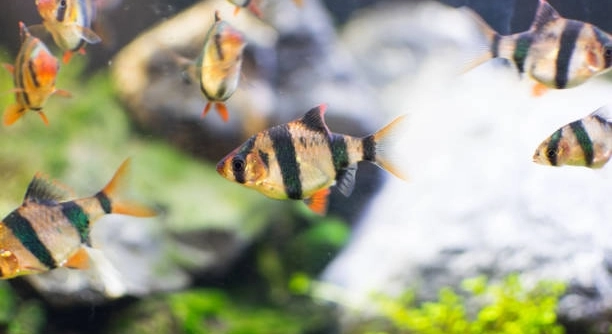
Do your tiger barbs often chase each other or nip at fins, leaving you worried about their behavior in a shared tank environment?
Aggression in tiger barbs is usually caused by stress, lack of space, or improper social grouping. To reduce this behavior, it’s essential to maintain the right tank conditions, provide enough space, and keep them in compatible groups.
With the right setup and a few small changes, your tiger barbs can become more peaceful and enjoyable to watch in your home aquarium.
Keep Them in Groups of Six or More
Tiger barbs are schooling fish, and keeping too few of them can trigger aggressive behavior. When housed in small numbers, they may become territorial and bully each other or tank mates. A group of at least six helps spread out any aggression within the school and creates a more natural, balanced social structure. This keeps individual barbs from becoming targets and helps maintain peace in the tank. Larger groups also mimic their natural environment, making them feel safer and less stressed. It’s one of the easiest ways to reduce nipping and chasing behavior in community tanks.
Smaller groups often lead to one or two barbs becoming dominant and harassing the weaker ones continuously.
When adding new fish, always aim to keep their numbers even or increase the school to eight or more. Make sure the tank is large enough to support the group, and avoid mixing them with slow-moving or long-finned species that can attract unwanted attention.
Provide Plenty of Space
A small tank can stress tiger barbs and make them act out. Give them space to swim freely and explore.
A minimum tank size of 20 gallons is recommended for a small school of tiger barbs, but larger is always better. More space allows them to establish a natural pecking order without constant chasing or conflict. Tight quarters lead to frustration and trigger territorial behavior. When barbs are cramped, they often release their tension by nipping fins or bullying others. A spacious tank with open swimming areas and hiding spots helps relieve stress and gives fish room to avoid unwanted contact. Use plants, rocks, or driftwood to break up sightlines, so aggressive fish can’t constantly fixate on one target. Keep an eye on the tank’s stocking level—too many fish in too little space creates the perfect setup for aggression. More swimming room helps tiger barbs behave better and feel more secure overall.
Add Hiding Spots and Visual Barriers
Creating hiding spots in the tank helps tiger barbs escape from each other when needed. These areas give fish a place to cool off, reducing aggressive outbursts. Visual breaks also keep them from constantly locking eyes and challenging one another.
Use plants, driftwood, rocks, and decorations to divide the tank into smaller zones. This gives each barb the chance to establish its own space without interference. Tall plants and caves allow weaker or smaller fish to hide when they feel threatened. Visual barriers also disrupt the line of sight, so dominant fish can’t constantly track or harass others. Arrange the tank to include both open swimming areas and secluded corners. Spread out hiding spots rather than grouping them all in one place. This helps create a calm, structured environment where fish aren’t competing for the same space all the time.
Keeping things stable in the tank helps tiger barbs behave better. A well-decorated tank with balanced lighting and shelter encourages calmer interactions. When fish feel secure, they’re less likely to lash out. Avoid rearranging the tank too often, as it can cause stress and shake up their social structure. Stick with a layout that supports both group swimming and private spaces for rest.
Feed Them Properly and Consistently
Hunger can increase tension between tiger barbs, especially in smaller tanks. Feeding them the right amount at regular times helps reduce chasing and competition for food.
Feed small amounts two to three times a day instead of dumping in a large portion at once. Use sinking pellets and flakes that spread across the tank to keep the group from crowding the surface. You can also occasionally offer frozen or live foods like brine shrimp or bloodworms for variety and enrichment. Feeding at consistent times creates a routine, helping fish feel more secure and calm. If aggression peaks during feeding, use multiple spots to distribute food more evenly. Monitor the fish to make sure each one gets a share—dominant barbs will sometimes hog food if left unchecked. Consistent feeding habits reduce stress and make tiger barbs less likely to fight over meals.
Avoid Mixing Them with Slow or Long-Finned Fish
Tiger barbs are fast swimmers and often nip at slower fish. Long fins, like those on bettas or angelfish, can trigger their chasing instinct. This creates stress and injuries for both species in the tank.
Choose tank mates that are quick, short-finned, and able to hold their own. Good options include zebra danios, rasboras, or loaches. Keeping compatible species together helps maintain peace and keeps everyone healthier and happier.
Maintain Consistent Water Parameters
Unstable water conditions can stress tiger barbs and make them more aggressive. Keep the temperature between 74–79°F, and monitor ammonia, nitrite, and nitrate levels closely. Perform weekly water changes of around 25%, and use a good-quality water conditioner. pH should stay between 6.5 and 7.5. If fish feel stressed due to poor water quality, they’ll often lash out at tank mates. Stable water creates a calmer environment where barbs can focus on swimming and exploring instead of defending territory or competing for space. Test the water regularly, especially after adding new fish or making changes to the tank setup.
Avoid Overcrowding the Tank
Too many fish in one tank causes stress and encourages aggression. Stick to proper stocking guidelines to give each barb enough space to swim, feed, and rest without pressure from others.
FAQ
How many tiger barbs should I keep together to reduce aggression?
Keeping at least six tiger barbs together is important to reduce aggression. Smaller groups tend to make dominant fish pick on weaker ones. Larger groups spread out the aggressive behavior and help the fish feel more secure in their social hierarchy.
What size tank is best for tiger barbs?
A minimum of 20 gallons is recommended for a small group of tiger barbs. Larger tanks allow more space to swim and reduce territorial disputes. Crowded tanks cause stress and increase aggressive behavior among fish.
Can tiger barbs live with other fish?
Tiger barbs can live with other species, but it’s best to avoid slow or long-finned fish. Their nipping behavior targets slow swimmers or fish with flowing fins, which can cause injuries. Choose fast, sturdy fish like danios or rasboras as tank mates.
Why do tiger barbs nip at each other?
Nipping is often a result of stress, overcrowding, or boredom. When fish feel cramped or insecure, they may chase or nip fins to establish dominance. Providing enough space, hiding spots, and proper feeding helps reduce this behavior.
How can I stop tiger barbs from nipping my other fish?
Keeping tiger barbs in larger groups, providing plenty of space, and selecting compatible tank mates helps lower nipping. Adding visual barriers and hiding spots lets other fish escape when needed. Regular feeding and stable water conditions also reduce aggression.
Does adding plants help reduce aggression?
Yes, live or artificial plants create hiding places and break up lines of sight. This limits constant chasing and gives stressed fish places to retreat. Plants also make the tank environment feel more natural and calming for tiger barbs.
How often should I feed tiger barbs?
Feed small amounts two to three times daily. Frequent, smaller feedings reduce competition and stress around feeding time. Use a variety of flakes, pellets, and occasional frozen or live foods to keep their diet balanced.
Can water quality affect aggression?
Poor water quality causes stress, which increases aggressive behavior in tiger barbs. Maintaining stable temperature, pH, and low ammonia or nitrate levels helps fish feel comfortable. Regular water changes and filtration keep the environment healthy and calm.
Is it normal for tiger barbs to be aggressive sometimes?
Yes, some aggression is natural as they establish social order. However, constant or severe aggression indicates a problem like overcrowding or stress. Adjusting tank conditions usually helps bring behavior back to normal.
What should I do if aggression continues despite changes?
If aggression persists, consider increasing tank size, adding more tiger barbs, or rearranging decorations for more hiding spots. In extreme cases, separating overly aggressive fish may be necessary to protect others. Monitoring behavior regularly is key to early intervention.
Final Thoughts
Managing aggression in tiger barbs requires understanding their natural behavior and needs. These fish are lively and social but can become aggressive if their environment is not suitable. Keeping them in groups of six or more helps spread out aggressive tendencies and creates a balanced social structure. Providing enough space in the tank and including hiding spots reduces stress and prevents constant chasing. Feeding them properly and maintaining stable water conditions are also essential factors that influence their behavior. When all these needs are met, tiger barbs tend to be more peaceful and enjoyable to keep.
It is important to remember that some level of aggression is normal among tiger barbs as they establish dominance within their group. However, constant or severe aggression signals that something needs adjustment in the tank setup or care routine. Avoid overcrowding, choose compatible tank mates, and provide a well-decorated environment with plants or decorations that break up sightlines. Consistency in feeding and water quality also plays a major role in keeping stress low. By paying attention to these details, it is possible to create a calm and stable habitat where tiger barbs can thrive.
Patience and observation are key when caring for tiger barbs. Changes in behavior might take time to improve, so it is important to monitor the tank regularly and make gradual adjustments. If aggression continues despite efforts, consider increasing the tank size, adding more fish to balance the group, or rearranging the decorations to create more hiding places. In rare cases, separating overly aggressive individuals might be necessary. Overall, with the right care and environment, tiger barbs can live harmoniously and add vibrant activity to your aquarium.

Hello,
If you enjoy the content that we create, please consider saying a "Thank You!" by leaving a tip.
Every little bit helps us continue crafting quality advice that supports the health, happiness, and well-being of pets around the world, for pets of all shapes, sizes, and species.
We really appreciate the kindness and support that you show us!