
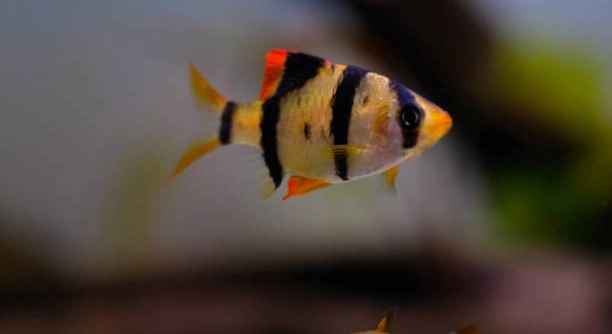
Do your tiger barbs sometimes seem restless, darting around when the lights go off or staying unusually still during the day?
Tiger barbs may not sleep well due to inconsistent lighting, tank overcrowding, or high stress levels. Poor water quality and sudden disturbances also interfere with their rest, leading to unusual behavior and health issues.
Spotting the signs early can help improve their comfort and prevent long-term stress in your aquarium environment.
Your Tiger Barb Stays Active All Night
Tiger barbs are naturally energetic during the day and should become less active when the lights go out. If yours stays busy throughout the night, it may be a sign of sleep disruption. This often happens when the tank is placed in a bright room or receives light during nighttime hours. Lights from TVs, lamps, or even streetlights can confuse their internal clock. Without a proper day-night cycle, tiger barbs may struggle to rest. A consistent lighting schedule, with 10–12 hours of light followed by darkness, helps them understand when to rest. Covering the tank at night or moving it away from bright areas can make a difference. A calm environment with minimal activity around the tank during nighttime hours also supports better sleep. Tiger barbs need quiet time to recharge, just like any living creature. If that balance is off, they’ll show it through odd nighttime behavior.
Sleep is important for maintaining their energy and health. Keep lighting consistent and avoid late-night disturbances near the tank.
If your tiger barb keeps swimming after lights out, try adjusting its environment. The signs may seem small, but fixing them can lead to a calmer, healthier fish.
Water Conditions Are Off
Poor water quality can easily stress your tiger barb and prevent it from getting proper rest. Ammonia spikes, low oxygen, or incorrect temperatures are all possible causes.
Tiger barbs are sensitive to their environment. Even small changes in water quality can affect their behavior and sleep patterns. High ammonia or nitrite levels irritate their gills, making them uncomfortable and restless. A filter that’s too strong may also create excessive current, keeping them active when they should be still. Test your water regularly for ammonia, nitrite, nitrate, pH, and temperature. Tiger barbs prefer stable, clean water at around 74–79°F (23–26°C). Sudden shifts outside this range can lead to stress. Use a thermometer and keep an eye on temperature changes caused by heaters or nearby windows. Also, make sure oxygen levels are steady by adding an air stone or ensuring good surface movement. Poor conditions often go unnoticed, but they can disturb your fish’s rest without you realizing it.
Tank Mates Are Causing Stress
Tiger barbs are active but also sensitive to aggressive or overly shy tank mates. Constant chasing or nipping at others, or being chased, keeps them alert and prevents rest. They do best in groups of their own kind, with space to move freely.
When kept with incompatible fish, tiger barbs often stay on high alert. This stress can cause them to lose sleep, hide, or become more aggressive themselves. Slow-moving or long-finned fish like angelfish or guppies are not good tank mates, as tiger barbs tend to nip at them. On the other hand, if tiger barbs are outnumbered or alone, they may become the targets of bullying. A school of six or more tiger barbs helps balance their energy and keeps aggression focused within the group. Keep the tank size large enough to support multiple fish and add plants or decorations to give each one enough space.
Watch for signs of stress like fin damage, rapid breathing, or excessive hiding. These behaviors may be triggered by conflict in the tank, leading to poor sleep. Reassess your tank’s community if things seem tense. Giving tiger barbs a peaceful and predictable environment helps support healthier rest and more natural behavior during both day and night hours.
There’s Too Much Noise or Movement Nearby
Tiger barbs respond quickly to vibration, light changes, and nearby motion. If the tank is near a loud speaker, TV, or high-traffic area, they may stay alert instead of resting. This can affect their overall energy and behavior.
Constant stimulation from outside the tank keeps tiger barbs stressed and jumpy. They might dart suddenly, stay hidden, or swim near the bottom when overwhelmed. These are signs that they’re not settling properly, especially during resting hours. Try placing the tank in a quieter space, away from foot traffic or noise. Avoid tapping on the glass, and minimize sudden lighting changes. If your home is always busy, consider adding a background or plants to block outside movement. Even slight noise at night can disturb them. A calm space helps them feel safe and allows for uninterrupted rest, which supports their health and reduces stress-related behaviors.
Lighting Schedule Keeps Changing
Inconsistent lighting confuses your tiger barb’s internal clock. Sudden shifts in when the lights go on or off can stop them from recognizing nighttime, leaving them active when they should be resting. They need a regular light-dark cycle every day.
Using a timer helps create a stable routine. Lights should stay on for 10–12 hours and then remain off the rest of the time. Avoid turning lights on and off manually at random times, especially during the evening or night.
Your Tiger Barb Is Sick
Illness can make tiger barbs restless, weak, or overly still. When they’re unwell, they may struggle to rest properly, especially if they’re dealing with pain or internal problems. Watch for clamped fins, labored breathing, or unusual swimming. These could be signs of disease. Poor sleep is often one of the first signs that something is wrong. Test your water, observe your barb’s behavior closely, and look for changes in appetite or color. Treat issues early, and consider separating the sick fish if needed to reduce stress and give it space to recover in peace.
The Tank Is Too Bright at Night
Excessive light during nighttime hours keeps tiger barbs from settling down. Cover the tank or adjust the lighting to create a clear difference between day and night. Darkness signals rest.
How can I tell if my tiger barb is not sleeping well?
Signs your tiger barb isn’t sleeping well include unusual restlessness during nighttime, swimming constantly, or hiding excessively during the day. They may also show stress behaviors like clamped fins, rapid breathing, or changes in appetite. If your fish seems overly active when the tank lights are off, it’s a clear indication they are not resting properly.
What changes can improve my tiger barb’s sleep?
The best way to help your tiger barb sleep better is to create a consistent environment. Keep the lighting on a strict schedule—about 10 to 12 hours of light followed by darkness. Make sure the tank is in a quiet area with minimal disturbances. Regular water testing and maintenance reduce stress caused by poor water quality. Also, keep tank mates peaceful and compatible to prevent bullying or aggression.
Is it normal for tiger barbs to be active at night?
Tiger barbs are diurnal, meaning they are naturally active during the day and should rest when the lights are off. If they remain active at night, something is disrupting their natural rhythm. It could be inconsistent lighting, stress, or poor water conditions. Addressing these issues often helps them return to normal sleep patterns.
How often should I test the water to support healthy sleep for my fish?
Water testing should be done weekly or at least every two weeks to catch any changes early. Keep an eye on ammonia, nitrite, nitrate, pH, and temperature levels. Stable, clean water is critical for your tiger barb’s overall health and rest. Sudden changes or toxic buildup stress the fish and disrupt sleep.
Can tank decorations affect my tiger barb’s sleep?
Yes, decorations play a role in creating a restful environment. Plants and hiding spots provide shelter where your fish can feel safe and relaxed. Without places to hide, tiger barbs may feel exposed and stressed, which interferes with sleep. A well-decorated tank mimics their natural habitat and helps reduce anxiety.
What are the signs of stress caused by tank mates?
Signs include constant chasing, nipping at fins, or hiding often. Your tiger barb may show damaged fins, faded colors, or unusual aggression. Stress from tank mates can prevent proper rest and cause long-term health problems. Keeping a school of tiger barbs together and selecting peaceful species reduces these issues.
Can noise outside the tank disturb tiger barbs?
Yes, vibrations and noise can disturb your fish, especially if the tank is near loudspeakers, TVs, or busy household areas. They react to sudden movements or loud sounds by becoming alert or stressed. Placing the tank in a quiet spot and minimizing tapping on the glass helps create a calm environment.
How important is lighting control for tiger barb sleep?
Lighting is very important. A steady light schedule helps regulate their natural day-night cycle. Too much light at night or irregular lighting confuses their internal clock, causing them to stay awake. Using timers to keep consistent lighting times supports better sleep and overall wellbeing.
What should I do if my tiger barb is sick and not sleeping?
If illness is suspected, test water quality immediately and check for symptoms like clamped fins, lethargy, or unusual swimming. Treat any infections or parasites promptly and isolate the sick fish if needed. Proper medication, clean water, and reduced stress improve recovery and help the fish sleep better.
Can overcrowding affect tiger barb sleep?
Overcrowding creates competition for space and resources, causing stress and preventing rest. Tiger barbs need enough room to swim freely and establish a comfortable hierarchy within their group. A crowded tank increases aggression and restlessness, so maintain appropriate stocking levels based on tank size.
Is it okay to use a night light in the tank?
A very dim night light can be okay if it mimics natural moonlight and does not disturb the fish. However, bright or continuous lighting at night disrupts their sleep cycle. If you use a night light, ensure it is low intensity and turned off during the main sleeping hours to maintain proper rest.
How can I create a nighttime environment that encourages rest?
Turn off all lights for a solid period each night. Cover the tank if nearby lights might shine in. Keep the room quiet and avoid vibrations or sudden movements. Adding plants and hiding spots helps your tiger barbs feel secure. A calm and dark environment signals that it is time to rest, encouraging healthy sleep.
Helping your tiger barb get good rest is important for its health and happiness. Like all living creatures, fish need sleep to recover and stay strong. When tiger barbs don’t sleep well, they can become stressed, weak, or sick. Watching for signs of poor sleep is the first step. These signs include unusual activity at night, hiding too much, or behaving differently than usual. By paying close attention to their habits, you can notice problems early and take steps to fix them.
Creating a peaceful environment is key. Keep the lighting on a regular schedule, with clear periods of light and darkness each day. Avoid bright lights at night and reduce noise or vibrations near the tank. Water quality also plays a big role—clean water with stable temperature and balanced chemicals supports your fish’s well-being. Tank mates should be chosen carefully to avoid stress caused by fighting or bullying. Decorations like plants and hiding spots give your tiger barbs places to relax, which helps them feel safe and comfortable.
Making these adjustments might seem small, but they can make a big difference for your tiger barb’s sleep and overall health. Good rest helps fish stay active, eat well, and fight off illness. If you ever notice changes in behavior or health, checking sleep habits and environment is a helpful place to start. Keeping your tiger barb happy means paying attention to these simple but important details every day.

Hello,
If you enjoy the content that we create, please consider saying a "Thank You!" by leaving a tip.
Every little bit helps us continue crafting quality advice that supports the health, happiness, and well-being of pets around the world, for pets of all shapes, sizes, and species.
We really appreciate the kindness and support that you show us!