
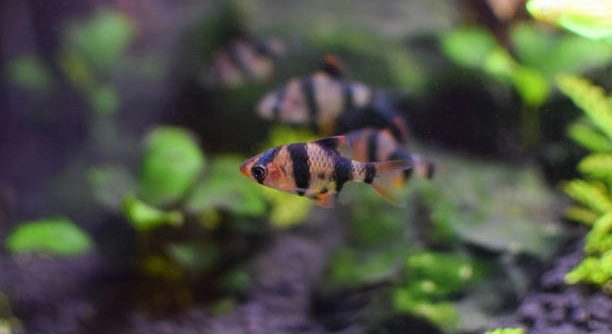
Keeping Tiger Barbs healthy and happy in your aquarium requires careful attention. Many common tank mistakes can cause stress to these active fish, affecting their behavior and overall well-being. Understanding these errors helps create a better environment for them.
Tiger Barbs are sensitive to several tank conditions such as overcrowding, poor water quality, lack of hiding spots, and inappropriate tank mates. These factors lead to stress, which can weaken their immune system and cause aggression or illness. Avoiding these mistakes is crucial for maintaining a balanced aquarium.
Recognizing and correcting these errors will improve your Tiger Barbs’ health and make your tank a more peaceful place for everyone.
Overcrowding the Tank
Keeping too many Tiger Barbs in one tank is a common mistake. These fish are active swimmers and need enough space to move freely. When the tank is crowded, they become stressed because they compete for space and resources. Overcrowding also affects water quality faster, as more waste accumulates. This can lead to poor health and aggression among the fish. A good rule is to allow at least 2 gallons of water per inch of fish. Providing enough room helps Tiger Barbs display natural behaviors and reduces fighting. It’s important to plan the tank size before adding too many fish. Proper stocking supports a healthier, more balanced environment.
Overcrowding reduces oxygen levels and increases toxins, stressing your Tiger Barbs and increasing disease risk.
Giving your Tiger Barbs enough space will improve their behavior and overall well-being. More swimming room lets them stay active and healthy while avoiding unnecessary conflicts and stress.
Poor Water Quality
Poor water quality is one of the biggest factors that stress Tiger Barbs. Dirty water causes ammonia and nitrite levels to rise, which harms their sensitive gills and weakens their immune system. Regular water changes and proper filtration are essential to keep the water clean and stable. Test kits help monitor water parameters like pH, ammonia, nitrites, and nitrates. The ideal pH for Tiger Barbs is around 6.5 to 7.5. Sudden changes in water conditions should be avoided because they cause shock. A stable environment keeps fish healthy and less prone to illness. Cleaning the tank regularly and avoiding overfeeding also improve water quality. It’s important to balance tank maintenance with the fish’s needs.
Keeping water clean means regular partial water changes, avoiding overfeeding, and monitoring chemical levels closely to maintain a safe environment. Proper filtration and cleaning reduce toxins and stress. Neglecting these can lead to fish sickness and higher mortality rates. Consistency is key; sudden changes in water parameters or dirty water cause stress and aggression in Tiger Barbs. Many tank problems come from ignoring water quality, so staying on top of maintenance is crucial. This helps your fish thrive and keeps the tank environment stable for the long term.
Inadequate Hiding Spots
Tiger Barbs need places to hide to feel safe. Without enough hiding spots, they become stressed and more aggressive. Plants, caves, and decorations provide shelter and reduce conflict.
Providing natural or artificial hiding places mimics their natural environment. It helps shy or weaker fish escape from dominant ones. This reduces bullying and allows all fish to rest when needed. Hiding spots also offer territory boundaries, lowering territorial disputes. When planning your tank, include plenty of decorations and plants spaced around the aquarium. This will create a more comfortable space where Tiger Barbs can thrive and feel secure.
Even in peaceful tanks, stress can build without hiding places. Fish exposed constantly without refuge are vulnerable to stress-related illness. It’s an easy fix that improves behavior and health by offering balance between open swimming areas and sheltered zones.
Incompatible Tank Mates
Choosing the wrong tank mates can cause stress and aggression in Tiger Barbs. Avoid slow-moving or long-finned fish that may be targeted or outcompeted.
Tiger Barbs are active and sometimes nippy, so tank mates must be able to handle their energy. Fast swimmers like danios or other barbs work better. Avoid very small fish that could be seen as prey. Aggressive species can lead to constant fights, raising stress levels for all fish. Always research compatibility before adding new fish to maintain harmony in the tank.
Introducing fish with similar temperaments and swimming speeds creates a balanced community. Keeping a group of Tiger Barbs together also helps reduce their aggressive behavior, as they feel more secure in numbers. Proper tank mate selection prevents bullying and allows peaceful coexistence, leading to a healthier aquarium environment overall.
Inconsistent Feeding Schedule
Feeding Tiger Barbs irregularly can cause stress and poor health. They need a consistent feeding routine to stay healthy and active.
Overfeeding or underfeeding disrupts their digestion and water quality. Feeding the right amount, once or twice daily, supports their energy and reduces waste buildup.
Incorrect Water Temperature
Tiger Barbs thrive in water temperatures between 74°F and 78°F. Temperatures outside this range can cause stress and illness.
Maintaining stable water temperature with a reliable heater and thermometer is important. Sudden temperature changes weaken their immune system and affect their activity levels.
Lack of Schooling Group
Tiger Barbs are schooling fish and need to be kept in groups of at least six. Without a group, they become stressed and aggressive.
FAQ
Why do my Tiger Barbs keep fighting?
Tiger Barbs can be aggressive, especially when stressed or kept in small groups. They are schooling fish and need at least six to feel secure. Without enough companions, they may turn on each other out of frustration or boredom. Overcrowding or lack of hiding spots can also increase aggression. Ensuring the right tank size, group size, and enough cover can reduce fighting significantly.
How often should I change the water in my Tiger Barb tank?
Regular water changes are important to maintain good water quality. Changing 20-25% of the water once a week helps remove toxins like ammonia and nitrates. Frequent partial changes keep the environment stable and reduce stress for the fish. Avoid changing too much water at once, as sudden changes in water chemistry can shock Tiger Barbs.
What is the ideal tank size for Tiger Barbs?
A tank of at least 20 gallons is recommended for a small school of six Tiger Barbs. This size provides enough swimming space and helps keep water parameters stable. Larger tanks are better if you want to add more fish or decorations. Avoid small tanks, as they lead to overcrowding and stress.
Can Tiger Barbs live with other fish?
Yes, but tank mates should be chosen carefully. Suitable companions include fast, active fish like danios or other barbs. Avoid slow or long-finned species, which may be nipped. Also, steer clear of very small fish that could be bullied or eaten. Proper selection prevents stress and keeps the tank peaceful.
How do I know if my Tiger Barbs are stressed?
Signs of stress include hiding more than usual, loss of color, erratic swimming, and increased aggression. They may also lose appetite or develop health problems. Monitoring behavior daily helps catch stress early so you can adjust tank conditions or care routines.
What kind of diet do Tiger Barbs need?
Tiger Barbs are omnivores. They do well on a balanced diet of high-quality flakes or pellets, supplemented with live or frozen foods like brine shrimp or bloodworms. Feeding once or twice a day in small amounts prevents overfeeding and keeps water clean.
How important is filtration for Tiger Barb tanks?
Filtration is essential for removing waste and maintaining water quality. A good filter keeps ammonia and nitrite levels low and ensures water flow, which Tiger Barbs enjoy. Regular filter cleaning and maintenance are needed to keep it working efficiently.
Can sudden changes in the tank cause stress to Tiger Barbs?
Yes, sudden changes in water temperature, pH, or adding new fish without proper acclimation can stress Tiger Barbs. Keeping conditions stable and making changes slowly helps them adjust better and stay healthy.
What role do plants play in reducing stress?
Plants provide hiding spots and improve water quality by absorbing nitrates. They help create a natural environment where Tiger Barbs feel safer and less exposed. Both live and artificial plants can be used to break up open swimming space.
Is it normal for Tiger Barbs to nip at other fish?
Yes, Tiger Barbs are known for their nipping behavior, especially towards slow or long-finned fish. Keeping them in groups and choosing compatible tank mates reduces this behavior. Providing enough space and hiding spots also helps minimize nipping.
Tiger Barbs are lively and colorful fish that can bring a lot of enjoyment to an aquarium. However, they require proper care to stay healthy and stress-free. Many common mistakes, such as overcrowding, poor water quality, and incompatible tank mates, can lead to stress in these fish. Stress weakens their immune system and causes aggressive behavior, which makes the tank less peaceful. By understanding and avoiding these mistakes, you can create a better environment for your Tiger Barbs to thrive.
Maintaining stable water conditions is one of the most important steps to keep Tiger Barbs comfortable. Regular water changes and monitoring parameters like temperature, pH, and ammonia levels help maintain a safe habitat. Feeding on a consistent schedule and providing a balanced diet also play key roles in their health. Adding enough hiding places and keeping them in groups of at least six reduces stress and aggression. These small efforts can make a big difference in how your Tiger Barbs behave and how long they live.
Taking care of Tiger Barbs does not have to be complicated. Paying attention to their basic needs and avoiding common errors can lead to a happier tank. Watching these fish swim actively and interact peacefully is rewarding when their environment is right. Keeping their tank clean, well-maintained, and properly stocked will help you enjoy your aquarium for years. With patience and care, Tiger Barbs can be a vibrant and lively addition to any freshwater setup.

Hello,
If you enjoy the content that we create, please consider saying a "Thank You!" by leaving a tip.
Every little bit helps us continue crafting quality advice that supports the health, happiness, and well-being of pets around the world, for pets of all shapes, sizes, and species.
We really appreciate the kindness and support that you show us!