
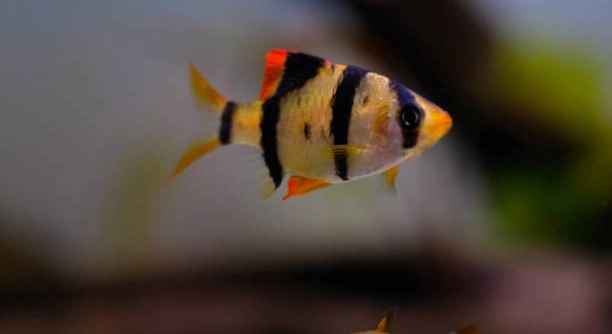
Barbs are popular freshwater fish known for their lively behavior and vibrant colors. Many aquarium keepers watch closely for signs that a barb is about to spawn, as it can impact tank dynamics and care routines. Understanding these signs can help maintain a healthy environment for all fish.
Barbs typically show spawning readiness through physical changes such as intensified coloration, swollen bellies, and increased activity. Males often chase females and display courtship behaviors, while females prepare by developing a rounder abdomen filled with eggs. These indicators signal the imminent spawning event.
Recognizing these signs helps aquarists prepare their tanks and supports the wellbeing of both the parents and their future offspring. Observing barb behavior can reveal important clues about their reproductive cycle.
Physical Changes in Barbs Before Spawning
Barbs exhibit clear physical signs when they are about to spawn. One of the most noticeable changes is a deepening or brightening of their colors, especially in males. This color change signals readiness to mate and attracts females. Females often show a swollen belly as eggs develop inside them. This rounded shape becomes quite distinct compared to their usual appearance. Additionally, their fins may become more pronounced or flare out during this period. These changes can help aquarists identify which fish are preparing to spawn. Watching for these signs allows you to anticipate spawning activity and adjust tank conditions accordingly. It also helps prevent aggression, as some barbs may become territorial when ready to breed. Ensuring the tank has plenty of hiding spots and plants can reduce stress during this time. Recognizing physical changes is a straightforward way to understand your barbs’ reproductive cycle without needing complex equipment or tests.
Physical changes are the most direct signs that spawning is near, making it easier to monitor your barbs closely.
Setting up the tank for spawning is essential once physical signs appear. Maintaining clean water with stable temperature and pH helps encourage breeding. Adding fine-leaved plants or spawning mops provides safe places for eggs. Reducing feeding slightly can improve water quality and mimic natural conditions. Careful observation during this stage helps ensure successful spawning without disturbing the fish. Preparing the environment creates better conditions for both the adults and the developing eggs.
Behavioral Signs of Impending Spawning
Barbs also show clear changes in behavior before spawning. They often become more active and swim vigorously around the tank. Males may chase females, nudging them gently as part of courtship. This chasing can sometimes seem aggressive but is a natural part of their mating routine. Pair bonding might appear as the fish spend more time together in specific areas of the tank. Increased digging or searching through substrate is another sign that they are ready to spawn. Watching these behaviors allows for early detection of spawning activity and gives aquarists a chance to support the process. Creating a calm and safe environment during this time reduces stress and encourages natural breeding behavior. Observing behavioral cues is as important as noticing physical changes to understand your barbs’ readiness to reproduce.
Environmental Triggers for Spawning
Changes in the tank environment often trigger spawning in barbs. Adjusting temperature, lighting, or water flow can encourage breeding behavior.
Barbs respond well to a slight increase in water temperature, usually around 75–78°F (24–26°C). Gradually raising the temperature mimics seasonal changes, signaling that it’s time to spawn. Lighting should also follow a natural day-night cycle, with about 10–12 hours of light per day. Introducing gentle water movement can simulate natural currents, which barbs find stimulating for spawning. Keeping these factors steady after adjustments helps maintain fish health and supports successful breeding.
Tank cleanliness and water quality are crucial for spawning. Frequent water changes remove waste and toxins that can harm eggs or stress the fish. Using soft, slightly acidic water can also help replicate natural conditions where barbs usually breed. Adding live plants or spawning mops provides surfaces for egg deposition. Maintaining these environmental factors creates an optimal setting for barbs to spawn naturally and thrive.
Preparing for Fry Care
Successful spawning is only the first step; preparing for fry care is equally important. Fry require specific conditions and diets to grow strong and healthy.
After spawning, adults may eat their eggs or fry, so removing the parents or using a breeding tank can improve fry survival rates. Fry thrive in clean water with gentle filtration to avoid injury. Frequent small feedings of finely crushed flakes, baby brine shrimp, or specialized fry food are necessary to support their rapid growth. Monitoring water parameters daily helps prevent spikes in ammonia or nitrites, which are harmful to young fish. Preparing for fry care ahead of time ensures a better chance of raising healthy barbs and supports the next generation’s success.
Signs of Nesting Behavior
Barbs begin preparing specific areas in the tank for egg laying. They may clear plants or substrate to create a safe spot. This behavior is a clear signal that spawning will happen soon.
Nesting often involves digging or moving gravel around. Males may guard these spots more aggressively, showing protective behavior as they get ready for the eggs.
Changes in Appetite Before Spawning
Barbs sometimes eat less or become picky just before spawning. This reduced appetite helps their bodies focus on reproduction and egg development. It’s important to monitor feeding closely during this period to avoid overfeeding and maintain water quality.
Identifying Egg-Laying Sites
Barbs prefer to lay eggs on fine-leaved plants or flat surfaces. Providing these options encourages natural spawning. Recognizing these preferred spots helps you prepare to protect eggs and manage the tank properly during breeding.
How long does it take for barbs to spawn once they show signs?
Once barbs begin showing physical and behavioral signs of spawning readiness, actual spawning can occur within a few days to a week. The timing depends on tank conditions such as temperature, water quality, and lighting. When all environmental factors are optimal, spawning often happens sooner. Males intensify their chasing behavior, and females’ bellies swell as eggs mature, indicating that spawning is near. Keeping the tank stable during this period supports timely spawning.
Can barbs spawn without any environmental changes?
While barbs can sometimes spawn spontaneously, environmental triggers like temperature increases, lighting adjustments, and water changes greatly improve the chances. These changes mimic natural seasonal cues and encourage reproductive behavior. Without such triggers, spawning might be delayed or inconsistent. Consistent tank maintenance and a stable environment are essential for natural and healthy spawning cycles.
Do all barbs in a tank spawn at the same time?
Not necessarily. Individual barbs may reach spawning readiness at different times depending on their age, health, and social hierarchy. Some may spawn earlier, while others take longer to prepare. Dominant males often spawn first, followed by others as conditions remain favorable. Observing behavior helps identify which fish are ready and when to expect spawning events.
How can I protect eggs from being eaten by adult barbs?
Adult barbs often eat their eggs, which is natural behavior. To protect eggs, it’s best to remove the adults after spawning or use a separate breeding tank. Providing dense plants or spawning mops gives eggs places to stick and hide. Frequent water changes and gentle filtration also improve egg survival. Monitoring the tank closely during this time reduces egg loss and increases fry hatching success.
What should I feed barbs before and after spawning?
Before spawning, feeding high-quality, protein-rich foods like live or frozen brine shrimp, bloodworms, and specialized pellets can improve reproductive health. After spawning, feeding should focus on smaller, frequent meals of finely crushed flakes, baby brine shrimp, or fry food to support fry growth. Avoid overfeeding adults after spawning to maintain water quality and reduce stress on the fish.
Is it necessary to separate male and female barbs before spawning?
Separating males and females is generally not necessary before spawning but can be helpful in some cases to control breeding timing. Keeping them together in a well-maintained tank with proper environmental conditions often results in natural spawning. However, if aggression becomes problematic, temporary separation might reduce stress and injury.
How do I know if spawning was successful?
Successful spawning is usually indicated by the presence of eggs attached to plants, substrate, or spawning mops. Eggs are small, transparent, and slightly sticky. Within a few days, eggs will develop and show signs of embryo formation, such as darkening spots inside. After hatching, tiny fry should appear and begin swimming freely within about 3–5 days. Observing these stages confirms successful breeding.
Can barbs spawn in community tanks with other species?
Barbs can spawn in community tanks, but the presence of other species may threaten eggs and fry. Many fish will eat eggs or young fry if given the chance. Providing plenty of hiding spaces and dense plants helps protect offspring, but success rates tend to be higher in dedicated breeding tanks. Managing tankmates and monitoring behavior improves spawning outcomes.
What water parameters are ideal for barb spawning?
Barbs prefer slightly acidic to neutral water, with pH levels between 6.0 and 7.0, and soft to moderately hard water. Temperature should be steady between 75–78°F (24–26°C). Stable parameters without sudden fluctuations are crucial. Regular water changes and good filtration help maintain water quality, encouraging healthier spawning behavior and fry development.
How often do barbs spawn?
Barbs can spawn multiple times throughout the warmer months or under ideal conditions. Frequency depends on species, age, diet, and tank environment. Some barbs spawn every few weeks, while others may take longer breaks between events. Providing consistent care and favorable conditions encourages regular breeding cycles.
What are common problems during barb spawning?
Common problems include adults eating eggs, poor water quality harming fry, and stress from overcrowding or aggressive tankmates. Insufficient hiding spaces can increase egg predation. Improper temperature or pH levels may delay or prevent spawning. Monitoring these factors closely and adjusting tank conditions reduces issues and promotes successful breeding.
How can I encourage barbs to spawn more successfully?
To encourage spawning, maintain stable water conditions, provide suitable spawning sites like fine-leaved plants or spawning mops, and feed a nutritious diet rich in protein. Gradually raise the temperature and ensure a consistent light cycle. Reducing stress by limiting aggressive behavior and keeping a clean tank also supports breeding readiness and success.
When keeping barbs in an aquarium, understanding the signs that they are about to spawn is important. Noticing changes in their color, behavior, and environment helps you support their natural breeding process. Barbs show clear physical signs like brighter colors and swollen bellies when ready to reproduce. They also behave differently by becoming more active and chasing each other. These changes tell you that spawning is close, allowing you to prepare the tank and protect both the adults and their eggs.
Creating the right conditions for spawning is essential. Barbs need stable water temperature, clean water, and suitable places to lay eggs, such as fine-leaved plants or spawning mops. Adjusting the tank environment with gentle water flow and proper lighting mimics their natural habitat, encouraging them to breed. It is also important to monitor water quality closely during this time to avoid harmful toxins and to keep the fish healthy. Preparing for fry care by having the right food and safe space is equally important for successful breeding.
Keeping barbs healthy and stress-free throughout the spawning process improves the chances of success. Avoid overcrowding and reduce aggression by providing hiding spots and a calm environment. Watching for early signs of spawning helps you act in time to protect eggs from being eaten and to separate fry if needed. Following these steps makes breeding barbs easier and helps maintain a balanced aquarium where both adults and young fish can thrive. Understanding their spawning habits supports long-term fish health and enjoyment.

Hello,
If you enjoy the content that we create, please consider saying a "Thank You!" by leaving a tip.
Every little bit helps us continue crafting quality advice that supports the health, happiness, and well-being of pets around the world, for pets of all shapes, sizes, and species.
We really appreciate the kindness and support that you show us!