
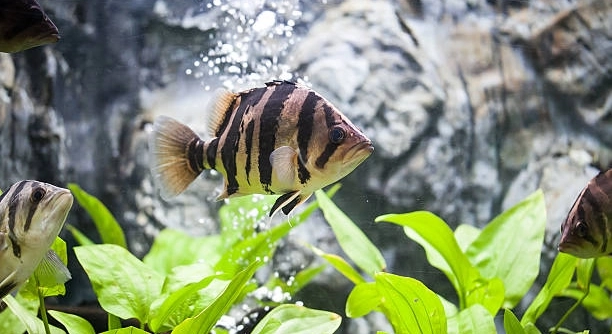
Barb chasing is a common behavior seen in certain pets, causing them to pull or chew their own fur or feathers. This can be frustrating for owners who want to help their animals feel comfortable and healthy. Understanding the causes of barb chasing is important for effective care.
Barb chasing often results from stress, boredom, or skin irritation. Identifying and addressing these underlying factors through environmental enrichment, proper diet, and medical care can significantly reduce this behavior in affected animals.
These seven tricks offer practical ways to help minimize barb chasing and improve your pet’s well-being in a straightforward, effective manner.
Create a Comfortable Environment
Making your pet’s environment calm and safe can greatly reduce barb chasing. Pets often react to loud noises, sudden movements, or cramped spaces by pulling their fur or feathers. Providing a quiet, spacious area where they feel secure helps lower their stress levels. Soft bedding, gentle lighting, and familiar items can comfort your animal. Regular cleaning and maintenance of the space prevent irritants like dust or pests that might cause itching or discomfort. Spending time near your pet in this space can also reassure them. Small changes, such as adding hiding spots or perches, give your pet options to relax and avoid feeling trapped. This environment adjustment is a simple but effective way to prevent behaviors linked to anxiety and boredom, supporting your pet’s overall health and happiness.
Pets that feel safe are less likely to chase their barbs. A calm environment helps keep stress at bay.
A well-organized habitat goes beyond just comfort. It also stimulates natural behavior and reduces boredom. When pets have varied toys, perches, or foraging options, they focus on these instead of their own fur. Rotating toys and adding new elements keeps their minds active. Environmental enrichment prevents repetitive behaviors by filling their day with engaging activities. It is also important to monitor temperature and humidity, as uncomfortable conditions can trigger skin irritation and increase barb chasing. Observing your pet’s reactions to different setups will guide you in creating the best environment for their needs. This simple step encourages healthier behavior and improves your pet’s quality of life.
Provide a Balanced Diet
A balanced diet is essential to reduce barb chasing. Poor nutrition can lead to skin problems, making your pet more likely to pull their fur or feathers. Feeding high-quality food that meets all nutritional needs supports healthy skin and coat. Vitamins, minerals, and fatty acids play a crucial role in maintaining fur or feather strength. Supplements like omega-3 fatty acids can help if your pet’s diet lacks them. Avoid foods that cause allergies or sensitivities, as these often lead to itching and discomfort. Fresh water should always be available. Regularly changing your pet’s diet without proper guidance can cause digestive issues, which may worsen stress and barb chasing. Consulting a vet about the best diet plan ensures your pet gets what it needs. Proper nutrition strengthens your pet’s overall health and reduces behaviors linked to discomfort.
Feeding your pet well nourishes their skin and fur, helping to lower barb chasing over time.
Regular Exercise and Mental Stimulation
Exercise helps reduce stress and boredom, two common triggers of barb chasing. Daily physical activity keeps your pet’s mind and body engaged. Without enough exercise, pets may turn to repetitive behaviors like barb chasing to pass the time or relieve anxiety.
Physical activity can include playtime with toys, climbing structures, or supervised outdoor time. Mental stimulation through puzzle feeders or training sessions also challenges your pet’s brain. Combining these activities prevents frustration and reduces the urge to pull fur or feathers. Consistent routines make a big difference, helping your pet stay balanced and less prone to stress-related behaviors.
Exercise and stimulation also promote overall health. Pets with regular movement tend to have better sleep and improved mood. These benefits create a positive cycle, making barb chasing less frequent and easier to manage.
Address Medical Issues Promptly
Medical problems often cause discomfort that leads to barb chasing. Skin infections, parasites, or allergies can make your pet itchy and restless. Timely veterinary care identifies and treats these issues early.
Ignoring symptoms can worsen the problem and increase barb chasing behavior. Treatments may include medication, topical creams, or changes in diet to reduce allergic reactions. Regular health check-ups help catch problems before they escalate. Observing changes in your pet’s skin, behavior, or appetite signals when a vet visit is necessary. Early intervention reduces pain and stress, supporting quicker recovery and a calmer pet. Preventing medical causes is a key step in managing barb chasing effectively.
Minimize Stress Triggers
Stress can increase barb chasing, so it’s important to identify what causes anxiety. Changes in routine, loud noises, or new people can make your pet uneasy.
Reducing these triggers by maintaining consistency and creating a calm environment helps your pet feel more secure and less likely to engage in harmful behaviors.
Use Positive Reinforcement
Reward calm behavior with treats or affection to encourage good habits. Positive reinforcement helps your pet learn what actions are acceptable without punishment.
Consistent rewards for calm and relaxed moments strengthen trust and reduce anxiety-related behaviors. Over time, your pet will associate positive experiences with being calm instead of chasing barbs.
Groom Regularly
Regular grooming keeps your pet’s fur or feathers healthy and reduces loose strands. This lowers the temptation to pull at their own coat.
Grooming also allows you to spot early signs of skin irritation or injury, helping prevent barb chasing from starting.
What is barb chasing behavior?
Barb chasing is when pets, such as birds or rodents, pull, chew, or bite their own feathers or fur. This behavior often happens repeatedly and can cause damage to their coat or skin. It is usually a sign that something is wrong, like stress, boredom, or health issues. Understanding why it happens helps owners take steps to reduce it.
Why do pets chase their barbs?
Several reasons cause barb chasing. Stress is a major factor, often from changes in environment or lack of interaction. Boredom also plays a role when pets don’t have enough activities to keep them busy. Skin irritation or medical conditions can make pets itchy, prompting them to pull at their fur or feathers. Poor diet and lack of exercise add to the problem.
Can barb chasing be harmful?
Yes, barb chasing can lead to serious harm. Pets may create wounds or infections by pulling at their skin. It can also cause bald patches, making them vulnerable to cold or sunburn. The behavior sometimes worsens if left untreated, affecting both the pet’s physical and mental health. Early action is key.
How do I know if my pet’s barb chasing is due to stress?
Look for other signs of stress such as changes in appetite, lethargy, or unusual vocalizations. If your pet acts differently after loud noises, new people, or routine changes, stress might be the cause. Keeping a calm and consistent environment can help reduce stress-related barb chasing.
Can diet alone stop barb chasing?
Diet is important but usually not enough on its own. Proper nutrition supports skin and coat health, reducing irritation that causes barb chasing. However, addressing other causes like stress, boredom, and medical issues is also necessary. Combining good diet with care and enrichment offers the best chance to stop barb chasing.
Is grooming helpful for preventing barb chasing?
Regular grooming is helpful because it removes loose fur or feathers that pets might otherwise pull. Grooming also lets you check your pet’s skin for signs of irritation or injury. Keeping the coat clean and healthy reduces the urge to chase barbs, especially when combined with other strategies.
What should I do if my pet has bald patches from barb chasing?
If bald patches appear, it’s important to visit a veterinarian to rule out infections or allergies. Treating underlying medical problems will help healing. In the meantime, keep your pet comfortable and avoid stress triggers. Preventing further damage with collars or protective clothing might be recommended.
How can I keep my pet mentally stimulated to prevent barb chasing?
Offer a variety of toys and activities that challenge your pet’s mind. Puzzle feeders, training sessions, or new objects to explore keep your pet engaged. Changing toys regularly prevents boredom. Mental stimulation reduces anxiety and distracts your pet from pulling at their fur or feathers.
Can environmental changes reduce barb chasing?
Yes, creating a calm, safe environment reduces stress and anxiety. Soft lighting, quiet spaces, and familiar items help pets feel secure. Avoid sudden changes and loud noises. Adding hiding spots or perches offers your pet options to relax, lowering the risk of barb chasing.
When should I seek professional help for barb chasing?
If barb chasing continues despite your efforts, or if your pet shows signs of injury, illness, or severe stress, consult a veterinarian or animal behaviorist. Professionals can identify medical issues, recommend treatments, and guide you on behavior management to help your pet recover.
Barb chasing can be a challenging behavior for both pets and their owners. It often signals that something is not quite right, whether it’s stress, boredom, or a health issue. Understanding the reasons behind this behavior is the first step toward helping your pet feel more comfortable and secure. By paying attention to your pet’s environment, diet, and physical and mental needs, you can reduce the triggers that cause barb chasing. Small changes can make a big difference in improving your pet’s well-being and preventing further damage.
Taking care of your pet’s health is essential in managing barb chasing. Regular veterinary check-ups can catch medical problems early, such as skin infections or allergies, that might be causing discomfort. Alongside medical care, providing a balanced diet and ensuring your pet gets enough exercise and mental stimulation supports their overall health. These factors work together to reduce anxiety and boredom, which are often behind repetitive behaviors like barb chasing. When your pet feels healthy and engaged, they are less likely to pull at their fur or feathers.
Reducing barb chasing takes time and patience. It is important to be consistent with the changes you make, whether that means adjusting your pet’s environment, improving their diet, or introducing new activities. Positive reinforcement helps encourage good behavior, while a calm, stable space helps lower stress. Keep observing your pet closely and adjust your approach if needed. With steady effort and care, you can help your pet feel safer, happier, and less likely to chase their barbs.

Hello,
If you enjoy the content that we create, please consider saying a "Thank You!" by leaving a tip.
Every little bit helps us continue crafting quality advice that supports the health, happiness, and well-being of pets around the world, for pets of all shapes, sizes, and species.
We really appreciate the kindness and support that you show us!