
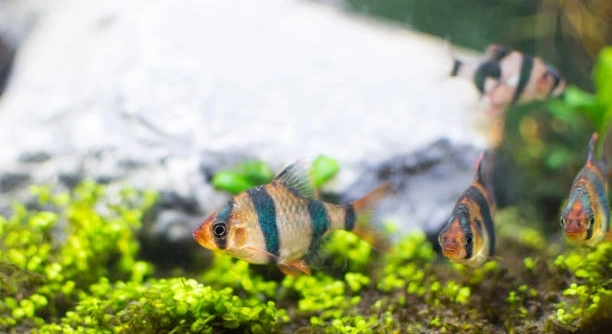
Tiger barbs are popular aquarium fish known for their lively behavior and tendency to swim in groups. Sometimes, however, they may choose to stay apart and avoid schooling. This behavior can confuse many fish keepers.
Tiger barbs might refuse to school due to stress, illness, or unsuitable tank conditions. Environmental factors like water quality, tank size, and the presence of aggressive tank mates can influence their schooling habits significantly.
Understanding why tiger barbs separate helps improve their care and creates a better environment for these active fish. This article explains common reasons behind their behavior and what to do about it.
Common Reasons Tiger Barbs Refuse to School
Tiger barbs often swim together in groups as a natural behavior for safety and social interaction. When they stop schooling, it usually signals a problem in their environment or health. Stress is a major factor that can cause this change. Stress might come from poor water quality, sudden changes in temperature, or overcrowded tanks. Illness can also make tiger barbs less active and unwilling to join the group. If one or more fish are sick, they tend to isolate themselves. Aggressive tank mates can disrupt schooling too. When other fish chase or nip at tiger barbs, the barbs may avoid swimming close together to escape conflict. Even changes in tank decorations or lighting can affect their comfort and schooling habits. Paying attention to these factors helps identify why your tiger barbs are not schooling and improves their wellbeing.
Maintaining stable water conditions and a peaceful tank environment reduces stress for tiger barbs, encouraging natural schooling behavior.
Keeping the tank stable and calm supports the tiger barbs’ natural instincts to swim in groups. Adjusting water temperature, cleaning filters, and avoiding aggressive fish can help restore schooling. If illness is suspected, isolating sick fish and treating them promptly prevents spread and stress. Providing enough space and hiding spots makes the fish feel safe. Small improvements in care often lead to noticeable changes in behavior, bringing your tiger barbs back to schooling as they prefer.
Tank Conditions Affecting Schooling
Water quality plays a big role in how tiger barbs behave. Poor water conditions cause stress and can stop schooling.
High levels of ammonia, nitrites, or nitrates in the water make tiger barbs uncomfortable. If the water is dirty or not changed regularly, fish health declines, leading them to avoid swimming together. Temperature fluctuations also cause stress, as tiger barbs prefer stable temperatures around 74-78°F (23-26°C). Overcrowding is another problem; too many fish in one tank limit swimming space and increase aggression, both of which break up schools. Ensuring clean, stable water with enough room is key to encouraging schooling.
Regular water testing and partial water changes improve conditions. Keeping the tank at a comfortable temperature and not overstocking supports healthy social behavior among tiger barbs.
Illness and Its Impact on Behavior
Sick tiger barbs often isolate themselves from the group to conserve energy and recover. This causes a breakdown in schooling.
Common illnesses such as ich, fin rot, or bacterial infections weaken fish, making them less active and less likely to swim with others. Infected fish may show visible signs like spots, torn fins, or sluggish movements. Early detection is important to prevent spread and to help fish heal quickly. Quarantining affected fish and treating the tank with appropriate medications can reduce illness impacts. Stress from illness also lowers immune response, so maintaining good water quality and nutrition supports recovery. Understanding signs of sickness helps keep the whole school healthy.
When tiger barbs are healthy and comfortable, they naturally return to schooling and display lively behavior.
Aggression from Tank Mates
Aggressive fish can cause tiger barbs to stop schooling. When bullied, tiger barbs avoid group swimming to stay safe.
Certain species may nip or chase tiger barbs, breaking up their natural school. Aggression stresses the barbs and changes their behavior.
Importance of Proper Tank Size
Tiger barbs need enough space to swim freely. A small or crowded tank limits movement and disrupts schooling behavior.
Providing at least 20 gallons for a small group helps them feel comfortable. More space reduces stress and aggression, encouraging natural social habits.
Environmental Changes
Sudden changes in the tank environment can confuse tiger barbs. New decorations, lighting, or rearranged plants may cause them to separate.
Maintaining a stable, familiar setup helps tiger barbs feel secure and more willing to school.
FAQ
Why do tiger barbs suddenly stop schooling?
Tiger barbs may stop schooling because of stress, illness, or changes in their environment. Poor water quality, aggressive tank mates, or overcrowding can cause them to feel unsafe. Sudden changes like new decorations or lighting also disrupt their comfort. When fish feel stressed or unwell, they tend to isolate themselves instead of swimming in groups.
How can I tell if my tiger barbs are sick?
Signs of sickness include loss of appetite, sluggish swimming, faded colors, torn fins, or white spots on their bodies. If you notice these symptoms, it’s important to check water conditions and isolate the affected fish. Treating the illness early can prevent it from spreading to other fish.
What is the ideal tank size for tiger barbs to school properly?
A minimum of 20 gallons is recommended for a small group of tiger barbs. Larger tanks are better, especially if you keep more fish. Having enough space helps reduce aggression and stress, allowing the barbs to swim freely and school naturally.
Can tiger barbs school with other fish species?
Tiger barbs can school with other peaceful fish that share similar swimming habits and water needs. However, aggressive or slow-moving species may stress tiger barbs and prevent schooling. It’s best to choose compatible tank mates and observe their interactions closely.
How often should I clean the tank to encourage schooling?
Regular maintenance is key. Partial water changes of about 20-30% every week or two help keep water clean and stable. Clean filters and remove leftover food or waste regularly. Good water quality reduces stress and promotes healthy social behavior in tiger barbs.
Does temperature affect tiger barbs’ schooling behavior?
Yes, temperature changes can disrupt schooling. Tiger barbs prefer temperatures between 74°F and 78°F (23°C to 26°C). Sudden drops or rises can stress them and cause them to separate. Keeping the temperature stable supports their natural behavior.
What should I do if tiger barbs are being bullied by other fish?
If aggression is high, consider removing or isolating the aggressive fish. Rearranging tank decorations can help break established territories and reduce bullying. Adding more hiding spots gives tiger barbs places to retreat, helping them feel safer and more willing to school.
Can diet impact whether tiger barbs school or not?
While diet mainly affects health, poor nutrition can weaken fish and reduce their energy to school. Feeding a balanced diet with high-quality flakes, pellets, and occasional live or frozen foods keeps tiger barbs healthy and active, encouraging natural schooling behavior.
Is it normal for tiger barbs to sometimes swim alone?
Occasionally, yes. Tiger barbs may separate briefly when resting or exploring. However, if they consistently refuse to school, it usually indicates a problem with health, stress, or environment that needs attention.
How can I encourage tiger barbs to start schooling again?
Ensure water quality is good and stable, keep tank mates peaceful, and provide enough space and hiding spots. Avoid sudden changes in the tank and maintain a steady temperature. Healthy, comfortable tiger barbs will naturally return to schooling behavior over time.
Tiger barbs are lively fish that usually enjoy swimming together in groups. When they stop schooling, it can be a sign that something is wrong in their environment or with their health. Many factors affect their behavior, such as water quality, tank size, illness, and the presence of other fish. Understanding these factors is important for anyone keeping tiger barbs because it helps create a better home for them. Paying attention to these details can make a big difference in how comfortable and happy the fish feel in the tank.
Water quality is one of the most important things to keep stable. Poor water conditions can cause stress and illness, which may lead tiger barbs to separate from their group. Regular water changes and testing help keep the tank clean and healthy. It is also important to keep the temperature steady and avoid overcrowding the tank. When fish have enough space and clean water, they are more likely to behave naturally and school together. Providing a calm environment without aggressive tank mates also helps the fish feel safe and secure.
If tiger barbs stop schooling, it’s a good idea to check their health and surroundings. Illness can cause fish to become weak and isolate themselves. Early treatment of sickness and maintaining good care routines can help bring them back to normal behavior. Small changes, like adding hiding places or rearranging decorations, may also improve their comfort. By understanding why tiger barbs refuse to school, fish keepers can take simple steps to support their fish and enjoy watching their lively, social behavior once again.

Hello,
If you enjoy the content that we create, please consider saying a "Thank You!" by leaving a tip.
Every little bit helps us continue crafting quality advice that supports the health, happiness, and well-being of pets around the world, for pets of all shapes, sizes, and species.
We really appreciate the kindness and support that you show us!