
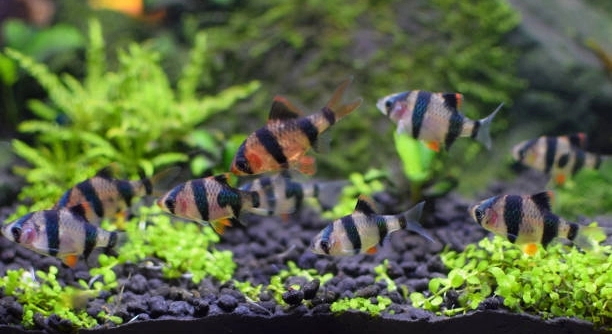
Do you ever find yourself unsure if your energetic tiger barbs can handle a tank that’s calm, slow-moving, and quiet?
Tiger barbs are naturally active and thrive in dynamic environments, but they can survive in quieter tanks if their social and environmental needs are still met.
Knowing what makes tiger barbs comfortable is the first step to keeping them healthy, even in less busy setups.
Natural Behavior of Tiger Barbs
Tiger barbs are active fish that enjoy movement and interaction. In the wild, they swim in fast-moving streams and stay in groups for comfort and safety. This behavior carries over into home aquariums, where they prefer open space, moderate current, and plenty of activity. If a tank is too quiet or still, tiger barbs may become bored or stressed. They are also known for their playful but sometimes aggressive nature, especially when kept alone or in small numbers. For them to feel secure and stimulated, it’s best to provide tankmates, moderate lighting, and things to explore. A quiet tank can still meet their needs if it has the right setup, including hiding spots and some flow to mimic their natural environment. Keeping them in a group of six or more helps reduce aggressive behavior and supports natural schooling behavior, which is key to their comfort.
Tiger barbs do not require loud or chaotic tanks, but they do need stimulation.
In a calm tank, consider adding floating plants and soft water movement from a filter. These small changes offer enough activity to keep tiger barbs alert. Also, try to maintain a regular feeding schedule, as they are responsive to routine and structure.
Adapting Your Tank for Tiger Barbs
A quiet tank can still work if you make thoughtful adjustments.
To help tiger barbs adjust to a more peaceful environment, begin by focusing on the tank layout. Choose décor that encourages swimming and exploration, like driftwood or smooth rocks with open spaces. Add a moderate current using an adjustable filter or gentle air stone. Tiger barbs appreciate water movement, and this also helps keep oxygen levels steady. Since they are active swimmers, leave open areas for them to dart through, while including some plants or decorations for hiding. Group size matters too—keep at least six barbs together to lower the chance of fin-nipping or stress. You don’t need to make the tank noisy, just provide balance. Even in a quiet setup, a bit of activity from tankmates or slight water flow can keep your tiger barbs calm and stimulated. These adjustments allow them to adapt well and stay healthy in less active environments.
Common Signs of Stress in Quiet Tanks
When tiger barbs are stressed, they may stop eating, hide more often, or chase tankmates. Their colors can also fade slightly. These signs are more likely to show up when the tank is too quiet or doesn’t have enough stimulation for their active nature.
If you notice your tiger barbs acting less playful or spending time away from the group, this can signal discomfort. In quiet tanks, fish that are normally social may isolate themselves. Keep an eye on how they move—sluggish swimming or constant hiding can mean something isn’t right. Bright, active tiger barbs should always be moving together and responding to activity in the tank. Reduced appetite is another clear sign that stress may be affecting them. Ensuring they have space to swim, consistent water movement, and enough interaction from other fish helps reduce these problems and keeps their behavior normal.
Changes in color are another sign that should not be ignored. If tiger barbs appear pale or washed out, they may not be thriving. In quieter tanks, light changes and low stimulation can cause their stripes to fade. Regular observation helps you spot these small details. If stress is caught early, small changes to the environment—like adding plants or soft movement—can help.
Environmental Adjustments That Help
Start by gently increasing the flow of water using a sponge filter or a soft air bubbler. These small tools create movement without making the tank too loud or harsh. Floating plants also work well in calm tanks, as they add cover and a feeling of security.
Creating a healthy balance in a quiet tank doesn’t need to be difficult. Start by choosing tankmates that are peaceful but active enough to keep things from becoming too still. Fish like danios or cherry barbs can complement tiger barbs without increasing aggression. Keep lighting on a steady schedule, as consistency helps them feel safe. Avoid strong, direct lighting that can cause stress in still tanks. Try offering different types of food, such as flakes in the morning and live or frozen treats at night. Feeding variety keeps tiger barbs stimulated. Also, move decorations around from time to time. Simple layout changes make the environment feel fresh and interesting for them without adding stress.
Choosing the Right Tankmates
Peaceful, active fish are best for quiet tanks with tiger barbs. Look for species that won’t provoke aggression, like cherry barbs, corydoras, or white cloud minnows. Avoid slow or long-finned fish, as tiger barbs may nip at them.
The right tankmates keep the environment active without becoming overwhelming. Having other fish swimming around helps tiger barbs stay social and engaged. This prevents boredom and reduces the chance of stress-related behavior, even in a quieter setup.
Feeding Habits That Support Activity
Feeding routines should be consistent and varied. Tiger barbs enjoy flake food, pellets, and occasional live or frozen options like brine shrimp or bloodworms. A regular feeding schedule helps reduce stress, especially in low-activity tanks. Offer food two to three times daily in small portions. Spread it out in different areas to encourage swimming and natural foraging behavior. Changing the type of food throughout the week keeps their diet balanced and prevents them from becoming disinterested. When fed correctly, tiger barbs remain active and alert, even in calm tanks. Healthy feeding habits support their energy levels and overall well-being.
When to Rethink a Quiet Setup
If tiger barbs continue to show signs of stress despite adjustments, it may be time to reconsider the tank environment. A livelier setup might better match their energy and social needs.
FAQ
Can tiger barbs live in a community tank with slow-moving fish?
It’s not ideal. Tiger barbs are fast and active, which can stress out slower fish. They may also nip fins, especially if the other fish have long fins like angelfish or bettas. While some setups can work, it usually leads to conflict or stress. If you want a peaceful community, it’s better to choose tankmates that move quickly and can handle the pace. This helps keep both the tiger barbs and the other fish calm and healthy.
How many tiger barbs should be kept together to reduce stress?
The best group size is six or more. Tiger barbs are schooling fish and feel safer when they have others of their kind nearby. A larger group helps spread out any aggressive behavior and keeps them socially engaged. When kept in small numbers, they often chase or nip each other and other fish. With a bigger group, they form a proper school, which makes their behavior more balanced. This helps lower stress and makes them more enjoyable to watch.
Do tiger barbs need strong water flow in their tank?
No, but they do need some movement. In the wild, they swim in rivers with light to moderate currents. A filter that creates gentle flow is usually enough. Strong flow can make them uncomfortable or push them around. Use adjustable filters or sponge filters to control movement. The key is to avoid a tank that feels completely still, as that may not give them enough stimulation. A bit of flow keeps them alert and supports their natural swimming patterns.
Can I keep tiger barbs in a planted tank?
Yes, and they actually do well in planted tanks. Plants provide shelter, reduce stress, and offer areas to explore. Choose hardy plants like Java fern, Anubias, or Vallisneria, as tiger barbs may nibble softer ones. Floating plants are a great option too. They help diffuse the light and make the tank feel less open, which tiger barbs appreciate. Just make sure the plants don’t crowd the swimming space—they still need room to move freely.
What are some signs that my tiger barbs are unhappy in a quiet tank?
Look for reduced activity, pale colors, loss of appetite, or increased aggression. If they hide a lot or avoid swimming in groups, they may be uncomfortable. In a quiet tank, lack of stimulation can lead to boredom, and that often shows through in behavior. Small changes, like adding flow or rearranging the layout, can help. It’s important to notice these signs early and make adjustments so your fish stay healthy and active.
Do tiger barbs get bored in calm environments?
Yes, they can. Tiger barbs are naturally active and curious. Without enough stimulation, they might become sluggish or nip at other fish out of frustration. A calm tank is fine if you provide things to do—like live food to chase, open space to swim, and changes to their surroundings. Rotating decorations or adding temporary barriers gives them something new to explore. They don’t need chaos, but they do need movement and interaction.
Can lighting affect how tiger barbs behave in a quiet tank?
Yes, lighting matters. Bright, harsh light can stress them, especially in still tanks. In quiet environments, try to use soft or filtered lighting. Floating plants help break up direct light, making the tank feel safer and more natural. Keep a regular light cycle—about 8 to 10 hours a day—to maintain a routine. Sudden changes or intense light can make them skittish. Balanced lighting helps tiger barbs feel secure, especially when the tank lacks other forms of activity.
What types of food help keep tiger barbs active in low-stimulation tanks?
Try offering live or frozen food like bloodworms, daphnia, or brine shrimp. These foods take longer to eat and require the fish to move around more, which helps mimic natural hunting behavior. Pellets and flakes are fine for everyday feeding, but rotating in different food types adds interest. Feeding small amounts more often during the day also gives them something to do. A varied diet supports both physical health and mental stimulation.
Are there certain tank layouts that work better for tiger barbs in quieter setups?
Yes, aim for a layout with open space in the center and plants or décor around the edges. This gives tiger barbs space to swim while still offering places to hide or rest. Use rocks, driftwood, or low plants to build structure, but don’t clutter the tank. Keeping the middle area clear encourages natural schooling behavior. Changing the layout every few weeks—just slightly—can also keep the tank interesting for them.
How long does it take for tiger barbs to adjust to a new or calm tank?
It usually takes about one to two weeks. During this time, keep lighting soft and avoid sudden changes. Don’t introduce too many fish or décor pieces at once. Let them settle and find their routine. Signs of adjustment include steady swimming, eating well, and returning to group behavior. If you notice any ongoing stress signs after two weeks, review your setup. Sometimes small changes—like adding more flow or tankmates—make a big difference.
Final Thoughts
Tiger barbs are active fish that enjoy movement, group interaction, and a bit of daily stimulation. While they are often kept in busy tanks, it is possible for them to live in quieter setups if certain needs are still met. A quiet tank does not have to be boring or empty. What matters most is creating an environment that feels safe and engaging for them. This includes group size, layout, water movement, and regular feeding. When those needs are addressed, tiger barbs can stay healthy and alert, even without a lot of noise or constant activity around them.
Choosing the right tankmates also makes a big difference. Calm fish that still swim around regularly can keep tiger barbs engaged without adding stress. The same is true for tank décor. Simple changes, like placing plants around the tank or leaving open space for swimming, can help create the balance they need. Regular observation is key—if you see changes in their behavior, you can respond early with small adjustments. These fish are adaptable, but they do rely on structure and stimulation to stay happy. A quiet tank can be a good fit as long as it doesn’t mean lifeless or empty.
If you’re thinking about keeping tiger barbs in a calm tank, it helps to plan carefully from the beginning. Start with a group of six or more, give them room to swim, and provide a mix of hiding spaces and gentle movement. Add floating plants to soften the light and use a consistent schedule for both lighting and feeding. These small steps support their natural behavior and reduce the risk of stress. With a thoughtful setup and regular care, tiger barbs can do well in peaceful tanks. They don’t need a loud or chaotic environment—just one that keeps them engaged and supported in the right way.

Hello,
If you enjoy the content that we create, please consider saying a "Thank You!" by leaving a tip.
Every little bit helps us continue crafting quality advice that supports the health, happiness, and well-being of pets around the world, for pets of all shapes, sizes, and species.
We really appreciate the kindness and support that you show us!