
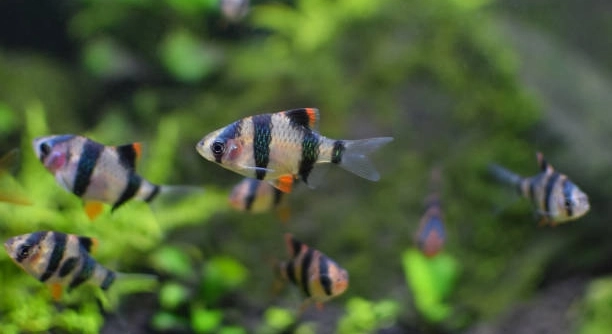
Are your tiger barbs ignoring the new food you’ve added to their tank, leaving it untouched and floating away?
The most common reason tiger barbs may ignore new food is unfamiliarity. Sudden dietary changes, texture differences, or lack of scent recognition can cause hesitation. Stress, poor water conditions, or illness can also contribute to reduced appetite.
Learning more about their feeding habits and environmental needs will help you make better choices for their health and feeding routine.
Common Reasons Tiger Barbs Refuse New Food
Tiger barbs are active and curious fish, but they can be surprisingly picky when it comes to changes in their meals. One common reason they ignore new food is simply because it’s unfamiliar. If the food looks or smells different from what they usually eat, they may hesitate. This can be even more noticeable if the food has a new texture, such as switching from flakes to pellets. Stress is another major factor. If the tank environment has recently changed—like a new fish, altered water conditions, or even a tank cleaning—tiger barbs may stop eating temporarily. Illness can also lead to loss of appetite, especially if the fish seem less active or show signs like clamped fins. Lastly, poor water quality affects their appetite. If ammonia or nitrite levels are high, they might ignore food altogether. Regular testing and consistency in feeding are important for keeping them interested.
Sometimes tiger barbs need time to adjust. If everything else in the tank is stable, give them a few days to explore the new food.
Try offering a small amount at first, removing any leftovers to avoid fouling the water. You can also mix the new food with a bit of their usual type to encourage them.
Encouraging Healthy Eating Habits
Give your tiger barbs a consistent feeding schedule. Feeding them at the same time each day helps them form a routine and know when to expect food. This can make them more likely to try new items over time.
Introduce new foods slowly. Tiger barbs may be more likely to eat unfamiliar food if you reduce other food options slightly during feeding. Keep portions small and remove uneaten food after a few minutes. Too much leftover food will not only cloud the water but also affect your fish’s health. Try sticking with one new food at a time for a few days before switching again. Watch for signs that they’re curious—like nibbling or swimming around the food. This means progress. Offering a variety over time, such as live, frozen, or gel-based foods, can help build a more balanced diet. A healthy, low-stress tank environment with clean water, hiding spots, and proper lighting will support good feeding behavior overall.
Observing Behavior and Tank Conditions
Watch how your tiger barbs act around the new food. If they swim near it but don’t eat, they may still be adjusting. If they ignore it completely, something in the tank may be causing stress or discomfort that affects their appetite.
Look for changes in behavior, like hiding more than usual, fin clamping, or swimming erratically. These can be signs that something is off in the tank. Check water parameters, especially ammonia, nitrite, and pH levels. Even small shifts can impact how your fish feel and behave. Make sure your filter is running well and the tank is clean. Also, avoid overfeeding, as uneaten food lowers water quality quickly. Keep tank lights on a consistent schedule and limit sudden disturbances. Stability helps tiger barbs feel safe, which can make them more open to trying new foods over time.
Tiger barbs are social and feel more comfortable in groups. If they are kept alone or in a small group, stress levels can rise. Make sure they have at least five tankmates to feel secure. Add some hiding spots using plants or decorations, which can reduce tension in the tank. A calm, balanced environment often leads to more active and responsive feeding behavior. When tiger barbs feel safe, they are more likely to explore and eat different foods. Keep observing and adjusting as needed.
Using Food Variety Strategically
Start with foods that closely match what your tiger barbs already like. Try different forms, such as pellets, flakes, or frozen options with similar ingredients. Slowly work in new textures or flavors once they accept the basics.
Alternate between two or three types of food during the week. This keeps their interest up and helps them get used to variety. If they refuse something new, don’t offer it again immediately. Give it a few days before trying again, and mix it with a small amount of familiar food to make it more appealing. You can also soften dry food with tank water to change the texture slightly. Avoid sudden changes in feeding routines. Keep a calm, quiet setting during feeding times so they feel secure. Stick to foods made for tropical fish, and always check expiration dates to make sure the food is fresh and safe.
Signs Your Tiger Barb May Be Unwell
Loss of appetite can be an early sign of illness. If your tiger barb is avoiding food, look for other symptoms like faded color, clamped fins, or sluggish swimming. These changes often mean something is affecting their health.
Check for any signs of bloating, white spots, or rapid gill movement. These may point to infections or parasites. If you suspect illness, isolate the fish and consult a vet or aquarium specialist. Early action can help prevent the issue from spreading to other fish.
When to Try a Different Approach
If your tiger barb keeps ignoring the food after several days, it might be time to switch to something more enticing. Try live or frozen options like brine shrimp or bloodworms. These can often trigger a feeding response even in stressed fish. You can also try soaking dry food in garlic juice, which can help stimulate appetite. Just be sure not to overfeed. If nothing works after testing several options, consider checking for hidden problems in the tank or asking for professional advice. A fresh approach combined with a calm, stable setup often leads to better results.
Avoiding Long-Term Feeding Issues
Feeding habits form over time, so staying consistent and observant makes a big difference.
FAQ
Why won’t my tiger barbs eat new food even though they seem healthy?
Even healthy tiger barbs can be picky. If the food looks, smells, or feels different, they might not recognize it as something edible right away. They may also be used to a routine and resist sudden changes. Try offering the new food alongside their usual type. Keep the portions small to avoid waste and give them a few days to adjust. Make sure tank conditions are stable, as even small changes can affect feeding habits. If they’re active and behaving normally, give them time to become familiar with the new option.
How long can tiger barbs go without eating?
Tiger barbs can usually go about 5–7 days without eating if they are healthy and the tank is in good condition. This isn’t ideal, but it happens sometimes when introducing new food. If your fish looks alert and active, you can wait a few days before trying a different food. However, if they go longer than a week or start looking thin or tired, check for stress or illness. Offering a small amount of a favorite food can help confirm if it’s just the new food they’re avoiding or if there’s a deeper issue.
Is it okay to feed tiger barbs only flakes?
Flakes can be a good base, but it’s better to offer a varied diet. Feeding only flakes long-term may not give your tiger barbs all the nutrients they need. Rotate in pellets, frozen foods, and live foods to provide balance. This also helps keep them engaged at feeding time. Flakes tend to float, so using foods that sink can encourage more natural feeding behavior. Just make sure you remove any leftovers quickly to keep the water clean. Balanced diets lead to better health, color, and activity in your tiger barbs.
Why do my tiger barbs spit out food?
Spitting out food doesn’t always mean rejection. Tiger barbs sometimes “test” their food first. If they’re new to the food’s texture, they may chew and spit a few times before deciding. It could also mean the food is too big or hard. Try breaking it into smaller pieces or softening it with a few drops of tank water. If they continue spitting it out over several feedings, it might be time to try a different brand or type. Watch their reactions closely to figure out what they prefer.
Do tiger barbs eat at the top or bottom of the tank?
Tiger barbs are mid-level swimmers but will go to the surface or bottom if the food draws them there. Flakes that float may attract them to the top, while sinking pellets or live food can pull them lower. Try offering food that moves through different parts of the tank so they stay active and engaged. This also allows all fish in a group to get a fair share. If they ignore food at the top, try switching to slow-sinking varieties to match their natural feeding habits more closely.
Can stress cause tiger barbs to stop eating?
Yes, stress is a major reason tiger barbs stop eating. It can come from poor water quality, sudden tank changes, aggressive tankmates, or even loud sounds near the aquarium. Even a small disturbance can throw them off. If your barbs aren’t eating, test the water, check for signs of aggression, and give them a quiet environment to recover. Adding a few hiding spots or plants can also make them feel safer. Once they settle, they’re more likely to return to their usual eating habits.
How do I know if the new food is safe for my tiger barbs?
Always check that the food is made for tropical freshwater fish. Look for brands with clear ingredient lists and expiration dates. Avoid anything with lots of fillers or artificial dyes. If the food has a strong chemical smell or is past its date, toss it. You can also read reviews or ask at a local fish store before trying something new. Offer only a small amount at first and watch how your tiger barbs react. If they seem interested and active, it’s likely a good fit for them.
Should I soak dry food before feeding it to tiger barbs?
Soaking is optional but can be helpful. It softens the food, which makes it easier to chew and digest. This is especially useful for smaller or younger tiger barbs. Just use tank water, not tap water, to avoid any sudden changes in chemistry. Let the food soak for 1–2 minutes before adding it to the tank. This also helps prevent bloating or floating food that breaks down too fast. Not every fish needs soaked food, but it’s a useful step if they’re spitting it out or seem uninterested.
Final Thoughts
Feeding tiger barbs can feel a bit frustrating when they suddenly ignore new food. But in most cases, the reason is simple—they need time to adjust. Like many fish, tiger barbs get used to routines and certain tastes. When something changes, they may take a while to accept it. That doesn’t always mean something is wrong. It could just be unfamiliar texture, smell, or shape. Watching them closely during this time is important. If they are swimming normally, staying active, and not showing signs of illness, there’s usually no need to worry right away. Sometimes all they need is a few days and a little patience.
It helps to make changes slowly. Try mixing the new food with the type they already know. Start with small portions and keep the feeding area calm and free of loud noises or tank changes. Make sure your water quality is steady and your tank has enough hiding spots. Even small things like tankmate behavior or bright lighting can affect their mood and appetite. Stick to a regular feeding time and keep observing their behavior. If they spit food out, it doesn’t always mean rejection. They might just be testing the texture or figuring out if it’s worth eating. Be patient, and don’t introduce too many new things at once.
Over time, most tiger barbs begin to accept a wider variety of food. A good diet includes flakes, pellets, live food, or frozen food. Offering a mix helps support their health and makes feeding more interesting for them. If they continue to refuse food after a week, it’s a good idea to double-check tank conditions or speak with an aquarium expert. But in most situations, it’s just about giving them time to adjust. Being calm and consistent with feeding will go a long way. Your tiger barbs will respond better when they feel safe and comfortable. A balanced tank and steady care can help turn picky eaters into eager ones, one meal at a time.

Hello,
If you enjoy the content that we create, please consider saying a "Thank You!" by leaving a tip.
Every little bit helps us continue crafting quality advice that supports the health, happiness, and well-being of pets around the world, for pets of all shapes, sizes, and species.
We really appreciate the kindness and support that you show us!