
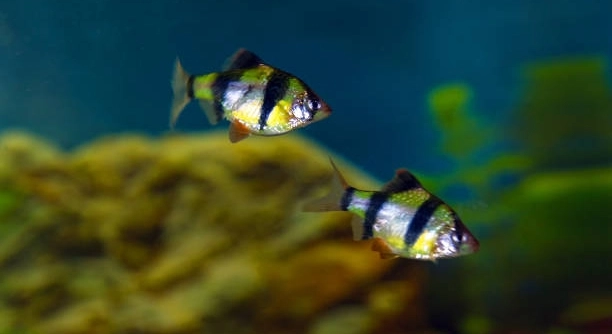
Tiger barbs are popular freshwater fish known for their lively behavior and striking colors. Many aquarium owners enjoy watching their interactions and often wonder about the bonds they form in their tanks. Understanding their social behavior can help create a better environment for them.
Tiger barbs do not form lasting friendships in the way mammals do, but they do establish social hierarchies and recognize familiar tank mates. Their interactions are mostly driven by territory and group dynamics rather than emotional bonds.
Learning how tiger barbs interact helps keep them healthy and reduces aggression in the tank. This article explains their social habits and what to expect when keeping them together.
How Tiger Barbs Communicate with Each Other
Tiger barbs use body language and movement to communicate within their group. They often chase or nip at one another, which can seem aggressive but helps establish a clear social order. This behavior is common and usually not harmful when the group is balanced. When new fish are added, the barbs may increase these actions until they accept the newcomers. Their striped patterns and bright colors also play a role in signaling status. Dominant fish tend to show more vivid colors, which can help reduce physical fights by showing strength visually. Overall, their communication is more about maintaining structure than building emotional connections. Understanding these signals can help tank owners manage their group better and avoid unnecessary stress or injury among the fish.
Recognizing these behaviors lets you know when your fish are simply interacting or when there might be a problem that needs addressing.
Proper tank size and group dynamics are essential to support their communication habits and reduce aggression. Providing enough space allows each fish to have its own area, helping maintain peace.
Social Structure and Group Behavior
Tiger barbs thrive best in groups of six or more, as this helps spread out aggressive behavior and creates a more natural environment. Smaller groups or solitary barbs tend to be more stressed and can become overly aggressive toward tank mates. Within a group, a hierarchy forms, with dominant fish taking the lead and others falling into place beneath them. This hierarchy helps reduce constant fighting because everyone understands their place. The fish don’t form close bonds but do recognize who is part of the group. Changes in the group, like adding or removing fish, can disrupt this balance and increase aggression temporarily. Observing your tank carefully during these times can help you intervene if problems arise. Feeding time and swimming patterns can also show how well the group is settling together. Keeping the environment stable and peaceful is key to healthy tiger barb behavior.
Signs of Stress and Aggression in Tiger Barbs
When tiger barbs feel stressed or threatened, they often display increased aggression, such as frequent chasing or nipping at other fish. You might notice torn fins or constant hiding from more dominant tank mates. Changes in color, like dullness, can also indicate stress.
Stress in tiger barbs usually comes from overcrowding, small tank size, or incompatible tank mates. Poor water quality or sudden changes in the environment can also trigger aggression. Observing your fish closely will help you catch early signs and adjust their conditions accordingly. Sometimes adding plants or hiding spots can reduce stress by giving fish places to escape. Ensuring a balanced group size prevents dominance battles from becoming harmful, keeping the tank calmer and healthier.
Aggression might also happen during feeding, as tiger barbs are competitive eaters. Feeding smaller amounts more frequently helps reduce fights. Avoiding overly aggressive species nearby will create a peaceful tank environment.
How to Keep Tiger Barbs Healthy and Calm
A well-maintained aquarium with proper filtration and regular water changes is essential for tiger barbs’ health. Stable water parameters keep them comfortable and less likely to show stress behaviors. Tank size should be at least 30 gallons for a small group to allow room for swimming and territorial space.
Adding plants and decorations provides shelter and reduces tension. It helps break up sightlines, so fish don’t feel constantly watched or chased. Feeding a varied diet of flakes, pellets, and occasional live food keeps them strong and vibrant. Avoid sudden changes in their environment or diet, as this can cause stress. Regular observation lets you spot issues early and keep the group balanced and calm over time.
Ideal Tank Conditions for Tiger Barbs
Tiger barbs need clean, well-filtered water with a temperature between 74°F and 79°F. Keeping a stable environment reduces stress and supports their natural behavior. Regular water changes of about 25% weekly help maintain water quality and clarity.
A slightly acidic to neutral pH, around 6.5 to 7.0, suits tiger barbs best. Avoid sudden changes in water parameters, as these can upset the fish and cause aggression or illness.
Choosing Compatible Tank Mates
Tiger barbs are semi-aggressive and do well with other fast, similarly sized fish. Avoid slow-moving or long-finned species, as barbs tend to nip at fins. Good companions include danios, rasboras, and other barbs.
When selecting tank mates, consider the temperament and size to reduce stress and keep harmony in the tank. Mixing with peaceful but quick fish usually works best.
Feeding Tiger Barbs
Offer a varied diet including high-quality flakes, pellets, and occasional live or frozen foods like bloodworms. This variety supports their health and vibrant colors. Avoid overfeeding to prevent water quality issues.
Regular, small feedings help maintain energy without causing aggression during mealtime.
Do tiger barbs recognize each other?
Tiger barbs can recognize familiar tank mates to some extent. They respond differently to fish they see often versus new additions. While this recognition isn’t emotional like in mammals, it helps reduce constant fighting within a stable group. Familiar fish tend to be less aggressive toward one another after the social order is set.
Are tiger barbs aggressive toward other fish?
Yes, tiger barbs have a semi-aggressive nature. They may nip at slower or long-finned fish, causing stress or injury. Aggression usually comes from establishing dominance or defending territory. Keeping them in groups of six or more helps spread out this behavior and reduces the chance of a single fish being targeted.
How many tiger barbs should be kept together?
It is best to keep tiger barbs in groups of at least six. Smaller groups tend to become aggressive and stressed, as the social structure is not well balanced. Larger groups allow the aggression to be shared among many, making it less harmful. A 30-gallon tank or larger supports such groups comfortably.
Do tiger barbs form bonds with other species?
Tiger barbs don’t form close bonds with other fish species. Their interactions are mostly based on territory and group dynamics. However, they can coexist peacefully with compatible species that match their activity level and temperament, such as danios or rasboras.
What causes fin nipping in tiger barbs?
Fin nipping is often a sign of boredom, overcrowding, or stress. When tiger barbs lack enough space or stimulation, they may nip at fins to assert dominance or release energy. Providing a larger tank, plants, and hiding spots helps reduce this behavior. Also, avoiding slow or long-finned tank mates prevents excessive damage.
How can I reduce aggression in my tiger barbs?
To reduce aggression, keep a proper group size and tank size. Adding plants and decorations breaks sightlines and gives fish places to hide. Feeding multiple small meals can also lessen competition during feeding time. Avoid mixing them with very passive or slow fish that may become targets.
Do tiger barbs need a special diet?
Tiger barbs do well on a varied diet that includes high-quality flakes, pellets, and occasional live or frozen foods. This variety supports their health and keeps their colors bright. Avoid overfeeding, as leftover food can reduce water quality and increase stress.
How long do tiger barbs live?
With proper care, tiger barbs typically live 5 to 7 years. Maintaining clean water, good nutrition, and a stress-free environment helps them reach their full lifespan. Monitoring their health regularly allows early detection of illness.
Can tiger barbs live alone?
Tiger barbs do not thrive alone. They are social fish that rely on group interactions to feel secure. Keeping a single tiger barb often leads to stress, lethargy, and increased aggression. Always keep them in groups to support natural behavior and well-being.
What tank size is ideal for tiger barbs?
A tank of at least 30 gallons is ideal for a small group of tiger barbs. This size allows enough space for swimming and helps reduce territorial disputes. Larger tanks are even better if you plan to keep more fish or add decorations for hiding spots.
How often should I change the water for tiger barbs?
Perform a partial water change of about 25% weekly. Regular water changes keep the environment clean and stable, which is vital for tiger barb health. Avoid changing too much water at once, as sudden changes can stress the fish.
Are tiger barbs suitable for beginners?
Tiger barbs can be suitable for beginners who are prepared to maintain stable tank conditions and manage their semi-aggressive behavior. They need a proper group size, clean water, and compatible tank mates to thrive. Beginners should monitor them closely and learn about their specific needs.
Tiger barbs are lively and interesting fish that bring energy to a community tank. They have clear social behaviors that help them live together in groups, but these behaviors don’t mean they form deep friendships like some animals. Instead, tiger barbs create a social order through chasing and nipping, which helps them know their place in the group. This order keeps the group balanced and reduces constant fighting. Understanding this helps fish owners create a better environment for their barbs and keep stress low in the tank.
Caring for tiger barbs means providing the right tank conditions, such as enough space, clean water, and good hiding places. It is important to keep them in groups of six or more so that aggression is spread out and less harmful. Overcrowding or small tanks can increase fighting and stress. Also, choosing compatible tank mates is key because tiger barbs tend to nip at slower or long-finned fish. A balanced diet with variety supports their health and keeps their colors bright. Paying attention to their behavior, especially during feeding and changes in the tank, helps prevent problems before they become serious.
In the end, tiger barbs need a stable environment and the right social setup to do well. They don’t form lasting bonds but do recognize familiar fish and settle into a social structure. For anyone keeping tiger barbs, knowing these facts can make a big difference in how peaceful and healthy the fish stay. With the right care, tiger barbs can live happily for several years, adding life and movement to the aquarium without constant stress or aggression. Taking the time to meet their needs results in a thriving group that is enjoyable to watch.

Hello,
If you enjoy the content that we create, please consider saying a "Thank You!" by leaving a tip.
Every little bit helps us continue crafting quality advice that supports the health, happiness, and well-being of pets around the world, for pets of all shapes, sizes, and species.
We really appreciate the kindness and support that you show us!