
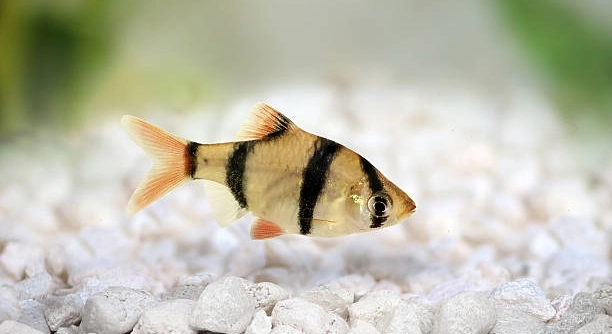
Do your tiger barbs tend to swim near the top of the tank, leaving you wondering if this behavior is normal or concerning?
Tiger barbs may school near the top due to environmental factors such as low oxygen levels, poor water circulation, or feeding habits. This behavior is often a response to water conditions rather than social dynamics alone.
Understanding why this happens can help you adjust your tank setup and improve your fish’s overall well-being in their aquatic home.
Common Reasons Tiger Barbs Stay Near the Top
Tiger barbs often swim near the top when something in their tank feels off. One of the most common reasons is low oxygen levels. If the water isn’t well-aerated, they’ll naturally move to the surface where oxygen is more available. This can also happen if the filter isn’t strong enough or if there’s not enough surface movement. Another possible reason is feeding behavior—tiger barbs are active fish and often associate the top of the tank with food. So if they’re fed at the surface, they may spend more time there. Temperature changes or water quality issues like high ammonia or nitrite can also cause stress, pushing the fish toward the top. When this behavior becomes frequent, it’s a sign to test the water and check the setup. Watching their swimming patterns closely can help you respond early to any changes in their environment.
A sudden shift in swimming behavior is usually their way of signaling discomfort or stress in the tank.
Sometimes, it’s just a feeding routine. If you always feed them at the surface, they’ll associate that area with food and spend more time there. This habit can become part of their daily behavior, even if nothing is wrong.
What You Can Do to Help
The first step is checking your tank’s oxygen levels. Make sure your filter is running properly and creating enough surface movement to allow for gas exchange.
If the filter seems fine, try adding an air stone or adjusting the filter’s flow to increase water movement. Also, check the water parameters using a test kit. Ammonia, nitrite, or pH imbalances can stress your fish. A partial water change can help reset the balance and ease discomfort. If the temperature is too high, oxygen levels may drop. Keep the tank in a stable, moderate range—usually around 74–78°F for tiger barbs. Feeding patterns matter, too. Try scattering food across the surface and mid-level to discourage them from always gathering near the top. Creating more stimulation in the tank with plants or décor can also reduce surface-hugging habits by encouraging natural exploring behaviors. Watching for other symptoms like rapid gill movement or clamped fins can help you decide if further changes are needed.
How Tank Setup Influences Swimming Behavior
Tank layout can affect how tiger barbs swim. A crowded or bare tank may lead them to stick to certain areas, including the top. They prefer space to explore and feel more secure when there’s cover throughout the tank.
If your tank has limited decorations or plants, your tiger barbs might feel exposed in the middle or bottom sections. Adding tall plants, driftwood, or rocks can create safe zones, encouraging them to swim more freely across all levels. Bright lighting can also drive them to the top if they’re avoiding overlit spots below. Try using floating plants to soften the light and give them shaded areas. Current direction plays a role, too. If the flow is too strong in lower areas, they may avoid it by swimming higher. Small changes in tank design often lead to more natural and relaxed swimming patterns for tiger barbs.
Proper spacing between decorations also matters. Tight clusters or uneven layouts can limit movement and force your fish into narrow zones. A well-balanced layout should allow swimming loops without sharp stops. Give your barbs the chance to feel secure but also active. A varied and open layout can reduce stress and support healthier swimming behaviors overall. Keeping decorations balanced from top to bottom helps.
Water Conditions Play a Big Role
Poor water quality can make tiger barbs uncomfortable, leading them to swim near the surface. High ammonia or nitrite levels are harmful and often cause stress. Clean, balanced water helps them feel safe at all levels of the tank.
Test kits can help you stay on top of changes. A sudden shift in pH, rising nitrate levels, or unstable temperature can affect how your fish behave. Regular partial water changes, a good filter, and proper feeding schedules keep the tank stable and comfortable.
Feeding Habits Can Shape Behavior
Feeding routines shape how your tiger barbs use the tank. If food is always dropped at the surface, they’ll naturally spend more time near the top. Changing how and where food is delivered can help. Try using sinking pellets or gently scattering flakes in different areas. Mixing things up encourages natural foraging and helps them explore mid and lower levels more often. Also, avoid overfeeding, as leftover food affects water quality and may keep them searching at the top more than needed. Consistency in feeding times and food type can also bring more balanced swimming activity throughout the tank.
Stress from Other Fish Matters
Aggressive or overly active tank mates can push tiger barbs to less crowded areas. Staying near the top may be their way of avoiding conflict or constant chasing.
FAQ
Why do tiger barbs school near the top only sometimes?
Tiger barbs may school near the top when conditions change, such as during feeding or when oxygen levels drop. This behavior isn’t constant but depends on the environment and their needs at the time. If the water quality is good and food is scattered evenly, they usually spread out more.
Is it normal for tiger barbs to gasp at the surface?
Gasping at the surface can signal low oxygen in the water or poor water quality. While some surface activity is normal, frequent gasping means you should check aeration, temperature, and water parameters right away. Improving circulation and oxygen levels usually helps.
How can I increase oxygen levels in my tank?
You can increase oxygen by adding an air stone, improving filter flow, or creating surface movement. Avoid overcrowding the tank, and keep the water clean through regular changes. Cooler water holds more oxygen, so keeping temperature stable is important.
Can stress cause tiger barbs to swim near the top?
Yes, stress from tank mates, poor water conditions, or sudden changes can make tiger barbs seek refuge near the top. They may feel safer away from aggressive fish or strong currents. Reducing stressors improves their comfort and encourages normal swimming behavior.
Do tiger barbs prefer certain tank decorations?
Tiger barbs appreciate plants, rocks, and hiding spots. These create a balanced environment, giving them places to explore and rest. A well-decorated tank with varied levels encourages movement throughout, reducing time spent just at the surface.
Will changing feeding habits affect their swimming?
Yes. Feeding only at the top encourages barbs to stay there. Using sinking pellets or spreading food across the tank helps them explore more and swim at different depths. Balanced feeding habits support healthier, more natural behaviors.
How often should I test my tank water?
Testing once a week is ideal, especially for ammonia, nitrite, nitrate, and pH. Regular testing helps catch problems early. Keeping the water stable supports the health of tiger barbs and reduces unusual behaviors like surface schooling.
Can poor water temperature cause surface swimming?
Yes. Warmer water holds less oxygen, which can push fish to the surface for air. Keeping the tank between 74°F and 78°F helps maintain good oxygen levels. Sudden temperature swings also stress fish and affect their swimming.
Is it okay if tiger barbs only swim at the top during feeding?
This is normal behavior. Tiger barbs quickly associate food with the surface. They’ll often gather there during feeding times but usually spread out afterward. Watching their behavior after feeding can tell if other issues are present.
How many tiger barbs should be kept together?
Tiger barbs are schooling fish and do best in groups of six or more. A larger group helps distribute their energy and reduces aggression. Keeping fewer can increase stress and unusual swimming behaviors, including staying near the surface.
Tiger barbs are active and social fish that naturally move around the tank in groups. When they swim near the top, it usually points to specific reasons like water quality, oxygen levels, or feeding habits. Understanding these reasons helps ensure your fish stay healthy and comfortable in their environment. Regularly checking water parameters and maintaining good tank conditions are simple but effective ways to support their well-being. Paying attention to their behavior can prevent small issues from becoming bigger problems.
Creating a balanced tank setup also plays a big role in how your tiger barbs behave. They feel safer and more relaxed when the tank has enough plants, hiding spots, and open swimming areas. This encourages them to spread out rather than crowd the surface. Changing feeding routines to include food at different levels helps too, as it encourages natural foraging behavior. Taking small steps to improve the tank environment makes a noticeable difference in how your fish act and thrive.
Overall, watching your tiger barbs closely and adjusting their care as needed will help you enjoy their lively personalities. Their tendency to school near the top isn’t always a sign of a problem, but it should not be ignored either. With consistent care and a well-maintained tank, you can create a healthy home where your tiger barbs feel safe and swim freely throughout all areas. This attention to their needs leads to happier fish and a more enjoyable aquarium experience.

Hello,
If you enjoy the content that we create, please consider saying a "Thank You!" by leaving a tip.
Every little bit helps us continue crafting quality advice that supports the health, happiness, and well-being of pets around the world, for pets of all shapes, sizes, and species.
We really appreciate the kindness and support that you show us!