
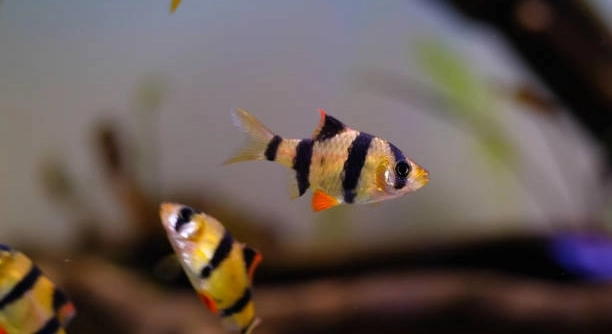
Are your barb tanks looking a bit dull or less lively than you’d like? Many fish owners want to improve the health and happiness of their barbs with simple changes. Small upgrades can make a big difference in their well-being.
Improving a barb tank’s health involves focusing on water quality, diet, and environment. Upgrading filtration, adjusting feeding habits, and adding live plants are proven ways to create a balanced and healthier habitat for barbs, reducing stress and promoting natural behavior.
These easy changes can transform your tank and help your barbs thrive in a happier, healthier space.
Upgrade Your Filtration System
A clean and efficient filtration system is essential for keeping your barb tank healthy. Barbs produce waste that can quickly pollute the water, causing stress and illness. Upgrading to a high-quality filter helps remove toxins and maintain clear water. Consider using a filter with mechanical, chemical, and biological filtration for the best results. Mechanical filtration traps debris, chemical filtration removes harmful substances, and biological filtration supports beneficial bacteria that break down waste. Regular filter maintenance is also important; cleaning or replacing filter media keeps it working effectively. Proper filtration improves oxygen levels, which your barbs need to stay active and healthy. If your tank is small, choose a filter rated for a slightly larger volume to avoid overworking the system. Investing in good filtration creates a stable environment where barbs can thrive without frequent water changes, saving time and effort.
Keeping your filter clean and efficient directly improves water quality and reduces stress on your fish.
Good filtration supports a balanced ecosystem inside the tank. When toxins build up, fish can become lethargic or sick. A strong filter keeps ammonia and nitrites at safe levels, which is critical for barb health. You might also notice clearer water and less odor. Some filters include adjustable flow settings, which help barbs swim comfortably since they prefer moderate water movement. Adding a sponge pre-filter can protect small fish and fry from being sucked in. Overall, upgrading filtration is one of the easiest ways to ensure your barbs live in a clean, safe environment.
Add Live Plants for Natural Benefits
Live plants improve water quality by absorbing nitrates and producing oxygen. They provide hiding spots that reduce barb stress and encourage natural behavior. Plants also enhance the tank’s appearance, making it more enjoyable to watch. Adding fast-growing plants like hornwort or java moss helps keep algae in check and creates a balanced habitat for your fish.
Improve Your Feeding Routine
Overfeeding is a common mistake that harms barb health. Feeding small amounts twice a day prevents leftover food from polluting the water. Using high-quality pellets or flakes designed for barbs ensures they get proper nutrition without excess fillers.
Barbs thrive on a balanced diet that includes protein, plant matter, and vitamins. Avoid feeding only one type of food, as it can lead to nutritional gaps. Supplementing their diet with occasional treats like bloodworms or brine shrimp supports growth and vibrant colors. Removing uneaten food quickly helps maintain water quality and prevents harmful bacteria growth. Monitoring how much your barbs eat and adjusting portions keeps them healthy and energetic.
Consistency in feeding times helps barbs develop regular habits. Barbs can become stressed if food is irregular or if tankmates compete too aggressively for food. Providing multiple feeding spots or spreading food throughout the tank reduces competition. Healthy feeding routines also improve barb behavior and overall tank harmony.
Maintain Stable Water Temperature
Barbs need a stable water temperature between 74°F and 78°F to stay healthy. Sudden changes can weaken their immune system and increase disease risk. Using a reliable heater with a thermostat keeps the temperature steady.
Fluctuating temperatures stress barbs and affect their metabolism. When water is too cold, barbs become sluggish, while too warm water lowers oxygen levels and causes faster waste buildup. Regularly checking your tank’s temperature ensures the heater is working properly and helps you catch problems early. Keeping the tank away from drafts or direct sunlight prevents sudden temperature swings. Maintaining stable conditions supports strong immune systems and encourages active, healthy behavior in barbs.
Choose the Right Tank Size
Barbs need enough space to swim and grow. A tank that is too small causes stress and aggressive behavior. At least 20 gallons is recommended for a small group of barbs to thrive comfortably.
Providing ample space supports natural schooling behavior and reduces territorial fights. Crowded tanks often lead to poor water quality and health problems.
Use a Good Substrate
Choosing the right substrate helps maintain water quality and supports plant growth. Fine gravel or sand works well for barb tanks because it is gentle on their barbels and allows root systems to establish.
Add Decorations for Hiding Spots
Barbs feel safer with places to hide. Adding rocks, caves, or driftwood gives them shelter and reduces stress. Providing hiding spots mimics their natural environment and encourages natural behavior, making them more active and less aggressive.
FAQ
How often should I clean my barb tank?
Cleaning your barb tank regularly keeps the environment healthy. Partial water changes of about 20-30% every one to two weeks help remove waste and toxins. Avoid changing all the water at once because sudden shifts can stress your fish. Clean the substrate gently to remove leftover food and debris, but don’t disturb beneficial bacteria too much. Rinse filter media in tank water during maintenance to preserve helpful bacteria while keeping the filter effective. A consistent cleaning schedule keeps water quality high and barbs healthy.
What is the best diet for barbs?
Barbs need a balanced diet with proteins, plant matter, and vitamins. High-quality pellets or flakes designed for barbs provide essential nutrients. Supplement with live or frozen foods like bloodworms, brine shrimp, or daphnia to boost protein and color. Vegetables like blanched spinach or zucchini add fiber and nutrients. Feeding small amounts two to three times daily prevents overfeeding and water pollution. Varying their diet supports growth, energy, and overall health.
Can I keep different species of barbs together?
Yes, many barb species can live peacefully together if the tank is large enough and conditions are stable. Keep similar-sized barbs to avoid bullying. Mixing species with different temperaments may cause aggression. Adding plenty of hiding spots and maintaining good water quality reduces stress. Monitor the fish closely to catch any signs of fighting early. Grouping barbs in schools of at least six also helps balance social behavior and keeps the tank calm.
How do I prevent diseases in my barb tank?
Maintaining clean water and a stable environment is the best defense against diseases. Regular water changes and good filtration reduce harmful bacteria and parasites. Avoid overcrowding, as it increases stress and illness risk. Quarantine new fish before adding them to the tank to prevent introducing infections. Observe your barbs daily for signs of illness like faded colors, spots, or unusual swimming. Treat problems early with appropriate medication and adjust tank care as needed.
Is it necessary to have a heater in a barb tank?
Most barb species thrive in temperatures between 74°F and 78°F, so a heater is important to maintain this range. Without a heater, room temperature fluctuations can stress the fish and weaken their immune systems. Use a reliable heater with a thermostat to keep water stable. Place the heater near water flow for even temperature distribution. Regularly check the temperature to avoid sudden changes that harm barbs.
What kind of lighting should I use for a barb tank?
Moderate lighting is best for barb tanks, especially if you have live plants. Too much light encourages algae growth, which can upset water balance. Too little light affects plant health and fish behavior. Use a timer to give the tank about 8-10 hours of light daily, simulating natural day and night cycles. Proper lighting supports plant growth and keeps your barbs active and colorful.
How many barbs can I keep in one tank?
A good rule of thumb is one inch of fish per gallon of water, but barbs are active swimmers and need more space. For example, a group of six small barbs should have at least a 20-gallon tank. Crowding increases stress, aggression, and water pollution. Providing enough space supports natural schooling and helps maintain water quality. Always consider the adult size of your barbs when planning tank population.
Why do my barbs nip at each other?
Barbs sometimes nip when stressed, crowded, or bored. Lack of hiding spots or insufficient space can cause this behavior. Adding plants, decorations, and increasing tank size can reduce aggression. Keeping barbs in groups of six or more helps spread aggression evenly, preventing one fish from being targeted. Regular feeding and maintaining water quality also lower stress levels, making nipping less frequent.
Can I keep barbs with other fish species?
Barbs can live with other peaceful, similarly sized fish if the tank is large and well-maintained. Avoid slow-moving or long-finned fish, as barbs may nip at them. Good tank mates include danios, tetras, and rasboras. Providing plenty of space and hiding spots helps reduce territorial disputes. Monitor interactions closely and separate fish if aggression occurs.
How do I encourage my barbs to breed?
To encourage breeding, maintain excellent water quality and stable temperature around 75°F. Provide live plants or spawning mops where barbs can lay eggs. Feed them high-protein foods like live or frozen bloodworms to improve health and fertility. Barbs often scatter eggs, so removing adults after spawning prevents egg predation. Lowering water hardness slightly can also stimulate breeding. Patience and careful tank management increase the chances of successful breeding.
Taking care of a barb tank can be simple when you focus on a few important upgrades. Small changes, like improving filtration, feeding better, and keeping the water stable, make a big difference in your fish’s health. Barbs need clean water, proper food, and enough space to swim comfortably. These basics help reduce stress and prevent illness, giving your barbs a better chance to live longer and stay active. Even small investments in your tank setup can lead to happier, healthier fish.
Adding live plants and decorations not only makes the tank look better but also creates a natural environment for barbs. Plants help clean the water by absorbing waste, while hiding spots help fish feel safe and reduce aggressive behavior. Barbs are social fish that enjoy being in groups, so providing enough space and places to explore keeps their natural behaviors intact. A good tank setup balances all these factors to support both fish and plant life, making it easier to maintain over time.
Maintaining a barb tank means being consistent with care and paying attention to the details. Regular water changes, feeding the right amounts, and checking the temperature keep the tank stable and healthy. It’s important to watch your barbs for any signs of stress or illness and act quickly if something seems wrong. Taking the time to make these simple upgrades creates a better home for your barbs and helps you enjoy the tank more. With steady care, your barb tank can become a beautiful and lively space where your fish thrive.

Hello,
If you enjoy the content that we create, please consider saying a "Thank You!" by leaving a tip.
Every little bit helps us continue crafting quality advice that supports the health, happiness, and well-being of pets around the world, for pets of all shapes, sizes, and species.
We really appreciate the kindness and support that you show us!