
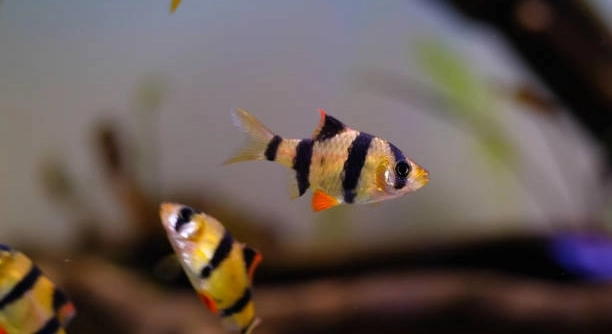
Tiger barbs are colorful and lively fish often kept in home aquariums. They are known for their playful behavior but can sometimes act aggressively. One common cause of this aggression is their reaction to reflections in the tank glass.
Tiger barbs may flare at their reflection because they mistake it for another fish invading their territory. This territorial behavior is a natural response to perceived competition or threat, triggering defensive displays like flaring their fins and chasing the reflection.
Understanding why tiger barbs react this way helps aquarium owners manage their tank environment better. This knowledge can improve both the fish’s well-being and the overall harmony in your aquarium.
Why Tiger Barbs See Their Reflection as a Threat
Tiger barbs are naturally territorial fish. In the wild, they defend their space against other fish that might compete for food or shelter. When they see their reflection in a tank, they don’t realize it’s themselves. Instead, they think it’s another fish invading their territory. This can cause them to flare their fins, chase the reflection, and even act more aggressively than usual. The glass acts like a mirror, confusing them and making them feel threatened. Because they cannot escape or get rid of this “intruder,” the behavior may continue for long periods. This can be stressful for the fish and sometimes cause harm if they become too aggressive.
Aggressive displays toward reflections are common in many fish species, not just tiger barbs.
Learning how to reduce this behavior helps keep your tank peaceful and your fish healthy. Adjusting tank placement or adding plants can reduce reflections and calm your tiger barbs.
How to Minimize Reflection Stress in Your Tank
Reducing reflections in the tank can lower your tiger barbs’ aggressive behavior.
Reflections happen because of light hitting the tank glass at certain angles. Positioning your aquarium away from direct sunlight or strong artificial light helps reduce glare. Using a background on the tank can block outside reflections. Plants, decorations, or darker tank walls also help break up mirror-like surfaces inside the tank. These changes create a more natural environment and make your tiger barbs less likely to see their reflection as a threat. Adding more tank mates can also distract them and lessen their focus on the reflection. Keeping the tank clean so the glass stays clear but not overly shiny is important as well. By making these small adjustments, you help create a calmer space for your fish to live and thrive.
Common Signs of Stress in Tiger Barbs
Stress in tiger barbs shows through changes in behavior and appearance. They may stop eating, hide more often, or act more aggressive than usual. Flaring at their reflection can be a sign they feel threatened or uneasy in their environment.
When tiger barbs are stressed, their colors may fade and their movements become less lively. They might also scratch against decorations or the tank walls, trying to escape discomfort. Prolonged stress can lead to weakened immune systems and illness. Watching how your fish behave daily can help you spot problems early. Adjusting the tank environment, like reducing reflections or improving water quality, is important to keep your fish healthy and calm.
Stress affects their overall health and can shorten their lifespan. It’s important to act quickly if you notice these signs to help your tiger barbs feel safe again.
Creating a Balanced Environment for Tiger Barbs
A balanced tank setup helps reduce stress and aggression in tiger barbs. Make sure the tank is large enough to give each fish enough space. Overcrowding causes competition and tension. Provide hiding spots with plants or decorations so they can retreat when needed. Proper filtration and regular water changes keep water clean, which reduces stress. Stable water temperature and pH levels are also essential for their well-being. Feeding a balanced diet keeps them strong and less prone to stress. A calm environment with minimal disturbances helps them feel secure and behave naturally. Taking these steps promotes a peaceful aquarium where your tiger barbs can thrive.
Managing Aggression Among Tiger Barbs
Aggression is natural in tiger barbs, but it can be managed. Providing enough space and hiding spots helps reduce fights. Avoid keeping too many tiger barbs in one tank to prevent overcrowding.
Keeping a balanced group with at least six fish spreads aggression out. This way, no single fish becomes a target.
The Role of Tank Mates in Reducing Reflection Aggression
Choosing the right tank mates can calm tiger barbs. Peaceful, fast-swimming fish distract them from their reflections. Avoid slow or shy species that might be stressed by aggressive behavior. Good tank mates help create a more balanced social environment and reduce tension caused by territorial displays.
Using Decorations to Break Up Reflections
Decorations like plants, rocks, and driftwood reduce reflections. They create visual barriers, making it harder for tiger barbs to see themselves. This helps lessen aggressive behavior caused by reflections.
Placing these items strategically improves the tank’s look and your fish’s comfort.
FAQ
Why do tiger barbs flare their fins at their reflection?
Tiger barbs flare their fins because they see their reflection as a rival fish. This triggers their natural territorial instinct, making them try to defend their space. They don’t realize it’s just their own image, so they respond with aggressive displays like fin flaring and chasing the “intruder.”
Is it harmful for tiger barbs to flare at their reflection?
Occasional flaring usually isn’t harmful, but constant stress from seeing their reflection can be. Prolonged aggression and stress may weaken their immune system, cause injuries, or lead to illness. It’s important to reduce reflections to protect their health and well-being.
How can I tell if my tiger barbs are stressed?
Signs of stress include faded colors, loss of appetite, hiding, and erratic swimming. They may also scratch against tank decorations or walls. Watching your fish’s normal behavior helps you spot changes early so you can take action.
What tank size is best for tiger barbs to reduce aggression?
A tank of at least 30 gallons is recommended for a small group of tiger barbs. Larger tanks give them enough space to establish territories without constant conflict. Overcrowding increases stress and aggression, so proper space is key.
Can adding more tiger barbs reduce aggression?
Yes, keeping tiger barbs in groups of six or more helps spread out aggression. When there are enough fish, no single individual is targeted constantly. This makes the group’s social interactions less stressful for each fish.
What kind of tank mates work best with tiger barbs?
Fast, peaceful fish that can handle the tiger barbs’ active nature are good choices. Avoid slow, shy, or long-finned fish, which can become targets. Suitable mates include danios, barbs of other species, or larger tetras.
How do tank decorations help with reflection problems?
Plants, rocks, and driftwood break up reflections on the glass by creating shadows and visual barriers. This makes it harder for tiger barbs to see themselves clearly, reducing the chance of flaring at their reflection.
Should I use a tank background to reduce reflections?
Yes, a dark or solid background reduces outside light reflections. This lowers glare on the glass, making reflections less visible. It’s an easy way to help calm your tiger barbs and improve their environment.
Does lighting affect tiger barb aggression?
Bright or direct lighting can increase reflections and make fish more visible to themselves, causing more aggression. Using soft, indirect lighting or adjusting light placement helps reduce this problem.
How often should I clean my tank to prevent stress?
Regular cleaning, about once a week for water changes and glass wiping, keeps the environment healthy. Clean water lowers stress and prevents algae buildup, which can increase reflections and irritate fish.
Can stress from reflections affect the lifespan of tiger barbs?
Yes, chronic stress weakens the immune system, making tiger barbs more prone to disease. Reducing stress from reflections and aggression helps ensure your fish live a longer, healthier life.
Are there any quick fixes if my tiger barbs keep flaring at reflections?
Quick fixes include repositioning the tank away from windows or bright lights and adding plants or decorations to block reflections. These simple changes can calm your fish while you work on longer-term solutions.
Tiger barbs are lively fish that bring energy and color to any aquarium. Their natural instincts can sometimes lead to aggressive behaviors, especially when they see their own reflection. This reaction is a common part of their territorial nature, and it can cause them stress if it happens too often. Understanding why tiger barbs flare at their reflection helps aquarium owners create a better environment for their fish. By reducing reflections, providing enough space, and choosing proper tank mates, you can help lower their stress levels and keep them healthier.
Creating a peaceful tank environment is important for tiger barbs to thrive. This includes having enough room for each fish to swim freely and establish their own space. Adding plants and decorations can break up reflections and give the fish places to hide when they feel threatened. Regular water changes and keeping the tank clean also play a key role in reducing stress. When tiger barbs feel safe and comfortable, they show their natural colors and behaviors without unnecessary aggression. This makes watching them much more enjoyable and helps maintain a calm aquarium.
Taking small steps to manage your tiger barbs’ environment can make a big difference in their well-being. It’s normal for them to react to reflections at first, but with patience and the right setup, this behavior can lessen. Paying attention to their signs of stress, such as changes in appetite or behavior, helps you know when adjustments are needed. By being mindful of these details, you create a home where your tiger barbs can live happily and healthily. This care not only benefits the fish but also makes keeping an aquarium a more rewarding experience.

Hello,
If you enjoy the content that we create, please consider saying a "Thank You!" by leaving a tip.
Every little bit helps us continue crafting quality advice that supports the health, happiness, and well-being of pets around the world, for pets of all shapes, sizes, and species.
We really appreciate the kindness and support that you show us!