
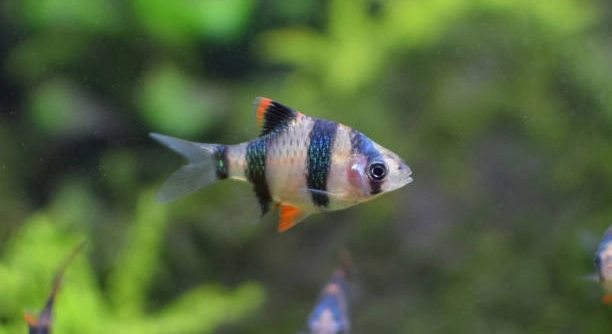
Do you ever find yourself watching your tiger barbs and noticing them flicking their fins more than usual in the tank?
Tiger barbs often flick their fins as a form of communication or stress response. Environmental changes, aggression, or parasites can trigger this behavior, making it important to observe their actions and tank conditions carefully.
Understanding the cause behind fin flicking can help you maintain a peaceful, healthy environment for your fish and avoid potential issues down the line.
Common Reasons Behind Fin Flicking
Tiger barbs flick their fins for several reasons, and one of the most common is stress. Changes in water conditions, like pH swings, ammonia spikes, or poor oxygen levels, can cause discomfort. This flicking may also appear if new tank mates are added, or if the tank is overcrowded. Aggression within the group—especially if one fish is being singled out—can lead to constant fin movement. Sometimes, it’s a reaction to external disturbances, like loud noises or sudden light changes. If the water temperature is not ideal, it can also contribute to fin flicking. Even small changes in the setup or routine can be enough to trigger this behavior. It’s important to monitor their environment closely and look for other signs like clamped fins, hiding, or a lack of appetite. These can help indicate whether the flicking is a harmless sign of activity or something to be concerned about.
Environmental stress is often the main trigger. Once the tank is stable and comfortable, the flicking tends to stop.
Some flicking is normal in active fish like tiger barbs. But if it becomes frequent or intense, it’s worth checking everything—water quality, temperature, stocking levels, and fish behavior—to rule out anything serious and keep things calm.
Signs of Parasites or Irritation
Frequent flicking can also mean your fish are irritated by something on their skin or gills.
If your tiger barbs are flicking often and rubbing against objects, it could be due to parasites like ich or flukes. These irritants may not always be visible right away, but they can cause serious discomfort if left untreated. You might also notice small white spots, fast breathing, or clamped fins. In some cases, fish isolate themselves from the group or become less active. This kind of behavior usually signals that something is wrong beneath the surface. Infections often spread quickly, especially in a shared tank. If you suspect parasites, it’s important to test the water, increase aeration, and start treatment if necessary. A quarantine tank can help stop the spread and give the affected fish a better chance to recover. Clean water and steady conditions will support their immune system as they heal. Early detection and action are key to stopping bigger issues later on.
Behavioral Causes That Might Be Overlooked
Fin flicking isn’t always a sign of illness. Sometimes, it’s just how tiger barbs interact. These fish are naturally active and social, and flicking can be part of their regular movement, play, or mild dominance displays.
In group settings, tiger barbs may flick their fins to establish a loose hierarchy. This behavior is more common in tanks with a mix of bold and shy individuals. You might see more flicking during feeding time or when new fish are introduced. It’s a way for them to signal territory or test boundaries. If there’s no chasing, nipping, or injury, this kind of behavior usually isn’t harmful. Keep an eye on group dynamics and make sure there are enough hiding spots and room to swim. Giving them a balanced environment with structure helps keep these interactions calm and reduces stress-related fin flicking caused by overcrowding or boredom.
Lighting and daily patterns can also affect fin flicking. Sudden changes in brightness or an inconsistent day-night cycle might confuse or startle your fish. Using a timer for your tank light can help keep things predictable and reduce unnecessary stress. A consistent routine supports natural behaviors and prevents confusion that may cause erratic movement.
What You Can Do to Help
Start with a full check of your tank setup. Test the water for ammonia, nitrite, nitrate, and pH. Make sure the temperature is stable.
If the flicking continues, do a partial water change and observe their behavior for the next few days. Clean the filter if needed and remove any uneaten food or waste. If you suspect parasites, consider adding aquarium salt or using a gentle treatment, but only after confirming symptoms. Try not to over-medicate—too many changes at once can do more harm than good. Quarantine any fish that show clear signs of infection. A stress-free, clean environment will do more to help them than anything else. Keep feeding consistent, and avoid sudden changes in food. Watch your tiger barbs closely for improvement, and adjust only if needed. Patience is important.
When Flicking Becomes a Concern
If the fin flicking is paired with hiding, loss of appetite, or fast gill movement, it could be a sign of illness. These changes should be taken seriously and checked quickly to avoid further problems.
Persistent flicking that doesn’t improve after water changes or treatment might need help from a vet or aquatic specialist.
Preventing Future Issues
Keep the tank clean, stable, and well-maintained. Regular water tests, weekly partial water changes, and consistent feeding routines will reduce stress. Add plants, hiding spots, and enough space for swimming. A peaceful tank setup can prevent many of the stress-related behaviors tiger barbs often show. Pay attention to tank mates, as some fish may not get along with tiger barbs and cause ongoing tension. Avoid overcrowding, and stick to compatible fish that match their energy. Give them a calm environment and plenty of stimulation, and fin flicking will likely stay within a normal, harmless range.
Final Thoughts
Watching your tiger barbs flick their fins can be completely normal—but it’s worth knowing when to step in.
Why do tiger barbs flick their fins so often?
Tiger barbs flick their fins to communicate and respond to their environment. It can mean they are stressed, curious, or trying to show dominance. Flicking may also happen if the water conditions are off or if they feel uncomfortable due to parasites or illness. Sometimes, it’s just a normal part of their active behavior.
Is fin flicking a sign of illness?
Not always. Occasional fin flicking can be normal, especially when they are active or exploring. But if it comes with other signs like clamped fins, lethargy, loss of appetite, or rubbing against tank objects, it might indicate parasites or poor water quality. In those cases, quick action is important to prevent illness.
How can I tell if flicking is due to stress?
Look for environmental issues like dirty water, sudden changes in temperature, or overcrowding. Stress flicking usually comes with other behaviors such as hiding, erratic swimming, or gasping at the surface. If these happen together, improving tank conditions can help reduce stress.
Can flicking mean aggression among fish?
Yes. Tiger barbs are known to be somewhat aggressive, especially in small groups or mixed tanks. Flicking can be a mild way to show dominance or warn other fish. Watch for chasing, nipping, or damaged fins—those are clearer signs of aggression needing intervention.
What water conditions help reduce fin flicking?
Stable temperature around 74-79°F (23-26°C), pH between 6.5 and 7.5, and clean water with low ammonia and nitrite levels are ideal. Regular partial water changes and good filtration keep the tank healthy and calm, lowering flicking caused by poor water quality.
Should I treat my fish if they flick their fins a lot?
Only if flicking is paired with other illness symptoms like white spots, rapid breathing, or lethargy. Start by testing and improving water quality. If parasites or infections are suspected, use appropriate treatments carefully. Avoid over-medicating to prevent additional stress.
How important is tank size for tiger barbs’ fin flicking?
Tank size matters a lot. Crowded tanks lead to stress and aggressive behavior, increasing fin flicking. A minimum of 20 gallons for a small group is recommended, with more space needed for larger groups. Enough room lets fish swim freely and establish peaceful social structures.
Can flicking be caused by tank mates?
Yes. Aggressive or incompatible fish can stress tiger barbs, causing flicking. Choose tank mates carefully, selecting species that tolerate the barbs’ active nature without provoking fights. Avoid slow-moving or long-finned fish, as they might get picked on.
How can I reduce fin flicking caused by boredom?
Provide plenty of hiding spots, plants, and decorations to keep them busy. A stimulating environment encourages natural behavior and reduces stress. Regular feeding routines and occasional enrichment, like floating plants or gentle water flow, help prevent flicking due to boredom or frustration.
What’s the best way to monitor fin flicking behavior?
Observe your fish daily, noting changes in frequency or intensity of flicking. Keep a simple journal to track water tests, feeding, and behavior. This helps spot patterns and catch problems early before they become serious. Early intervention is key to keeping tiger barbs healthy and happy.
Tiger barbs flick their fins for different reasons, and not all of them are cause for worry. Sometimes, flicking is just a part of their natural behavior. These fish are active and social, so small fin movements often happen when they swim around or interact with each other. If your tiger barbs flick their fins now and then but seem healthy, eat well, and behave normally, it usually means they are just being themselves. Watching this can even help you understand their moods or how they feel in their tank environment.
However, it’s important to pay attention when fin flicking becomes more frequent or is paired with other signs of trouble. If you notice your fish hiding more, eating less, or moving strangely, it could mean something is wrong. Stress, poor water quality, illness, or parasites might be causing the behavior. Taking care of your tank by testing water regularly, doing partial water changes, and keeping it clean can prevent many of these problems. If needed, quick treatment or adjusting tank conditions will help your fish feel better and reduce unwanted fin flicking.
Keeping your tiger barbs comfortable and happy is the best way to see healthy fin flicking habits. Make sure their tank has enough space, good water quality, and suitable tank mates to avoid stress and aggression. Providing hiding spots and a steady routine will also help them settle in. Remember, fin flicking is often a simple part of fish behavior, but being aware and ready to act when needed keeps your tiger barbs healthy and your tank peaceful. With proper care, you can enjoy watching their natural movements without worry.

Hello,
If you enjoy the content that we create, please consider saying a "Thank You!" by leaving a tip.
Every little bit helps us continue crafting quality advice that supports the health, happiness, and well-being of pets around the world, for pets of all shapes, sizes, and species.
We really appreciate the kindness and support that you show us!