
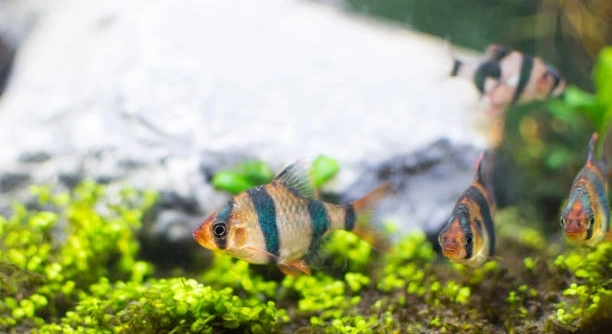
Tiger barbs are lively fish that thrive best when their environment encourages activity. Many owners want to see their fish swimming energetically and displaying natural behaviors. This article shares practical ways to help boost the activity levels of your tiger barbs.
Boosting tiger barb activity involves adjusting tank conditions such as water quality, temperature, lighting, diet, and social environment. Providing adequate space, hiding spots, and compatible tank mates also plays a significant role in promoting their natural movement.
Improving these factors will create a healthier, more stimulating environment for your tiger barbs. The following tips offer straightforward steps to enhance their daily activity and well-being.
Maintain Optimal Water Conditions
Keeping the water clean and stable is essential for tiger barbs to stay active. Regular water changes help remove waste and toxins that can slow fish down or cause stress. The ideal temperature for tiger barbs is between 74 and 79 degrees Fahrenheit. Maintaining this range supports their metabolism and energy levels. Checking pH levels and ensuring they stay between 6.0 and 7.5 also creates a comfortable environment. Filtration is important to keep the water clear, but avoid strong currents that may tire the fish. Consistent water parameters help prevent sudden stress, which can reduce activity. Monitoring ammonia, nitrite, and nitrate levels frequently is necessary to catch any problems early. Clean water promotes healthy gill function and oxygen levels, which directly impact how much your tiger barbs swim and explore.
Proper water maintenance provides a stable habitat that encourages natural behavior and increases overall activity levels.
Creating a balanced aquatic environment takes effort, but it pays off with more lively fish. Simple routines like weekly partial water changes and temperature checks keep conditions favorable. Using a reliable filter and testing kits makes it easier to maintain the right parameters. These small steps prevent common issues that cause lethargy. Consistent water quality supports good health, allowing tiger barbs to display their energetic and social nature. Their activity will improve as they feel secure and comfortable in their tank.
Provide a Varied and Balanced Diet
A healthy diet fuels tiger barbs and encourages movement. Feeding them a variety of high-quality flakes, pellets, and live or frozen foods like brine shrimp or bloodworms helps meet their nutritional needs. Avoid overfeeding, which can lead to obesity and inactivity. Instead, offer small portions two to three times daily. Including fiber and vegetable matter supports digestion and overall well-being. Proper nutrition increases energy and supports growth, making your fish more playful and active.
Balanced feeding habits prevent health problems and keep your tiger barbs energized for daily swimming and interaction.
Feeding a diverse diet not only boosts energy but also stimulates natural foraging behavior. Live and frozen foods encourage hunting instincts, prompting movement and mental engagement. Rotating food types ensures a range of nutrients, reducing the risk of deficiencies. Overfeeding may cause water quality issues, which negatively affect activity levels, so portion control is important. Fresh vegetables such as blanched spinach or peas can supplement their diet, aiding digestion. Providing nutritious meals supports vitality and helps tiger barbs maintain bright colors and lively personalities. Well-fed fish are more likely to explore their tank and interact with their environment, resulting in a healthier and more active community.
Encourage Social Interaction
Tiger barbs are schooling fish and feel more comfortable in groups. Keeping at least six together helps reduce stress and encourages active swimming. They are more energetic when interacting with others of their kind.
A proper group size promotes natural behaviors like chasing and playing. When kept alone or in too small a group, tiger barbs may become shy or lethargic. The presence of tank mates stimulates movement and social dynamics, which keeps them lively. Avoid mixing them with overly aggressive or much larger fish, as this can lead to stress and reduced activity.
Choosing compatible tank mates can further enhance their energy levels. Fish that share similar activity patterns create a more dynamic environment. Avoid overly passive species that might be intimidated by tiger barbs’ playful nature. A balanced community tank encourages constant interaction, boosting movement and reducing boredom.
Optimize Tank Environment
Providing enough swimming space is essential for tiger barbs to stay active. A minimum of 20 gallons for a group allows them to move freely and engage in natural behaviors. Overcrowding can cause stress and reduce activity.
In addition to space, the tank should include plants, rocks, and hiding spots. These features give tiger barbs areas to explore and feel secure. Plants also help improve water quality, contributing to a healthier habitat. A well-decorated tank stimulates curiosity and movement. Bright but not harsh lighting supports their daily rhythm, encouraging daytime activity. Balancing open swimming areas with sheltered zones offers the perfect environment for their natural behavior to flourish.
Maintain Proper Lighting
Consistent lighting helps regulate tiger barbs’ activity cycles. Too much light can stress them, while too little may cause lethargy. Aim for about 8 to 10 hours of moderate light daily.
Using a timer ensures regular lighting patterns, which supports their natural rhythms. Sudden changes in lighting can startle fish and reduce activity.
Use Aeration and Filtration
Good oxygen levels are important for tiger barbs to remain active. An efficient filter combined with gentle aeration helps maintain oxygen without creating strong currents. Proper filtration keeps the water clean and healthy.
Monitor Temperature Stability
Fluctuating temperatures can stress tiger barbs, causing inactivity or illness. Keep the tank temperature stable between 74 and 79 degrees Fahrenheit using a reliable heater. Avoid sudden temperature drops, which negatively impact their energy.
Introduce Environmental Enrichment
Adding new decorations or rearranging the tank occasionally sparks curiosity. Changes encourage exploration and increase activity by providing fresh stimuli and hiding spots.
How many tiger barbs should be kept together to encourage activity?
Tiger barbs are social fish that thrive in groups. Keeping at least six together is recommended. Smaller groups can cause stress and reduce activity. In larger groups, their natural schooling behavior encourages swimming and interaction, making them more lively and healthy overall.
What is the best water temperature to keep tiger barbs active?
The ideal water temperature for tiger barbs is between 74 and 79 degrees Fahrenheit. Maintaining a stable temperature within this range supports their metabolism and energy. Sudden temperature changes can stress the fish and cause lethargy, so using a reliable heater and thermometer is important.
How often should water be changed to keep tiger barbs energetic?
Regular water changes are essential. Changing 20-30% of the water weekly helps remove toxins and maintain water quality. Clean water supports healthy gill function and oxygen levels, both crucial for maintaining active behavior in tiger barbs.
Can the diet affect the activity level of tiger barbs?
Yes. Feeding a varied and balanced diet provides the necessary nutrients for energy and overall health. Incorporating high-quality flakes, pellets, and occasional live or frozen foods encourages natural foraging behavior, which boosts activity. Avoid overfeeding, which can lead to sluggishness.
Do tank decorations impact tiger barb activity?
Decorations like plants, rocks, and hiding spots create a stimulating environment. They provide shelter and areas to explore, encouraging movement and reducing stress. Rearranging decorations occasionally can spark curiosity and increase activity.
Is lighting important for tiger barb activity?
Proper lighting supports their daily rhythms. About 8 to 10 hours of moderate light per day is ideal. Too much light can cause stress, while too little can lead to inactivity. Using a timer helps maintain consistent light cycles.
What role does tank size play in tiger barb activity?
A minimum of 20 gallons for a small group is recommended. Adequate space allows tiger barbs to swim freely and express natural behaviors. Overcrowding leads to stress and reduced movement.
Can tank mates affect tiger barb activity?
Yes. Compatible tank mates that share similar activity levels can encourage social interaction and energy. Avoid keeping them with overly aggressive or much larger fish, as this causes stress and limits their natural behavior.
How does aeration influence tiger barb activity?
Good aeration ensures sufficient oxygen in the water, supporting their metabolism and movement. Using gentle aeration with proper filtration helps maintain water quality and oxygen without creating strong currents that tire the fish.
What should I do if my tiger barbs become inactive?
First, check water parameters, temperature, and cleanliness. Assess diet and feeding habits. Ensure they have proper tank mates and enough space. Adjust lighting and environment if needed. Stress or illness can cause inactivity, so monitor for signs of disease and treat promptly.
Maintaining an active and healthy environment for tiger barbs requires attention to several important factors. Water quality is one of the most critical elements. Regular water changes, proper filtration, and stable temperature all contribute to creating conditions that support their natural activity. When these basic needs are met, tiger barbs are more likely to swim energetically and display their usual lively behavior. Neglecting these essentials can cause stress, leading to reduced movement and poor health.
Another key aspect is their social setting. Tiger barbs are schooling fish and need to be kept in groups to feel secure and motivated. Keeping at least six or more together helps reduce stress and encourages interaction. When they have companions, they are more active, chasing and playing in the tank. Adding compatible tank mates can also increase activity, as a lively community promotes constant movement. Overcrowding or mixing with aggressive species can have the opposite effect and should be avoided to keep them healthy.
Feeding habits and tank setup also play important roles in their activity levels. A varied diet with quality flakes, pellets, and occasional live foods supplies the energy needed for swimming and play. Overfeeding can cause sluggishness, so it is best to offer small portions regularly. The tank environment should provide enough space for swimming along with hiding spots and decorations to explore. Changing the layout from time to time encourages curiosity and stimulates movement. Together, these practices help tiger barbs stay active, healthy, and vibrant in their aquarium home.

Hello,
If you enjoy the content that we create, please consider saying a "Thank You!" by leaving a tip.
Every little bit helps us continue crafting quality advice that supports the health, happiness, and well-being of pets around the world, for pets of all shapes, sizes, and species.
We really appreciate the kindness and support that you show us!