
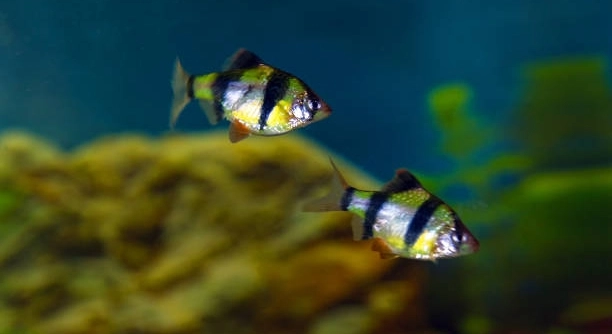
Tiger barbs are lively fish often chosen for home aquariums due to their vibrant colors and active behavior. However, many owners notice they tend to target a single fish with aggressive behavior. This article explores the common reasons behind this pattern.
Tiger barbs pick on one fish primarily because of social hierarchy, territorial disputes, and stress factors. These behaviors help establish dominance within the group, reduce competition, and respond to environmental pressures such as limited space or hiding spots.
Understanding why tiger barbs act this way can help you create a more peaceful aquarium environment for all your fish. The reasons are clear and can be addressed with the right knowledge and care.
Social Hierarchy and Dominance
Tiger barbs live in groups where social ranking is important. One fish often becomes the target because the others try to show dominance. This behavior helps the fish establish who is in charge. The picked-on fish may be weaker or slower, making it an easy target. Sometimes, the dominant tiger barbs nip or chase the singled-out fish to keep it in place. This is a natural behavior in many schooling fish to keep order and reduce competition for food and space. However, in a home aquarium, this can cause stress and harm to the targeted fish. Providing enough hiding spots and keeping the group size larger can help spread the attention and reduce picking on one fish alone.
Aggression related to dominance is a key reason tiger barbs focus on one fish. It reflects their instinct to organize social order within the tank.
Managing tank conditions can help lessen this behavior and create a more balanced environment for all fish.
Limited Space and Tank Conditions
When tank space is small, tiger barbs have less room to swim and avoid each other. This cramped space increases stress and tension among the fish. As a result, they pick on the weakest fish to release their stress or mark territory. Overcrowded tanks can worsen this behavior and harm the overall health of the fish. Tank setup plays a major role in how aggressive tiger barbs become. A well-planned tank with plants, decorations, and open swimming areas gives the fish enough places to hide and escape from aggressive peers. This reduces stress and helps prevent one fish from becoming a constant target. Water quality and cleanliness also influence behavior. Poor conditions increase irritation and aggressive responses. Maintaining proper tank size, regular water changes, and a balanced environment are essential for keeping aggression under control. Careful attention to space and environment makes a big difference in reducing conflict among tiger barbs.
Personality Differences
Some tiger barbs are naturally more aggressive than others. This can cause them to single out one fish repeatedly. The picked fish may have a quieter or more submissive personality, making it a frequent target. Understanding these differences is important when choosing tank mates.
Aggressive personalities among tiger barbs influence their behavior. Certain individuals assert dominance more strongly, which can lead to repeated bullying. The fish targeted often show signs of stress or injury due to constant harassment. This dynamic can cause health problems for the victim if left unchecked. Introducing more fish can sometimes balance aggression, but monitoring is necessary to ensure no one fish suffers excessively. Choosing tiger barbs with calmer temperaments may help create a more peaceful tank. Mixing fish carefully and observing their interactions reduces the chance of ongoing aggression.
In addition, sometimes aggression results from boredom or lack of stimulation. Providing enrichment, such as plants and hiding spots, can reduce aggressive tendencies. Keeping a close watch allows early intervention to protect vulnerable fish.
Feeding Competition
Feeding time often triggers aggressive behavior among tiger barbs. They compete strongly for food, which can lead to one fish being chased or nipped to keep it away from the source. This competition is part of their natural survival instincts.
When food is limited or unevenly distributed, dominant tiger barbs may block others from eating properly. The fish that get picked on often miss out on nutrition, which affects their health. Ensuring that food is spread out across the tank helps all fish get their share. Using multiple feeding spots or sinking pellets can reduce competition. Feeding smaller amounts more frequently also helps prevent food-related aggression. Careful feeding management supports a balanced environment where no fish is left hungry or stressed by bullying.
Providing a calm feeding routine and avoiding overcrowding during feeding can minimize conflict. Watching fish behavior during meals helps identify any persistent problems.
Stress and Illness
Stress or illness can make a fish an easy target. Tiger barbs may sense weakness and focus on that fish more often.
A stressed or sick fish moves differently and may not defend itself well. This behavior draws attention from more aggressive tank mates, increasing harassment and injury.
Lack of Distraction
Without enough stimulation, tiger barbs may focus their energy on one fish. Boredom can lead to increased aggression.
Providing toys, plants, or other distractions helps keep their behavior balanced and reduces picking on a single fish.
Size and Age Differences
Larger or older tiger barbs often pick on smaller, younger fish. The size difference creates an imbalance in the tank’s social structure.
Ensuring fish are similar in size helps reduce aggression and promotes harmony within the group.
FAQ
Why do tiger barbs keep picking on one fish?
Tiger barbs often target one fish due to social dominance, limited space, or stress factors. The aggressive behavior helps establish hierarchy and reduces competition. If the tank is overcrowded or lacks hiding places, this behavior becomes more intense. Environmental conditions and personality differences also contribute to why one fish is singled out.
How can I stop tiger barbs from bullying one fish?
Increasing tank size and adding plenty of plants or decorations can help. Providing hiding spots gives the targeted fish a chance to escape. Feeding fish evenly and frequently also reduces aggression. Sometimes adding more tiger barbs to spread out the attention or choosing calmer fish species helps. Monitoring behavior closely allows for early intervention.
Is it normal for tiger barbs to be aggressive?
Yes, tiger barbs are naturally semi-aggressive fish. They establish dominance by nipping and chasing. This behavior is part of their social structure but can be harmful if not managed. Proper tank conditions, group size, and compatible tank mates can keep aggression within reasonable limits.
What signs show a fish is being bullied?
Look for torn fins, faded color, or constant hiding. The targeted fish may appear stressed, eat less, or swim away quickly from others. Injury or illness can also be a sign of ongoing bullying. Early detection helps prevent serious harm.
Can the size of the tank affect aggression?
Absolutely. Smaller tanks limit space and increase stress, causing more aggression. A larger tank provides room to swim and hide, lowering tensions. A minimum of 20 gallons for tiger barbs is recommended, but bigger is better to reduce conflicts.
Does adding more fish help reduce bullying?
Adding more tiger barbs sometimes spreads aggression across several fish instead of one target. However, overcrowding can increase stress and worsen behavior if the tank is too small. It’s important to balance group size with tank capacity.
Can diet influence aggressive behavior?
Poor nutrition or uneven feeding can cause stress and competition, leading to aggression. Feeding small amounts multiple times daily and offering a balanced diet helps keep fish healthy and less aggressive.
Should I separate the bullied fish?
If aggression causes serious injury or stress, temporarily separating the bullied fish is a good idea. This allows it to recover in a safe space. After recovery, reintroducing the fish carefully with more hiding spots may improve the situation.
Are there tank mates that can reduce tiger barb aggression?
Choosing fast, active, and similarly sized fish can balance aggression. Avoid slow or shy fish that can become targets. Some peaceful fish may help distract aggressive tiger barbs, but careful selection and monitoring are essential.
How often should I clean the tank to reduce aggression?
Regular water changes and tank maintenance are crucial. Poor water quality stresses fish and increases aggression. Cleaning about 25% of the water weekly keeps the environment healthy and reduces conflicts.
Can personality differences among tiger barbs be changed?
Personality is mostly natural, but environment affects behavior. Providing enough space, hiding places, and proper feeding can reduce aggression even in naturally aggressive fish.
What are the risks if bullying continues?
Ongoing bullying leads to stress, injury, and weakened immune systems. The targeted fish may develop infections or die if aggression is not controlled. Early action helps maintain a healthy tank for all fish.
Can introducing plants reduce aggression?
Yes, plants offer hiding spots and break lines of sight. This helps reduce stress and aggressive encounters by giving fish places to retreat.
How can I tell if my tank is overcrowded?
If fish chase or nip more than usual, or if hiding spots are limited, overcrowding is likely. Overcrowded tanks have poor water quality and increased aggression. Ensuring proper stocking levels based on tank size avoids this problem.
Does lighting affect tiger barb behavior?
Bright lighting can increase activity and aggression. Providing some shaded or dim areas lets fish rest and reduces tension.
Is it normal for tiger barbs to nip fins?
Yes, fin nipping is a typical part of their behavior. However, constant or severe fin damage indicates stress or poor conditions that need correction.
Can tank decorations influence aggression?
Yes, decorations create barriers and reduce direct confrontations. Without enough structure, fish feel exposed and more likely to fight. Adding rocks, plants, and caves helps reduce aggression.
Should I quarantine new fish to prevent aggression?
Quarantining new fish helps prevent disease but also gives time to observe behavior. Introducing new fish slowly and carefully reduces the risk of sudden aggressive outbreaks.
How long does it take for aggression to settle?
Aggression usually peaks when fish are first introduced or when the social order is unclear. With proper care, it often decreases after a few weeks as dominance is established.
Are there behavioral signs before aggression starts?
Signs include chasing, flashing fins, and circling. Early detection allows for steps like adding hiding places or adjusting feeding to prevent escalation.
Can I use medications to reduce aggression?
Medications do not stop aggression directly. Treating illness or stress can improve behavior, but environmental changes are the best solution for aggression control.
Final Thoughts
Tiger barbs are lively and colorful fish, but their aggressive behavior can be challenging to manage. It is important to understand that picking on one fish is a natural part of their social behavior. This aggression helps them establish dominance and reduce competition within the group. However, when kept in a home aquarium, this behavior can cause stress and injury to the targeted fish. Knowing the reasons behind the aggression, such as limited space, social hierarchy, or feeding competition, can help you create a better environment for all your fish.
Managing aggression requires attention to tank size, group size, and environmental conditions. Providing enough space for the fish to swim and hide reduces stress and gives weaker fish places to escape. Adding plants, decorations, and hiding spots creates a more balanced setting that lowers aggression. Feeding the fish evenly and frequently also helps prevent food-related fights. Paying attention to the personalities of your tiger barbs and mixing them with compatible tank mates can further reduce picking on one fish. If bullying becomes severe, separating the targeted fish temporarily can help it recover.
Keeping tiger barbs happy and healthy involves regular tank maintenance and observation. Clean water and proper nutrition support good health and reduce stress-related behavior. Watching fish carefully allows you to notice early signs of bullying or injury and act quickly to prevent harm. While aggression may never disappear completely, with proper care, it can be kept under control. Creating a well-planned aquarium space and understanding the natural behaviors of tiger barbs will help you maintain a peaceful and enjoyable tank for all your fish.

Hello,
If you enjoy the content that we create, please consider saying a "Thank You!" by leaving a tip.
Every little bit helps us continue crafting quality advice that supports the health, happiness, and well-being of pets around the world, for pets of all shapes, sizes, and species.
We really appreciate the kindness and support that you show us!