
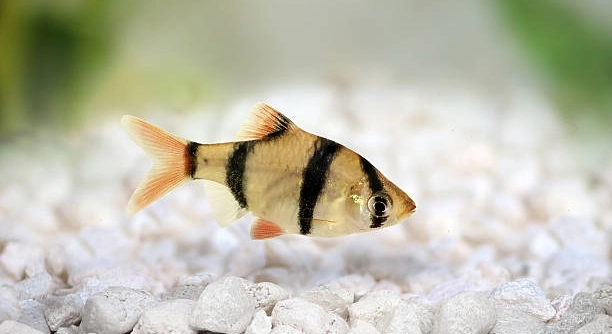
Do your tiger barbs often chase each other around the tank, making you wonder if their behavior can be toned down?
Tiger barbs can learn to compete less when kept in larger groups with balanced gender ratios, proper tank size, and enriched environments. These conditions help reduce aggression and support more harmonious group dynamics in captivity.
Managing their environment can make a big difference in how they interact and behave as a group.
Understanding Their Natural Behavior
Tiger barbs are naturally active and social fish. In the wild, they live in large groups where competition and chasing are common. These behaviors help them establish social order. When kept in small numbers in home aquariums, they may become more aggressive. This often happens when they lack enough space or stimulation. Small groups make it easier for one or two fish to get picked on, which leads to stress. Adding more fish of the same species can shift this behavior. The group spreads out the chasing, which helps reduce the intensity. A well-planted tank with hiding spots also makes a difference. It allows tired fish to retreat and relax. Balanced gender ratios, especially having more females, can further calm things down. With the right setup, you’ll likely see less chasing and more balanced interaction over time.
Keeping tiger barbs in groups of six or more is key to reducing stress and aggression.
This number helps form a proper school, where no single fish is targeted too often. It also spreads out dominant behavior, making the tank environment more stable.
Creating a Balanced Tank
A calm tank environment starts with the right setup. Start by choosing a tank that is at least 20 gallons, although bigger is always better for active fish like tiger barbs. Space allows them to swim freely and interact without bumping into each other constantly. Next, think about decor. Adding plants, rocks, and driftwood not only makes the tank more attractive but gives your fish places to hide. These quiet spots reduce stress and offer a sense of safety. Filtration is also important. A steady flow mimics their natural habitat and keeps the water clean. Good lighting and consistent temperature will support their health, which can influence behavior. Make sure you feed them well. Overfeeding or poor nutrition can lead to more aggression. Give them a mix of flakes, pellets, and occasional protein treats to keep them satisfied. Simple changes like these can lead to calmer, happier tiger barbs.
Training and Conditioning Behaviors
Tiger barbs can respond to conditioning over time. Repeated exposure to a calm environment helps shape their behavior. Reducing triggers and offering structured feeding routines can also lower aggression levels in the tank.
Feeding them at consistent times each day teaches them to expect food without competing. Use different areas of the tank to spread out the food so they don’t have to fight over one spot. When they associate feeding with calmness, they may become less aggressive overall. You can also use slow-release feeders during the day to avoid large group competition. Consistency is key. Over time, they’ll adjust to the rhythm and become more balanced. It’s not instant, but small changes in routine can shift how they interact. Pay attention to what sparks aggression. If it increases after specific activities, try rearranging the order of tasks or adjusting light and sound levels around the tank.
Play behavior can also help tone down their energy. Add gentle water flow from a filter or place a ping-pong ball on the surface for enrichment. These interactions can redirect their attention. Bright tank toys or moving plants add stimulation. Engaging their curiosity may reduce the urge to compete. The goal is not to eliminate their nature but to guide it.
Group Dynamics and Gender Balance
Aggression tends to spike when the group is too small or the gender ratio is off. More males often leads to frequent chasing. Keeping a balanced mix reduces competition and makes the group more relaxed.
Try to maintain a ratio of two females to every male if possible. Female tiger barbs are generally less aggressive, and their presence can soften the mood in the tank. Also, avoid keeping an odd number of fish. This prevents a single fish from being left out or constantly targeted. Group dynamics are affected by the tank’s setup, too. If there are not enough hiding spaces or swimming areas, stress builds up fast. Observe your fish often. If certain ones are always picked on, it may be worth reshuffling the group or adding a few more barbs. Their social behavior is flexible, and with care, it can become more balanced over time.
Signs of Progress
Less frequent chasing and more group swimming are early signs that things are improving. When they begin to explore calmly and eat without rushing, it means the environment is working in their favor.
Look for fewer damaged fins and more balanced interactions. A calm tank usually means healthier, happier fish overall.
When Things Don’t Improve
Sometimes, despite making changes, the aggression doesn’t settle. In these cases, removing the most dominant fish can help reset the group. It may also be helpful to rehome overly aggressive individuals if they continue to cause harm. Check water quality often—ammonia or nitrate spikes can stress the group and increase tension. Consider adding more tank mates that are fast and peaceful, like danios, to help redirect attention. Just make sure the tank is large enough to support everyone comfortably. If the tank is too small, no setup will work long term. A well-managed tank needs both the right mix of fish and proper care habits.
Final Tip
Changes take time, but daily consistency with feeding, space, and tank care will usually lead to better behavior.
FAQ
Can tiger barbs ever be fully peaceful?
Tiger barbs are naturally active and competitive, so expecting complete peace isn’t realistic. However, they can become noticeably calmer under the right conditions. A large enough group, good tank size, and plenty of plants and décor can reduce aggression. While they may still chase now and then, it won’t be constant. Many owners see big changes just by increasing their group size to six or more. Adding hiding spots and managing feeding routines also helps a lot. They’ll never act like slow, calm fish—but they can learn to coexist without chaos.
Do tiger barbs need tank mates to behave better?
They don’t need other species in the tank to settle down, but sometimes tank mates help balance things. Fast, peaceful fish like danios or rosy barbs can distract them or break up aggressive focus. However, adding the wrong kind of tank mate—like long-finned or slow fish—can make things worse. It’s important to pick fish that can match their pace and tolerate the energy in the tank. Before adding other fish, make sure your tank is large enough. A crowded tank creates stress, which only increases bad behavior.
Is aggression worse in male tiger barbs?
Yes, male tiger barbs are generally more aggressive than females. They often chase each other to compete for space or attention. If you have mostly males, there’s a higher chance of constant fighting. Keeping a balanced ratio, with more females than males, usually helps things calm down. If you’re not sure about their sex, try to observe size and body shape—females tend to be rounder. Even if aggression doesn’t fully go away, a better ratio usually leads to fewer injuries and a more stable group.
How can I tell if a tiger barb is being bullied?
A bullied barb might stay in the corners or hide a lot. It may also have torn fins or show signs of stress, like fast breathing or lack of appetite. If you see the same fish getting chased repeatedly or avoiding the group, it may be a target. Watch for changes in how they swim—slow, hesitant movement is a sign something’s wrong. If this keeps happening, you may need to remove the bully or add more hiding places. Rearranging the tank decorations can also break up territorial behavior.
What tank size is ideal for reducing tiger barb aggression?
A 20-gallon tank is the bare minimum for a small group, but bigger is always better. A 30-gallon or larger tank gives them more space to swim and escape tension. When the tank is too small, they constantly bump into each other, which increases stress and aggression. If you plan to keep six or more tiger barbs—and possibly add other fish—a bigger tank will support healthier behavior. A longer tank shape is also helpful, as it gives them more horizontal room to spread out.
Can rearranging the tank help with aggression?
Yes, changing the layout can help reduce dominance. When you rearrange the decorations, it removes established territories. This forces the group to reset their order and can reduce aggressive patterns. Try moving plants, caves, or other objects to new spots every few weeks. Just make sure the fish have hiding places during and after the changes. These adjustments don’t need to be big—just enough to shift their focus. Pairing this with group size changes or gender balancing often leads to the best results.
Do tiger barbs get more aggressive as they age?
They don’t necessarily get meaner with age, but older tiger barbs can become more territorial, especially in smaller tanks. If they’ve been the dominant fish for a while, they may start guarding certain areas more aggressively. It’s not a personality change as much as a habit they develop over time. Keeping them mentally stimulated with varied feeding and small changes to their environment can help avoid this. Adding new fish to the group, when done carefully, can also break up these long-standing routines.
Final Thoughts
Tiger barbs are lively, colorful fish that bring a lot of energy to a tank. Their active nature often includes chasing and competing, especially when kept in small groups or poorly set up tanks. While this behavior can seem stressful or aggressive, it’s a natural part of how they interact. With the right care, it’s possible to guide them toward calmer behavior. Things like group size, tank size, gender ratio, and the layout of the tank all make a big difference. These fish may never be completely gentle, but they can become much more manageable when their needs are met.
Creating a peaceful tank for tiger barbs starts with understanding how they behave and what causes tension. A larger group helps spread out the energy, while enough space and hiding areas allow each fish to relax when needed. Feeding routines, water quality, and even the design of the tank can all affect their mood. It’s also helpful to watch them closely. If certain fish are always getting picked on, it may be time to make a change—whether that means adjusting the group or moving decorations. Over time, you’ll learn what works best for your specific group. No two tanks are exactly the same, and sometimes small changes can lead to big results.
Raising tiger barbs takes patience and attention, but it can be very rewarding. When their environment supports their needs, they can become fun, engaging fish to care for. You may still see the occasional chase, but it won’t control the tank. What matters most is building a setup that gives them space, structure, and balance. The more you learn about their habits, the easier it becomes to spot problems and fix them early. Whether you’re new to keeping fish or have had tiger barbs before, it’s worth taking the time to set things up right. A thoughtful approach can turn a stressful tank into a calm, active space where your tiger barbs can thrive.

Hello,
If you enjoy the content that we create, please consider saying a "Thank You!" by leaving a tip.
Every little bit helps us continue crafting quality advice that supports the health, happiness, and well-being of pets around the world, for pets of all shapes, sizes, and species.
We really appreciate the kindness and support that you show us!