
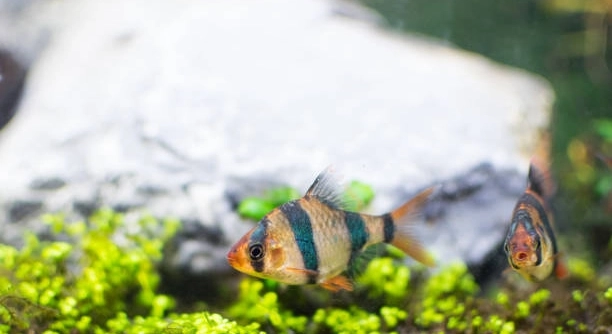
Tiger barbs are popular aquarium fish known for their bright colors and active behavior. Many fishkeepers want to know when these barbs feel safe and comfortable in their tank environment. Recognizing their signs helps ensure proper care and wellbeing.
Tiger barbs show security through calm swimming patterns, consistent eating habits, social interaction with tank mates, and vibrant coloration. Stress-related behaviors like hiding, fin clamping, and erratic movement decrease significantly when they feel secure.
Knowing these signs can improve your fishkeeping experience and promote a healthy, happy habitat for your tiger barbs.
Calm and Consistent Swimming Patterns
When tiger barbs feel secure, their swimming behavior is steady and relaxed. They move smoothly around the tank without sudden bursts of speed or frantic darting. You may notice them exploring their environment in a calm manner, often swimming in small groups. These fish rarely hide in plants or decorations if they feel safe. Instead, they show confidence by staying near the middle or upper areas of the tank. Erratic movements or constant hiding often mean the fish are stressed or uncomfortable. Observing their normal swimming patterns over time helps you recognize when something changes. It’s important to maintain stable water conditions and avoid loud noises or sudden movements around the tank. Consistent feeding times also contribute to their sense of security. A secure tiger barb feels relaxed enough to swim freely and interact with its surroundings without fear or anxiety.
Calm swimming is a clear sign that your tiger barbs trust their environment and feel comfortable in their space.
Keeping their habitat peaceful and stable will encourage this positive behavior and help the fish thrive.
Healthy Appetite and Regular Feeding Habits
Tiger barbs with a good sense of security show a healthy appetite. They come out to feed quickly when food is offered and compete lightly but fairly among tank mates. A secure fish won’t hide or delay eating. Instead, they appear eager yet calm while feeding. Consistent feeding schedules play a key role in this behavior. When food is given at regular times, the fish learn to expect it and feel safe enough to focus on eating. Poor appetite or refusal to eat can indicate stress or illness. Overfeeding or irregular feeding times may confuse or upset the fish, making them less secure. Offering a balanced diet with a mix of flakes, pellets, and occasional live or frozen food keeps tiger barbs healthy and happy. When their nutritional needs are met, they are more likely to display secure and confident behavior in the tank.
Maintaining regular feeding routines is essential for the overall wellbeing of your tiger barbs.
Social Interaction with Tank Mates
Tiger barbs that feel secure often swim and interact together in small groups. They don’t isolate themselves or show aggressive chasing. Instead, their behavior is balanced and calm.
Social fish tend to stay close to others, often swimming side by side or following one another around the tank. This group behavior helps them feel safer and less stressed. If a tiger barb is constantly hiding or separated from the group, it may be uncomfortable or insecure. Watching their social patterns is important to understand their mood. Proper group size and compatible tank mates contribute to positive social interaction.
Providing enough space and hiding spots helps reduce conflict and encourages friendly interactions. When they feel secure, tiger barbs enjoy their company and create a lively but peaceful community.
Vibrant Coloration
A tiger barb’s colors are brighter when they feel secure and healthy. Dull or faded colors often signal stress or poor water quality. Vibrant coloration reflects good nutrition, proper lighting, and a stable environment. When conditions are right, their stripes and fins show strong contrast and shine.
Changes in color can also indicate illness or discomfort, so it’s important to monitor this closely. Maintaining clean water and feeding a varied diet supports their natural colors. Stressful tank conditions like overcrowding or sudden temperature changes may cause colors to fade.
Bright colors are a good sign your tiger barbs feel safe and well cared for in their home. This natural beauty also adds enjoyment to watching your fish every day.
Reduced Hiding Behavior
Tiger barbs that feel secure spend less time hiding. They explore the tank openly and rest in visible areas rather than staying hidden in plants or decorations.
If hiding becomes frequent, it may indicate stress or discomfort. A safe environment encourages them to be more active and visible.
Smooth and Intact Fins
Healthy fins are a sign of secure and well-cared-for tiger barbs. Torn or clamped fins usually point to stress, poor water quality, or aggression.
Maintaining clean water and a peaceful tank helps keep fins in good shape, supporting the fish’s overall wellbeing and confidence.
Calm Breathing and Movement
When tiger barbs feel secure, their breathing is steady, and movement is smooth. Rapid gill movement or erratic swimming shows stress or illness.
Monitoring these signs helps ensure their environment remains comfortable and supports their health.
No Excessive Aggression
Tiger barbs that feel secure show normal, mild aggression but avoid constant chasing or fin nipping. Balanced behavior helps keep the community peaceful.
How do I know if my tiger barbs are stressed or secure?
Stress in tiger barbs often shows through behaviors like hiding, clamped fins, erratic swimming, loss of appetite, or dull coloration. Secure tiger barbs swim calmly, eat regularly, display bright colors, and interact peacefully with tank mates. Watching their normal behavior over time helps identify any changes.
What are the most common causes of stress for tiger barbs?
Poor water quality, overcrowding, sudden temperature changes, loud noises, and incompatible tank mates are typical stress factors. Lack of hiding places or irregular feeding schedules can also upset them. Keeping a stable environment with proper tank conditions is key to preventing stress.
How many tiger barbs should I keep together?
Tiger barbs are schooling fish and do best in groups of six or more. Smaller groups may lead to increased aggression or stress. A larger group helps spread out aggression and encourages natural social behavior, making them feel more secure.
What tank size is best for tiger barbs?
A minimum of 20 gallons is recommended for a small group of tiger barbs. Larger tanks offer more swimming space and reduce territorial disputes. More room also allows for proper filtration and stable water conditions, which are important for their health.
What diet keeps tiger barbs healthy and secure?
A varied diet of high-quality flakes, pellets, and occasional live or frozen foods like bloodworms or brine shrimp keeps tiger barbs well-nourished. Balanced nutrition supports vibrant coloration and energy levels, which are signs of security.
Can tiger barbs live with other fish species?
Yes, but choose tank mates carefully. Peaceful, fast-swimming fish that tolerate similar water conditions work best. Avoid slow-moving or long-finned species, as tiger barbs can nip fins if stressed. Compatible companions reduce aggression and promote a calm tank environment.
How often should I clean the tank for tiger barbs?
Regular water changes of 20-30% weekly help maintain clean, stable water. Frequent partial changes remove toxins and prevent buildup that can stress fish. Keeping the tank clean supports overall health and encourages secure behavior.
What signs show that tiger barbs are happy in the tank?
Happy tiger barbs swim actively in groups, eat eagerly, display bright colors, and interact without excessive aggression. They rest visibly and show calm, smooth movements. These signs indicate they feel safe and comfortable in their environment.
What should I do if my tiger barbs show aggressive behavior?
Ensure the group size is large enough and the tank is spacious. Adding more hiding spots can reduce stress. Check water conditions and feeding routines. Sometimes rearranging decorations breaks up territories. If aggression persists, separating the most aggressive fish may be necessary.
How important is tank decoration for tiger barbs’ security?
Plants, rocks, and hiding places help tiger barbs feel safe by providing shelter and breaking up lines of sight. A well-decorated tank reduces stress and aggression by giving fish places to retreat. This setup supports natural behavior and increases their comfort level.
Can water temperature affect tiger barbs’ sense of security?
Yes, tiger barbs prefer water temperatures between 74°F and 78°F. Sudden temperature fluctuations can stress them, causing hiding or erratic swimming. Keeping temperature stable within this range promotes health and security.
Are there health issues linked to insecurity in tiger barbs?
Stress from insecurity weakens the immune system, making tiger barbs prone to diseases like fin rot or ich. Signs include faded colors, clamped fins, and lethargy. Proper care and a stable environment reduce illness risk and help fish recover faster.
How do I encourage shy tiger barbs to feel more secure?
Maintain calm surroundings and avoid sudden movements near the tank. Provide plenty of hiding spots and a consistent feeding schedule. Gradually, shy fish will explore more and join the group once they feel safe.
What role does lighting play in tiger barbs’ behavior?
Moderate lighting mimics their natural environment and helps regulate activity. Too bright or sudden changes can stress them. A regular light cycle with a period of darkness at night supports their natural rhythm and comfort.
How long does it take for tiger barbs to feel secure in a new tank?
It can take several days to weeks depending on conditions. Stable water quality, proper tank mates, and consistent feeding speed up adjustment. Observing their behavior closely helps determine when they have settled in.
When caring for tiger barbs, recognizing signs that they feel secure is important. These fish show their comfort through calm swimming, healthy eating habits, and social behavior with other tank mates. Paying attention to these behaviors helps ensure the environment meets their needs. When tiger barbs feel safe, their colors brighten, their fins stay healthy, and they spend less time hiding. This shows they trust their surroundings and are less stressed. Providing a stable and clean tank with enough space and proper companions supports this feeling of security.
Maintaining good water quality and a consistent feeding schedule are key factors in helping tiger barbs feel secure. Sudden changes in temperature, overcrowding, or loud noises can cause stress, which affects their health and behavior. A well-decorated tank with plants and hiding spots offers shelter and reduces aggression among fish. Keeping the tank stable and peaceful allows tiger barbs to explore freely and interact naturally. Watching their daily activities closely makes it easier to notice when something is wrong or when they are thriving.
Overall, a secure tiger barb is a healthy and active fish. It is important to create a balanced environment where these fish can feel comfortable and confident. By understanding the signs of security and addressing any issues quickly, you can help your tiger barbs live longer, happier lives. Providing proper care not only benefits the fish but also makes the aquarium more enjoyable to watch. Taking these steps leads to a peaceful tank where both fish and owner can appreciate the beauty and behavior of tiger barbs.

Hello,
If you enjoy the content that we create, please consider saying a "Thank You!" by leaving a tip.
Every little bit helps us continue crafting quality advice that supports the health, happiness, and well-being of pets around the world, for pets of all shapes, sizes, and species.
We really appreciate the kindness and support that you show us!