
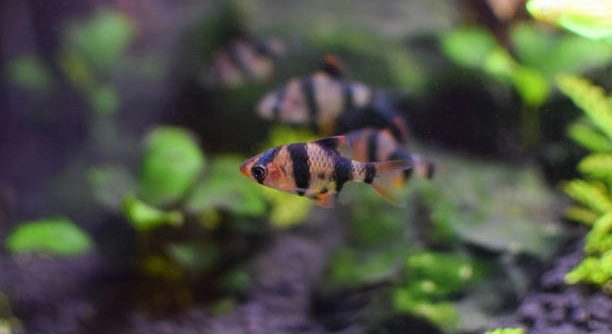
Barbs are small, colorful fish that attract many aquarium enthusiasts. Their spawning behavior is a fascinating part of their life cycle. Observing these changes helps hobbyists better understand and care for their fish.
During barb spawning, several changes occur, including increased territorial behavior, vivid coloration, nest preparation, frequent chasing, egg laying on plants or substrates, heightened aggression, and protective guarding of the eggs until they hatch.
These natural behaviors reveal much about barb reproduction and are important for anyone interested in keeping these fish healthy and thriving.
Increased Territorial Behavior
When barb spawning begins, you’ll notice the fish becoming more territorial. They often claim certain areas of the tank and defend them aggressively. This behavior helps protect their chosen spawning site from other fish. Male barbs especially show this tendency, chasing away any intruders that come too close. The tank can become livelier and more active during this time, as the fish focus on securing their space. This territorial instinct is essential for a successful spawning process because it ensures that the eggs and fry will have a safer environment. It might feel intense if you keep multiple barbs in one tank, but this is part of their natural behavior during breeding. Keeping enough hiding spots and plants can help reduce stress and aggression in your tank.
Territorial behavior plays a key role in protecting the eggs during spawning. This natural instinct supports the survival of the next generation.
Understanding this behavior helps you manage your tank better during spawning periods and maintain a peaceful environment for your fish.
Vivid Coloration Changes
Male barbs often develop brighter and more vivid colors when it’s time to spawn. This color change serves as a signal to attract females and to show dominance to other males. The brighter colors can be stunning and are an easy way to tell when spawning is about to happen. Females usually remain less colorful but might display subtle changes in their body shape or behavior. These visual cues are important for communication between the fish. If you notice these changes in your tank, it’s a good sign that spawning is near. Color changes also add beauty to your aquarium but should be observed carefully to monitor the fish’s health during this active period. Providing a healthy diet and stable water conditions supports these natural changes and promotes successful breeding.
Nest Preparation
Barbs start preparing a spawning site by cleaning a flat surface or gathering plants. This helps create a safe place for the eggs to be laid and protected.
The male barb often takes the lead in nest preparation. He will vigorously clean the area by removing debris and algae. This makes the spot more attractive and secure for the female to deposit her eggs. The choice of nest location can vary, but it usually involves dense plant areas or flat surfaces near the bottom of the tank. This behavior ensures the eggs are less likely to be disturbed or eaten by other fish. Providing plenty of plants or smooth surfaces in the aquarium supports this natural nesting behavior. It also encourages spawning by giving the barbs a comfortable environment to reproduce in.
Nest preparation is a key part of successful spawning. It sets the stage for fertilization and egg protection, improving the chances of survival for the fry.
Egg Laying and Guarding
After the nest is ready, females lay eggs carefully on plants or flat surfaces. Males then fertilize the eggs quickly to ensure proper development.
Once fertilized, the male usually stays close to guard the eggs. This guarding behavior protects the eggs from being eaten by other fish or damaged by water movement. The male’s presence also discourages other males from invading the territory. During this time, the eggs are delicate and need to be left undisturbed. Water quality should be monitored closely because poor conditions can harm the developing embryos. Watching over the eggs requires patience and care from the fish and the aquarist. Protecting the eggs until they hatch increases the survival rate and helps maintain a healthy barb population in the tank.
Frequent Chasing
During spawning, chasing between males and sometimes females increases. This helps establish dominance and secures the best spawning spots.
The chasing can look aggressive but is a normal part of their breeding behavior. It helps ensure only the strongest fish get to mate and protects the nest area from rivals.
Heightened Aggression
Barbs become more aggressive overall when spawning. This aggression helps defend territory and eggs from threats.
Aggression can lead to stress if the tank is overcrowded. Providing enough space and hiding spots helps reduce conflicts and keeps the fish healthier during this intense period.
Egg Hatching
Eggs usually hatch within 24 to 48 hours after being laid, depending on water temperature and conditions.
FAQ
How long does barb spawning usually last?
Barb spawning can last anywhere from a few hours to a couple of days. It depends on the species, water temperature, and the environment in the tank. Typically, the most active spawning happens within 24 hours after the fish start showing breeding behaviors. After that, the eggs are laid, fertilized, and the adults begin guarding the nest. Some barbs may repeat the process if conditions remain favorable, but most focus on one spawning cycle at a time.
What water conditions support successful barb spawning?
Ideal water conditions are important for spawning success. Barbs generally prefer slightly acidic to neutral water with a pH around 6.5 to 7.5. The temperature should be stable, usually between 75°F and 82°F (24°C to 28°C). Clean water with low ammonia and nitrate levels helps eggs develop properly and keeps the adults healthy. Regular water changes and gentle filtration improve the chances of a good spawn. Adding plants provides places for eggs to stick and hide, which also boosts survival rates.
Can I keep other fish with barbs during spawning?
It’s best to keep other fish out of the tank during barb spawning. Barbs can become aggressive and territorial, especially males guarding eggs. Other fish might stress the barbs or even eat the eggs. If you want to maintain a community tank, consider using a separate breeding tank for spawning. Once the eggs hatch and the fry grow a bit, you can reintroduce other fish carefully, making sure the environment remains calm and safe.
Do barbs eat their own eggs or fry?
Yes, barbs sometimes eat their own eggs or fry, especially if the eggs are damaged or if the adults feel stressed or threatened. This behavior is natural in many fish species. To prevent this, removing the adults after spawning can help protect the eggs and fry. Providing plenty of hiding spots and dense plants also reduces the chances of the fry being eaten, as they can find shelter while growing.
What do barb fry eat after hatching?
Barb fry start by eating tiny foods like infusoria or specially prepared liquid fry food. As they grow, they can eat baby brine shrimp, microworms, or finely crushed flakes. Feeding small, frequent meals helps ensure healthy growth. Keep the water clean during this stage, as leftover food can pollute the tank quickly. Providing proper nutrition early on sets the fry up for strong development.
How can I tell if spawning was successful?
You can tell spawning was successful if you see fertilized eggs attached to plants or surfaces in the tank. Fertilized eggs look clear or slightly yellowish and remain intact. Unfertilized eggs often turn white and get fuzzy. After about one to two days, you should see tiny fry swimming near the nest. If eggs start disappearing or no fry appear, it may mean the spawn failed or the eggs were eaten. Regular observation helps catch issues early.
Is it necessary to separate the spawning pair from the rest of the fish?
Separating the spawning pair can improve success rates by reducing stress and aggression. Other fish might attack the breeding pair or eat the eggs. A separate breeding tank allows better control of water conditions and protects the eggs and fry. If using the main tank, ensure plenty of plants and hiding spots are available to reduce conflict. Separation isn’t always required but often makes the process smoother and safer for all fish involved.
What signs show a female barb is ready to lay eggs?
A female ready to lay eggs often becomes plumper in the belly as eggs develop inside. Her behavior may become calmer or more reserved, and she will swim near the nesting area more frequently. Sometimes, she will follow the male around or respond to his displays of color and chasing. These signs indicate she is close to releasing eggs, so keeping the environment stable and safe at this stage is important for successful spawning.
How long does it take for barb fry to grow into adults?
Barb fry usually take about 3 to 6 months to grow into fully mature adults, depending on species and conditions. Good water quality, proper feeding, and stable temperatures speed up growth. During this time, the fry gradually develop their colors and behaviors seen in adult fish. Regular tank maintenance and careful monitoring help ensure the fry stay healthy through this growth period.
Can I encourage barbs to spawn more than once?
Barbs can spawn multiple times if conditions remain favorable. Keeping the water clean, stable, and warm encourages repeated spawning cycles. A nutritious diet and minimal stress also help. However, after one spawn, the adults may need a rest period to regain energy. Avoid forcing continuous breeding, as it can harm the fish. Patience and good care increase the chances of multiple healthy spawns over time.
Barb spawning is an interesting and natural part of keeping these fish. Understanding what happens during spawning helps you care for them better. From changes in behavior like increased chasing and aggression to color shifts and nest building, these are signs that barbs are preparing to reproduce. Watching these behaviors can make your aquarium experience more engaging and rewarding. Knowing what to expect also helps reduce stress for the fish and improves the chances of a successful spawn.
Taking care of the water quality and providing a suitable environment are important during spawning. Barbs need stable temperatures, clean water, and enough plants or flat surfaces for laying eggs. The male will guard the eggs, so it is best to limit disturbances during this time. If you notice aggression increasing, adding hiding places or separating fish can help. Feeding the adults a nutritious diet supports their health through this demanding time. After the eggs hatch, making sure the fry have the right food and safe spots to grow is key to their survival.
Overall, keeping barbs through spawning requires patience and attention. It’s a natural process that reflects the health and well-being of your fish. By recognizing the behaviors and needs of barbs during this time, you create a better environment for them to thrive. Whether you are new to fishkeeping or experienced, observing and supporting barb spawning can deepen your connection with these lively fish. With proper care, you can enjoy seeing the full cycle from spawning to healthy young barbs growing in your tank.

Hello,
If you enjoy the content that we create, please consider saying a "Thank You!" by leaving a tip.
Every little bit helps us continue crafting quality advice that supports the health, happiness, and well-being of pets around the world, for pets of all shapes, sizes, and species.
We really appreciate the kindness and support that you show us!