
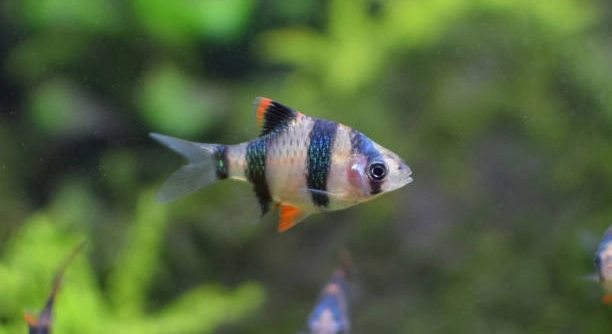
Owning a barb fish can be rewarding, but new owners often face common challenges that affect their fish’s health. Many beginners are unaware of mistakes that can harm their barbs or reduce their lifespan. Understanding these pitfalls early can improve care.
The most frequent mistakes new barb owners make include overfeeding, improper tank setup, poor water quality management, lack of compatible tank mates, incorrect temperature settings, neglecting regular maintenance, and insufficient research on species needs. These errors can cause stress, illness, or death in barbs.
Recognizing these mistakes is the first step toward providing a better environment and longer life for your barbs. This article will outline the key errors to avoid and how to care for your fish properly.
Overfeeding Your Barbs
Overfeeding is a common mistake many new barb owners make. It is easy to think that giving more food means healthier fish, but that is not true. Barbs need small amounts of food two to three times a day. Overfeeding leads to leftover food, which pollutes the water and can cause illness. It also makes barbs overweight and less active, which affects their overall health. Watching how much your fish eat and removing uneaten food can prevent problems. Feeding a balanced diet with quality flakes or pellets designed for barbs helps maintain their nutrition. Regularly observe their eating habits and adjust portions accordingly to keep them healthy.
Overfeeding creates poor water quality and can lead to diseases like fin rot or swim bladder problems in barbs.
Keeping feeding portions small and consistent, while maintaining a clean tank, supports your barbs’ health and happiness. Managing food carefully will prevent many common health issues before they start.
Improper Tank Setup
A proper tank setup is essential for barbs to thrive. New owners sometimes underestimate the space, filtration, and decoration needs of their tank. Barbs are active swimmers and need enough room to move freely. A tank smaller than 20 gallons is not recommended for most barb species. Without sufficient space, barbs can become stressed and aggressive. Filtration is also crucial, as barbs produce a lot of waste. A filter that cycles the tank water properly keeps it clean and oxygen-rich. Decorations like plants and hiding spots create a natural environment and reduce stress. Choosing smooth decorations avoids injury to your fish. Barbs prefer moderate lighting and stable water temperatures between 74°F and 79°F. Maintaining these conditions helps barbs display natural behavior and stay healthy. Always research the specific needs of the barb species you own to set up the tank correctly.
Many tank problems come from inadequate filtration or overcrowding, which quickly affect water quality and fish health.
Ensuring the right tank size, strong filtration, and comfortable environment reduces stress and encourages barbs to thrive. Taking time to prepare the tank well will lead to a more enjoyable experience caring for your fish.
Poor Water Quality Management
Water quality is critical for barb health. Neglecting regular water changes allows toxins to build up, harming fish. Testing water parameters often helps catch issues early.
Maintaining clean water requires weekly partial water changes of about 20-30%. Using a water conditioner removes harmful chlorine and chloramine from tap water. Checking ammonia, nitrite, and nitrate levels ensures a safe environment. Ammonia and nitrite should be at zero, while nitrate must stay below 20 ppm. Dirty water stresses barbs and weakens their immune system, making them vulnerable to disease. A good filtration system supports the nitrogen cycle, breaking down waste effectively. Cleaning the filter media carefully prevents beneficial bacteria loss.
Changing the water regularly and monitoring parameters are simple steps that prevent common illnesses. A healthy tank reduces stress and promotes vibrant, active barbs. Taking time for water maintenance pays off in the long run.
Lack of Compatible Tank Mates
Barbs can be aggressive, so choosing compatible tank mates is essential. Keeping incompatible species causes stress and fighting.
Many new barb owners place barbs with slow-moving or long-finned fish, which often leads to bullying or fin nipping. Ideal tank mates include fast swimmers that can hold their own, such as danios or certain tetras. Avoid keeping barbs with fish that are easily stressed or have delicate fins. Overcrowding also worsens aggression, so providing enough space reduces territorial behavior. Grouping barbs in schools of at least five helps spread aggression within their own species. Observing fish interactions closely during the first days helps identify potential issues early and allows for adjustments. Thoughtful selection of tank mates creates a peaceful environment where all fish can thrive.
Incorrect Temperature Settings
Barbs need stable water temperatures to stay healthy. Fluctuations can cause stress and lower their immune response. Maintaining the temperature between 74°F and 79°F is ideal for most barb species.
Using a reliable aquarium heater and thermometer helps keep the temperature consistent. Avoid placing the tank near drafts or direct sunlight, which can cause sudden changes.
Neglecting Regular Maintenance
Regular tank maintenance is essential for barb health. Skipping tasks like water changes, filter cleaning, and gravel vacuuming allows waste to build up, leading to poor water quality. Consistent care reduces disease risks and keeps the environment stable for your fish.
Insufficient Research on Species Needs
Each barb species has unique requirements. Knowing their behavior, diet, and tank conditions ensures proper care. Without research, owners may overlook critical needs, causing stress or illness. Learning about your specific barb species supports their well-being and longevity.
Summary of Common Mistakes
Avoiding these common errors can greatly improve your barbs’ quality of life. Proper care creates a healthier, happier tank environment.
FAQ
How often should I feed my barbs?
Feeding barbs two to three times a day with small amounts is best. Overfeeding can cause water pollution and health problems. Watch how much they eat and remove uneaten food to keep the tank clean. Use quality flakes or pellets designed for barbs to meet their nutritional needs.
What size tank is suitable for barbs?
A minimum of 20 gallons is recommended for most barb species. Barbs are active swimmers and need space to move. Smaller tanks increase stress and aggression. Providing enough room helps them stay healthy and display natural behavior.
How do I maintain water quality?
Perform weekly partial water changes of 20-30%. Test water for ammonia, nitrite, and nitrate regularly. Ammonia and nitrite should be zero, nitrate below 20 ppm. Use a water conditioner to treat tap water. Clean filter media carefully to preserve beneficial bacteria. Proper filtration supports a stable nitrogen cycle.
What are compatible tank mates for barbs?
Choose fast, robust fish like danios or tetras. Avoid slow or long-finned species that barbs may nip. Keeping barbs in groups of five or more helps spread aggression within their species. Monitor fish interactions to prevent bullying or stress.
What temperature is ideal for barbs?
Keep water temperature between 74°F and 79°F. Use a reliable heater and thermometer to maintain consistency. Avoid sudden temperature changes by placing the tank away from drafts and direct sunlight.
How often should I clean the tank?
Regular maintenance is key. Change water weekly, clean the filter monthly, and vacuum the gravel to remove waste. Skipping these steps causes poor water quality, stressing fish and leading to disease.
Can barbs live alone?
Barbs are schooling fish and prefer to live in groups. Keeping them alone often leads to stress and abnormal behavior. A group of at least five barbs helps them feel secure and reduces aggression.
What should I do if my barbs show signs of illness?
Isolate sick fish if possible to prevent spreading disease. Test water quality and improve maintenance. Use appropriate medications based on the illness. Consulting an aquatic veterinarian or experienced fish keeper is helpful for serious cases.
Is it okay to keep different barb species together?
Some species can coexist, but others may show aggression or territorial behavior. Research each species’ temperament and requirements before mixing them. Provide enough space and hiding places to reduce conflicts.
How important is lighting for barbs?
Moderate lighting mimics their natural environment and supports their health. Too bright or too dim light can cause stress. Use a timer to maintain a consistent light schedule of about 8 to 10 hours per day.
What is the best diet for barbs?
A varied diet of high-quality flakes, pellets, and occasional live or frozen foods keeps barbs healthy. Avoid overfeeding and remove leftovers to prevent water quality issues. Providing variety supports growth, color, and immune health.
How do I handle aggression among barbs?
Keep barbs in groups of five or more to spread aggression. Provide plenty of space and hiding spots. Avoid overcrowding and incompatible tank mates. Observe behavior and separate overly aggressive fish if necessary.
Can barbs tolerate changes in water parameters?
Barbs are somewhat hardy but sudden or large changes in pH, hardness, or temperature stress them. Gradual adjustments during water changes reduce shock. Maintaining stable parameters is important for their well-being.
How long do barbs typically live?
With proper care, most barbs live between 4 to 7 years. Good water quality, diet, and tank conditions extend their lifespan. Avoiding common mistakes improves their overall health and longevity.
What signs show my barbs are stressed?
Stress signs include clamped fins, hiding, reduced appetite, rapid breathing, or unusual swimming patterns. Stress often results from poor water quality, aggressive tank mates, or inadequate environment. Addressing these causes helps your barbs recover and stay healthy.
Final Thoughts
Taking care of barbs can be very rewarding when done right. Avoiding common mistakes like overfeeding, poor tank setup, and neglecting water quality helps keep your fish healthy and active. Barbs need consistent care, proper feeding, and a clean environment to thrive. Many problems begin when these basic needs are overlooked. Paying attention to these details makes a big difference in your barbs’ well-being and enjoyment.
Setting up the tank properly is also important. Barbs require enough space to swim freely and a good filtration system to keep the water clean. Providing hiding places and choosing the right tank mates reduces stress and aggression among the fish. It is helpful to learn about the specific species you own, as their needs can vary. Regular maintenance and careful monitoring of water temperature and quality are key to avoiding common health problems.
By understanding and addressing these points, you create a stable and comfortable home for your barbs. Consistency in care builds trust and supports their natural behaviors. Barbs can live long, healthy lives when given the right environment and attention. Remember that small, regular efforts in feeding, cleaning, and observing will prevent many issues and lead to a more enjoyable experience as a barb owner.

Hello,
If you enjoy the content that we create, please consider saying a "Thank You!" by leaving a tip.
Every little bit helps us continue crafting quality advice that supports the health, happiness, and well-being of pets around the world, for pets of all shapes, sizes, and species.
We really appreciate the kindness and support that you show us!