
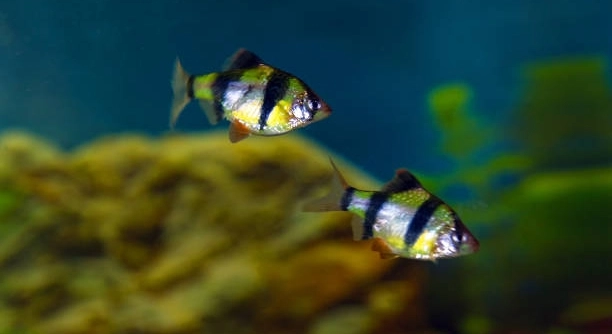
Do you ever find yourself wondering what type of substrate is best for your tiger barbs? Many aquarium owners want to create a comfortable and healthy environment for their fish. Choosing between sand and gravel can be a common concern.
Tiger barbs generally prefer gravel over sand because gravel allows better water flow and reduces the risk of compacting harmful gases. Gravel also provides a more natural setting for these active fish and supports beneficial bacteria growth.
Understanding the differences between sand and gravel can help you create a better home for your tiger barbs. This knowledge will guide you in making choices that improve their well-being and tank maintenance.
Why Substrate Choice Matters for Tiger Barbs
Choosing the right substrate for tiger barbs affects their health and behavior. Tiger barbs are active swimmers that like to explore their environment. Gravel provides more space for water to flow, which helps keep the tank clean and oxygen-rich. Sand can compact easily, trapping harmful gases that may stress the fish. Also, gravel offers a firmer surface for beneficial bacteria to grow, supporting the aquarium’s biological filter. A good substrate creates a stable environment where tiger barbs feel safe and behave naturally. The texture and color of the substrate can even affect their colors and activity levels. While sand looks smooth and soft, it requires more maintenance to prevent buildup of waste. Gravel’s porous surface helps trap debris, making it easier to vacuum during cleaning. Keeping the substrate clean is important since tiger barbs can get sick if water quality drops.
Substrate plays a key role in tank health and fish comfort.
Tiger barbs also enjoy digging and nibbling on the substrate. Gravel lets them do this without swallowing particles that could cause digestive problems. It also helps plant roots stay anchored if you want live plants in the tank. Sand may look nicer but can make it harder for plants to grow well. Ultimately, gravel suits the tiger barb’s active nature and tank needs better than sand.
Benefits of Gravel Over Sand for Tiger Barbs
Gravel offers more advantages for tiger barbs compared to sand.
Gravel’s larger particles allow water to flow freely through the substrate. This helps keep harmful substances from building up. Tiger barbs prefer this environment because it mimics their natural habitats better. Sand’s fine grains can become compacted, creating pockets of low oxygen where bacteria can produce toxins. This situation can stress or harm the fish. Gravel also makes it easier to clean the tank since debris tends to sit on top rather than sinking deep. Additionally, gravel provides better support for aquarium plants, which can improve water quality and offer hiding spots for the fish. The rougher texture of gravel can encourage natural behaviors like digging and foraging. While sand may look smooth and neat, gravel offers a practical and safer option for tiger barbs in most home aquariums. Choosing gravel supports a healthier and more natural tank environment for these energetic fish.
Sand as a Substrate Option
Sand can create a smooth and natural look in the aquarium. It’s fine and soft, which some people like for aesthetic reasons. However, sand requires more care to prevent it from compacting and trapping waste.
Sand’s fine grains settle closely together, which can reduce water flow through the substrate. This can cause pockets where harmful gases accumulate, making the environment less healthy for tiger barbs. Also, waste and uneaten food may get buried in the sand, requiring frequent cleaning to avoid water quality problems. Unlike gravel, sand doesn’t support plant roots well, making it harder to grow live plants. For tanks with minimal maintenance or heavy fish activity, sand can become problematic over time.
Though sand looks nice, it often demands more effort to keep clean and healthy for tiger barbs. Their natural behavior of digging may also lead to clouding water, which can be frustrating to manage regularly. Overall, sand might suit quiet, heavily planted tanks better than active tiger barb setups.
How Substrate Affects Tank Maintenance
Gravel simplifies cleaning by allowing debris to stay on the surface where it’s easier to vacuum out. This reduces the buildup of harmful substances.
Regular tank maintenance is easier with gravel because its texture prevents compacting. Water flows better, and beneficial bacteria thrive, which helps break down waste. Sand can trap waste deep down, making it harder to remove and increasing the risk of toxins. Gravel also keeps the water clearer since waste does not cloud the water as much when it sits on top. For busy fish owners, gravel saves time and effort by reducing the need for constant deep cleaning. Maintaining water quality is crucial for tiger barbs’ health, and gravel supports that goal better.
Choosing the right substrate means less stress cleaning and more time enjoying the fish. Gravel gives a practical advantage that helps keep the aquarium balanced and healthy.
Gravel and Plant Growth
Gravel provides solid support for live plants. Its texture helps anchor roots firmly in place, allowing plants to grow strong.
Plants improve water quality by absorbing nitrates, benefiting both fish and the tank environment. Gravel’s ability to hold plants makes it a practical choice for planted tanks.
Impact on Tiger Barb Behavior
Tiger barbs enjoy digging and exploring their substrate. Gravel’s coarse texture encourages these natural behaviors without risk of swallowing particles that could harm them. Sand, on the other hand, can be easily ingested and may cause digestive issues or discomfort for the fish.
Appearance and Color Contrast
Gravel can enhance the colors of tiger barbs by providing contrast. The mix of colors and shapes helps their stripes and orange hues stand out more vividly, creating a visually appealing tank environment.
Final Care Tips
Regular substrate cleaning is essential, regardless of choice. This keeps the environment safe and healthy for tiger barbs.
FAQ
What substrate is best for tiger barbs?
Gravel is generally the best choice for tiger barbs. It allows better water flow, supports beneficial bacteria, and helps maintain a cleaner tank. Gravel also supports live plants and encourages natural behaviors like digging without causing digestive problems.
Can tiger barbs live well on sand?
Tiger barbs can live on sand, but it requires more careful maintenance. Sand compacts easily, trapping harmful gases and waste. This can lead to poor water quality and stress for the fish. Sand also makes cleaning harder and may cloud the water when disturbed.
Is gravel harder to clean than sand?
Gravel is actually easier to clean because debris tends to stay on the surface. You can vacuum it regularly without disturbing the substrate too much. Sand traps waste deeper, which can be tough to remove without stirring up the water and creating cloudiness.
Will tiger barbs eat the substrate?
Tiger barbs sometimes nibble or dig in the substrate, especially if it’s gravel. They rarely eat gravel because the pieces are too large. With sand, they might accidentally swallow fine grains, which could cause digestive issues.
Does substrate color matter for tiger barbs?
Yes, substrate color can impact how tiger barbs’ colors appear. Darker gravel often enhances their bright orange and black stripes, making them look more vibrant. Lighter or plain substrates may not show off their colors as well.
Can I mix sand and gravel for tiger barbs?
Mixing sand and gravel is possible but not usually recommended. It can make cleaning difficult because sand may settle below the gravel. This layering can trap waste and create unhealthy pockets in the substrate.
How often should I clean the substrate?
Cleaning should be done weekly or biweekly depending on tank size and fish load. Use a siphon to remove debris from gravel without disturbing beneficial bacteria. Sand may need more frequent light cleaning to avoid buildup.
Are live plants important with tiger barbs?
Live plants add benefits like natural filtration, hiding spots, and oxygen. Gravel supports plant roots better than sand, making it easier to maintain a planted tank that keeps tiger barbs comfortable.
Will substrate affect water parameters?
Substrate can influence water quality indirectly by supporting bacteria that break down waste. Gravel’s better water flow helps maintain stable parameters. Sand can trap toxins if not cleaned properly, risking spikes in ammonia or nitrites.
What if my tiger barbs dig up the substrate too much?
Tiger barbs are active diggers, so some disturbance is normal. Using larger gravel can reduce how much they move it around. Regular cleaning also helps keep the substrate in good shape despite their activity.
Can I change substrate after setting up the tank?
Changing substrate is possible but can stress fish and disrupt tank balance. It’s best done gradually or when fish are temporarily moved. Cleaning and careful planning help minimize risks during substrate changes.
How deep should substrate be for tiger barbs?
A depth of 1 to 2 inches of gravel is enough to support plants and natural behaviors. Too deep can trap waste; too shallow may not provide enough space for beneficial bacteria.
Is gravel more expensive than sand?
Prices vary, but gravel is often similar or sometimes cheaper than sand. The cost depends on the type and size you choose. Gravel’s benefits usually outweigh any slight price difference.
Will substrate affect how much I feed my tiger barbs?
Substrate doesn’t change feeding needs directly. However, uneaten food that sinks into sand can decay and pollute the tank. Gravel makes it easier to remove leftover food, helping maintain water quality.
Can substrate cause diseases in tiger barbs?
Dirty or compacted substrate can harbor harmful bacteria or parasites, increasing disease risk. Proper cleaning and choosing the right substrate reduce these chances significantly. Gravel helps maintain a healthier environment than sand in most cases.
Choosing the right substrate for tiger barbs is important for their health and happiness. Gravel tends to be the better option because it allows water to flow well and helps keep the tank clean. It also supports beneficial bacteria that break down waste, which keeps the water quality stable. Gravel provides a natural and safe place for tiger barbs to explore and dig, which is part of their normal behavior. It also helps anchor live plants, making the tank more balanced and comfortable for the fish.
Sand can look nice and smooth, but it requires more care to maintain. Because sand grains are fine, they can easily pack together and trap harmful gases. This can create unhealthy spots in the tank, which could stress the fish. Sand also tends to hold onto waste and uneaten food, which means the tank needs more frequent cleaning. For active fish like tiger barbs, sand may not be the best choice because they can swallow it accidentally, leading to health problems. If sand is used, it is important to be ready for extra maintenance to keep the tank safe and clean.
In the end, the best substrate depends on your tank setup and how much time you can spend on maintenance. Gravel usually offers a good balance of natural look, fish safety, and easier cleaning. It supports live plants well and allows tiger barbs to behave naturally. While sand can be used in some tanks, it is more demanding and may cause problems if not cared for properly. Making the right substrate choice helps create a healthier home for your tiger barbs and makes aquarium keeping more enjoyable. Taking time to understand these differences will help you care for your fish better over time.

Hello,
If you enjoy the content that we create, please consider saying a "Thank You!" by leaving a tip.
Every little bit helps us continue crafting quality advice that supports the health, happiness, and well-being of pets around the world, for pets of all shapes, sizes, and species.
We really appreciate the kindness and support that you show us!