
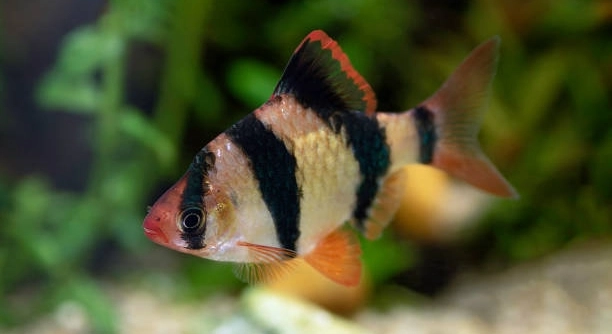
Tiger barbs are popular aquarium fish known for their vibrant colors and lively behavior. Many fishkeepers enjoy keeping them but sometimes struggle to maintain their health. Understanding common mistakes can help prevent untimely losses in your tank.
The most frequent causes of rapid death in tiger barbs include poor water quality, inappropriate tank mates, incorrect diet, overcrowding, sudden temperature changes, lack of hiding spots, and inadequate filtration. These factors create stressful conditions that lead to weakened immune systems and disease.
Knowing these pitfalls will improve your care routine and help keep your tiger barbs healthy and thriving for longer periods.
Poor Water Quality
Maintaining good water quality is essential for the health of tiger barbs. These fish are sensitive to toxins like ammonia, nitrites, and nitrates, which build up when tanks are not properly cleaned. Regular water changes and monitoring with test kits help keep these levels low. Without clean water, tiger barbs can become stressed, making them more vulnerable to illness. It’s important to cycle a new tank fully before adding fish, as an uncycled tank often has harmful chemicals. Also, avoid overfeeding, which contributes to waste and pollutes the water faster. Proper filtration supports water quality by removing debris and breaking down toxins. Consistent maintenance, including gravel vacuuming and filter cleaning, will create a stable environment where your tiger barbs can thrive.
Poor water conditions can quickly lead to sickness and death if not addressed promptly.
Keeping water clean prevents many health problems, supports fish activity, and reduces the risk of disease outbreaks. Monitoring water parameters regularly is a small effort that results in a healthier tank and longer life for your tiger barbs.
Inappropriate Tank Mates
Choosing the right companions for tiger barbs is important to avoid stress and aggression. Tiger barbs can be fin nippers and may harass slow-moving or long-finned fish. Peaceful species with similar activity levels, such as danios or certain tetras, tend to do better. Avoid housing them with aggressive fish that might harm or intimidate them. Overstocking the tank can increase conflicts, so keep the population balanced. Stress from incompatible tank mates weakens immune systems, making fish more prone to disease. Observing interactions closely during the first few days can help identify any problems early. Setting up plenty of hiding spots with plants or decorations also reduces tension and gives shy fish places to retreat. Careful planning of the community tank setup ensures harmony and healthier tiger barbs overall.
Incorrect Diet
A balanced diet is key to keeping tiger barbs healthy. Feeding only flakes or one type of food can cause nutritional deficiencies.
Tiger barbs need a mix of high-quality flakes, pellets, and live or frozen foods like brine shrimp or bloodworms. Variety provides essential proteins, fats, and vitamins to support growth and immune function. Overfeeding leads to poor water quality and obesity, so feed small amounts twice daily. Remove uneaten food promptly to avoid decay. Avoid feeding human food or fatty treats that can harm digestion. Consistent, nutritious feeding promotes vibrant colors and energy in tiger barbs, reducing their risk of illness.
Ignoring proper diet weakens fish, making them vulnerable to infections and shortening their lifespan.
Overcrowding the Tank
Too many fish in one tank causes stress and poor water conditions. Crowding limits swimming space and increases waste.
Overcrowding raises aggression levels among tiger barbs, causing fights and injuries. It also overwhelms filtration systems, making it difficult to maintain water quality. Stress from overcrowding lowers resistance to disease, increasing mortality rates. Providing at least 10 gallons per 6-8 tiger barbs helps maintain a healthy environment. Larger tanks with good filtration and regular water changes reduce risks. Thoughtful stocking balances fish numbers with tank size, keeping the community peaceful and stable. Avoid impulse additions and consider long-term care needs to ensure tiger barbs live well and safely.
Sudden Temperature Changes
Tiger barbs are sensitive to rapid shifts in water temperature. Sudden changes cause stress and weaken their immune system.
Maintaining a stable temperature between 74°F and 79°F is best. Use a reliable heater and thermometer to avoid fluctuations that can lead to illness or death.
Lack of Hiding Spots
Tiger barbs need places to retreat and feel secure. Without hiding spots, stress levels rise, affecting their health and behavior.
Providing plants, rocks, and decorations creates safe areas, reduces aggression, and helps maintain a balanced tank environment.
Inadequate Filtration
Good filtration removes waste and toxins from the tank. Poor filtration leads to dirty water and unhealthy living conditions.
Filters should be chosen based on tank size and fish load. Regular maintenance, such as cleaning or replacing filter media, ensures effective operation and better water quality.
FAQ
How often should I change the water in my tiger barb tank?
Regular water changes are vital. Aim for changing 20-30% of the water every week. This helps remove toxins and keeps the water parameters stable. More frequent changes might be needed if the tank is heavily stocked or if you notice water quality issues.
What is the ideal tank size for tiger barbs?
A minimum of 20 gallons is recommended for a small group of 6-8 tiger barbs. They are active swimmers and need enough space to move freely. Larger tanks help maintain stable water conditions and reduce aggression by giving fish more room.
Can tiger barbs live with other fish species?
Yes, but tank mates should be chosen carefully. Tiger barbs are semi-aggressive and may nip fins of slow or long-finned fish. Suitable companions include fast-moving fish like danios or certain tetras. Avoid small, delicate, or very peaceful fish that might be stressed.
What do tiger barbs eat?
They need a varied diet including high-quality flakes or pellets, supplemented with live or frozen foods like brine shrimp and bloodworms. Variety supports their nutritional needs and keeps them healthy. Avoid feeding only one type of food.
How can I tell if my tiger barbs are stressed?
Signs of stress include hiding excessively, loss of color, erratic swimming, and reduced appetite. Stress often results from poor water quality, overcrowding, or aggressive tank mates. Addressing these issues promptly improves fish well-being.
Why are my tiger barbs fighting?
Aggression can occur due to overcrowding, lack of hiding spots, or incompatible tank mates. Providing ample space, plants, and decorations helps reduce fights. Keeping them in groups of six or more also minimizes bullying, as aggression is spread among the group.
What temperature is best for tiger barbs?
Maintain water temperature between 74°F and 79°F. Use a reliable heater and thermometer to avoid sudden temperature fluctuations, which can stress the fish and lead to illness.
How often should I clean the filter?
Clean the filter monthly or when you notice reduced flow. Avoid washing filter media with tap water to preserve beneficial bacteria. Instead, rinse it gently in tank water during water changes. Proper filter maintenance is key to healthy water conditions.
What should I do if my tiger barb gets sick?
Isolate the sick fish if possible to prevent spreading disease. Test water quality and improve conditions if needed. Treat with appropriate medication based on symptoms. Consulting a fish health guide or expert can help identify the illness quickly.
Can I keep tiger barbs alone?
Tiger barbs are schooling fish and feel more secure in groups. Keeping a single tiger barb can lead to stress and abnormal behavior. It is best to keep at least six together to encourage natural social interactions.
How long do tiger barbs live?
With proper care, tiger barbs live around 5 to 7 years. Maintaining good water quality, a balanced diet, and a suitable environment helps maximize their lifespan. Neglect or poor conditions often shorten their life expectancy.
Are tiger barbs suitable for beginners?
They can be, but only if basic care needs are met consistently. Their active nature and hardiness make them a popular choice, but attention to water quality, diet, and tank mates is essential. Beginners should research thoroughly before adding them to a tank.
Final Thoughts
Caring for tiger barbs requires attention to several important factors to keep them healthy and thriving. Ensuring the water quality remains clean and stable is one of the most critical tasks. Regular water changes and proper filtration are necessary to remove harmful chemicals and waste that can quickly build up in the tank. Maintaining a consistent temperature within the ideal range also supports their well-being. Sudden changes in water conditions can cause stress, weakening their immune systems and making them more prone to illness. Paying close attention to these basics creates a strong foundation for successful fish care.
Choosing the right tank mates and providing enough space are equally important. Tiger barbs are active and sometimes aggressive fish, so their companions should be selected carefully to avoid conflicts. Overstocking the tank or pairing them with slow or delicate fish can cause stress and injuries. Including hiding spots and decorations helps reduce tension and allows all fish to feel secure. In addition, a well-balanced diet with varied foods supplies the nutrients tiger barbs need to stay healthy and display their best colors. Overfeeding should be avoided because it leads to water pollution and health problems.
By addressing these common mistakes, you can greatly improve the health and longevity of your tiger barbs. Regular monitoring of tank conditions, thoughtful community setup, and proper feeding habits all play a role in creating a stable and safe environment. Although tiger barbs are hardy, they rely on their keeper’s care to avoid problems that can shorten their lifespan. Taking these steps helps prevent illness and ensures your fish remain active and vibrant. Consistent care and attention are the keys to enjoying a beautiful and lively aquarium with healthy tiger barbs.

Hello,
If you enjoy the content that we create, please consider saying a "Thank You!" by leaving a tip.
Every little bit helps us continue crafting quality advice that supports the health, happiness, and well-being of pets around the world, for pets of all shapes, sizes, and species.
We really appreciate the kindness and support that you show us!