
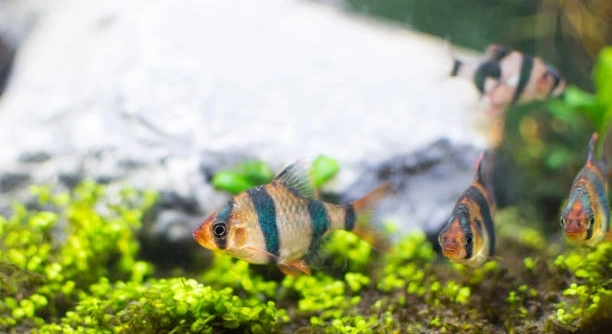
Are your barbs swimming unevenly, showing signs of stress, or struggling to thrive in your aquarium despite regular maintenance and feeding?
Keeping a balanced barb aquarium requires consistent water parameters, appropriate tank mates, and a varied diet. Barbs are active, semi-aggressive fish, so a stable environment with ample swimming space and enrichment is crucial for their well-being.
Maintaining this balance supports healthier behavior, vibrant colors, and a more peaceful aquatic environment your barbs can truly enjoy.
Choose the Right Tank Size
Barbs are energetic fish that need space to swim freely. A cramped tank can lead to aggression, stress, and poor water quality. For a small group of barbs, start with at least a 20-gallon tank. Larger species or larger groups will need even more space. A long, rectangular tank works best because it provides more horizontal swimming room. Avoid tall tanks with limited floor space. Overcrowding causes competition and poor filtration, so consider the adult size of each fish and how many you plan to keep. Space matters, especially with active species like tiger barbs or rosy barbs. Keep in mind that a bigger tank makes it easier to maintain water quality. Adding too many fish to a small tank throws everything off balance, including oxygen levels and waste buildup. The right tank size sets the foundation for a stable, stress-free environment where your barbs can stay active and healthy.
Pick a tank size based on the species and number of barbs you want to keep. Bigger is always better.
A large tank gives your barbs room to swim, helps maintain water quality, and prevents aggressive behavior. Barbs are schooling fish and should be kept in groups of five or more. When they’re in a group and have room to move, they’ll display their natural behavior. You’ll also see their colors become more vibrant. A proper tank also allows for better filtration and stable parameters. Skimping on size often leads to problems with aggression and stress-related illness. Investing in the right tank from the beginning makes everything easier—less work for you and a much better environment for your fish.
Maintain Consistent Water Conditions
Barbs prefer stable, slightly acidic to neutral water with a pH between 6.5 and 7.5 and a temperature of 74–79°F.
Weekly water testing is necessary to check for ammonia, nitrites, nitrates, and pH shifts. Fluctuations in water parameters can lead to stress and illness. Barbs are sensitive to sudden changes, even if they’re hardy fish overall. Use a reliable heater and thermometer to maintain a steady temperature. Perform 20–30% water changes weekly, and clean your filter regularly without removing beneficial bacteria. Avoid overfeeding, as leftover food breaks down quickly and can spike ammonia. Condition tap water with a dechlorinator before adding it to the tank. A good filtration system that matches your tank size helps keep the water clear and oxygenated. Stability is key—don’t make frequent adjustments unless necessary. If something is off, fix it gradually. Consistent water quality not only keeps your barbs active but also reduces the risk of infections and behavior problems.
Provide a Balanced Diet
Barbs need a mix of proteins, vegetables, and occasional treats to stay healthy. A varied diet keeps them active and helps boost their color and immunity. Avoid feeding the same food every day or relying only on flakes.
Feed them a mix of high-quality flakes or pellets along with frozen or live foods like brine shrimp and bloodworms. These protein-rich options support their energy levels and natural activity. Include blanched vegetables such as zucchini or spinach to improve digestion. Feed small portions two to three times a day, only what they can eat within a couple of minutes. Remove leftovers to prevent water issues. Overfeeding leads to bloating and pollutes the tank quickly. Rotate food types to keep their diet interesting and nutritious. A varied diet not only supports growth but also encourages natural foraging behavior, which helps reduce stress and aggression in your barb community.
Try to observe how your barbs react to different foods. Some may prefer live options, while others enjoy veggies more. This helps you tailor feeding routines and avoid waste. Stick to a regular feeding schedule, and don’t worry if they skip a meal occasionally. It’s healthier than overfeeding. With the right balance, you’ll notice brighter colors, more activity, and better overall health in your tank.
Avoid Aggressive Tank Mates
Barbs can nip fins or chase other fish when housed with incompatible species. Avoid placing them with slow-moving or long-finned tank mates like bettas or guppies. They do best with active, semi-aggressive fish of similar size.
Compatible tank mates include danios, rasboras, loaches, and other fast swimmers. These fish can match the barbs’ energy and reduce the chance of conflict. Keep barbs in groups of at least five to minimize aggression within their own school. When kept alone or in pairs, barbs are more likely to harass other tank mates. Monitor any new additions closely for the first few days. Rearranging the tank layout when introducing new fish helps prevent territorial behavior. Provide plenty of plants and hiding spots to break lines of sight and reduce chasing. Avoid mixing different types of barbs unless the tank is large enough to handle their activity and potential dominance displays.
Add Plants and Decorations
Live or silk plants help reduce stress by giving barbs places to explore and hide. Use a mix of tall and short plants to create shaded areas and natural barriers that break up their sightlines.
Decorations like driftwood, caves, and smooth rocks also help reduce boredom and aggression. Avoid sharp decorations that may injure active swimmers.
Monitor Behavior and Health
Watch for signs of stress like clamped fins, faded colors, or erratic swimming. These usually point to poor water conditions or tank mate issues. Isolate sick fish early if you notice symptoms like white spots, bloating, or rapid gill movement. Quarantine tanks are useful in controlling the spread of illness. If barbs start nipping more than usual, check for overcrowding or changes in water temperature. Always introduce new fish slowly after a quarantine period. Keeping a simple log of feeding, water changes, and behavior helps spot small issues before they grow into serious problems. Healthy barbs are alert, active, and display bright, even coloring.
Use Proper Lighting
Barbs don’t need intense lighting, but a regular day-night cycle helps maintain their routine. Use a timer to give them 8 to 10 hours of light daily. Too much light encourages algae growth and can stress the fish.
FAQ
How often should I perform water changes for my barb aquarium?
Regular water changes are essential for a balanced barb aquarium. Aim to change 20 to 30 percent of the water every week. This helps remove waste, excess nutrients, and toxins that build up over time. Weekly changes keep water parameters stable and reduce stress on your fish. Avoid changing too much water at once because it can cause sudden shifts in temperature and chemistry. Use a water conditioner to treat tap water before adding it to the tank. Consistency is more important than frequency, so stick to a schedule that fits your routine.
What is the best number of barbs to keep in one tank?
Barbs are schooling fish and do best in groups of five or more. Keeping fewer than five increases stress and aggression, as they feel insecure and may pick on each other or tank mates. Larger groups help distribute aggression evenly, which lowers conflict. Depending on your tank size, you can keep more barbs comfortably, but overcrowding should be avoided. For a 20-gallon tank, five to seven barbs is a good number. Bigger tanks allow larger groups, which also encourages natural schooling behavior and makes for a livelier display.
Can barbs live with other types of fish?
Yes, barbs can live with other fish, but it depends on the species. Choose tank mates that match their activity level and temperament. Avoid slow or long-finned fish like bettas and guppies because barbs may nip at their fins. Good companions include danios, rasboras, and some types of tetras or loaches. Always monitor interactions when introducing new fish and provide plenty of hiding places. Barbs prefer groups of their own kind, so keep them in schools to reduce aggression toward other species.
What should I feed barbs to keep them healthy?
Feed a varied diet that includes high-quality flakes or pellets as a base. Supplement with live or frozen foods such as brine shrimp, daphnia, or bloodworms to provide protein. Offer blanched vegetables like spinach or zucchini occasionally to support digestion and add nutrients. Feed small amounts two or three times daily, only what they can eat in a few minutes. Remove any leftover food promptly to avoid water pollution. A balanced diet improves color, activity, and overall health.
How do I prevent aggression among barbs?
Keep barbs in groups of five or more to minimize aggression. Provide plenty of space and hiding spots so they can escape when chased. Avoid overcrowding, as it increases stress and fighting. Choose compatible tank mates with similar temperaments. Rearrange tank decorations occasionally to break up established territories. Monitor behavior closely and remove any overly aggressive individuals if needed. Proper feeding and water quality also reduce tension in the tank.
What water parameters do barbs need?
Barbs prefer water with a pH between 6.5 and 7.5 and temperatures from 74 to 79°F (23 to 26°C). They thrive in slightly acidic to neutral, soft to moderately hard water. Maintain stable parameters with minimal fluctuations by testing water regularly. Use a heater and thermometer to keep temperature steady. Conditioning tap water to remove chlorine and chloramines is important. Good filtration and regular water changes keep ammonia and nitrite levels at zero and nitrates low.
How do I recognize signs of illness in barbs?
Look for symptoms such as faded colors, clamped fins, rapid gill movement, white spots, bloating, or lethargy. Erratic swimming or loss of appetite also signals health issues. Early detection is key to effective treatment. Quarantine new fish before adding them to the tank to prevent disease introduction. Maintain good water quality and avoid stress factors to reduce the risk of illness. When needed, consult a vet or experienced aquarist for advice on treatments.
How much lighting do barbs need?
Barbs do not need intense lighting but require a consistent day-night cycle. Provide 8 to 10 hours of light daily using a timer. This schedule helps regulate their behavior and supports any live plants in the tank. Too much light can cause algae growth and stress the fish. Use moderate lighting that mimics natural conditions for best results.
Can I keep different species of barbs together?
Different barb species can be kept together if the tank is large enough to provide space and hiding places. Be cautious as some species are more aggressive or active than others. Mixing barbs may increase chasing and dominance behavior. Observe interactions carefully and separate fish if aggression becomes excessive. Provide plenty of plants and decorations to reduce stress and territorial disputes.
What are common causes of stress in barb aquariums?
Stress can be caused by poor water quality, overcrowding, incompatible tank mates, sudden changes in temperature or pH, and lack of hiding spots. Overfeeding or underfeeding also contributes to stress. Stressed barbs may show dull colors, erratic swimming, or aggression. Keeping stable water conditions, proper stocking levels, a balanced diet, and an enriched environment helps prevent stress and keeps barbs healthy and active.
Keeping a balanced barb aquarium takes careful attention to several important details. These fish are active and sometimes a bit aggressive, so their environment must meet their needs for space, water quality, diet, and company. A properly sized tank with good filtration helps maintain clean, stable water. This is essential because barbs can be sensitive to sudden changes in temperature, pH, or ammonia levels. Regular water testing and partial water changes help keep the conditions just right. When water quality is stable, barbs show brighter colors, stay active, and are less prone to illness.
Feeding barbs a varied diet is also important. Offering a combination of high-quality flakes or pellets, along with live or frozen protein sources like brine shrimp or bloodworms, provides the nutrition they need. Including some vegetables like spinach or zucchini supports digestion and overall health. Feeding small amounts multiple times a day and removing any uneaten food prevents water pollution, which can lead to problems in the tank. A consistent feeding routine encourages healthy behavior and growth, while a balanced diet helps barbs maintain their energy and vibrant appearance.
Lastly, the social environment matters a lot to barbs. They are schooling fish and do best when kept in groups of at least five. This helps reduce aggression and encourages natural swimming patterns. Choosing compatible tank mates that can keep up with the barbs’ activity level prevents conflicts. Adding plants and decorations gives barbs places to hide and explore, which lowers stress and boredom. Watching their behavior regularly allows you to catch problems early, whether it’s illness, aggression, or water issues. With proper care and attention, a barb aquarium can be a lively and healthy habitat for these energetic fish.

Hello,
If you enjoy the content that we create, please consider saying a "Thank You!" by leaving a tip.
Every little bit helps us continue crafting quality advice that supports the health, happiness, and well-being of pets around the world, for pets of all shapes, sizes, and species.
We really appreciate the kindness and support that you show us!