
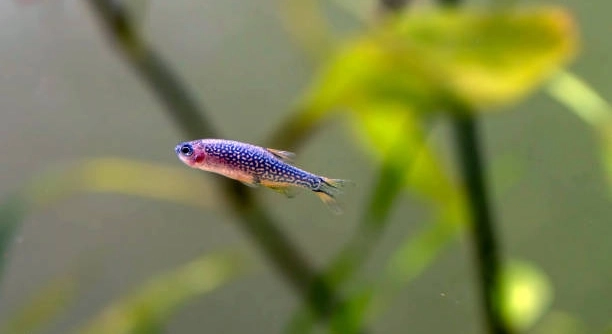
Keeping a Danio tank healthy requires careful attention to space and population. Overcrowding can affect fish behavior, water quality, and overall tank stability. Many aquarists overlook subtle signs, leading to stress and health issues in their fish.
An overcrowded Danio tank is indicated by rapid swimming, frequent aggression, stunted growth, and excessive waste accumulation. Water parameters often deteriorate quickly, causing low oxygen levels, higher ammonia concentrations, and increased susceptibility to disease, which can compromise the well-being of all tank inhabitants.
Recognizing these signals early can prevent long-term problems. Proper monitoring ensures your Danios remain active, healthy, and thriving in a well-maintained aquatic environment.
Signs of Stress in Danios
Danios can show stress in many ways, often before serious health issues appear. Rapid or erratic swimming, constant hiding, or rubbing against tank surfaces are common signs. They may also lose color, become lethargic, or stop eating properly. Stress can reduce immunity, making fish prone to infections and diseases. Water quality plays a big role, as overcrowding increases ammonia and nitrate levels. When Danios are stressed, their natural behavior changes, which can affect other tankmates. Observing your fish daily helps spot these changes early. Behavioral shifts like chasing, nipping, or sudden bursts of activity often signal an overcrowded tank. Even slight changes in activity or appetite should not be ignored. Ensuring proper tank size, maintaining filtration, and spacing decorations can reduce stress. Regular water testing, feeding schedules, and watching interactions helps maintain a healthy, calm environment for your Danios, keeping them vibrant and active over time.
Stress in Danios often leads to illness and a shorter lifespan if not addressed promptly.
Monitoring daily behaviors, maintaining clean water, and providing ample swimming space helps reduce stress and keeps your fish healthy.
Water Quality and Maintenance
Poor water quality is a direct result of too many fish in a tank. Overcrowding increases waste, raising ammonia and nitrite levels quickly. Even with a filter, water can become toxic if not monitored regularly. High nitrate levels reduce oxygen and make fish sluggish. Weekly partial water changes help, but in overcrowded tanks, these are often insufficient. Filters must be cleaned and inspected more frequently, and aeration should be increased to maintain oxygen levels. Maintaining a proper balance prevents diseases like fin rot or fungal infections, which thrive in poor water. Testing kits for ammonia, nitrites, and nitrates are essential tools for keeping your tank safe. Avoid overfeeding, as excess food contributes to faster waste accumulation. Observing water clarity and smell can give additional cues about potential problems. Keeping track of water parameters ensures the tank stays healthy and prevents stress-related behaviors from worsening. Overcrowding makes these tasks more frequent and demanding, so being vigilant is key.
Regular water testing, filtration, and partial water changes prevent dangerous conditions.
Overcrowded tanks demand constant attention. High fish density accelerates waste buildup, requiring daily monitoring. Filtration systems must be strong and cleaned often, and partial water changes should be more frequent to maintain chemical balance. Oxygen levels may drop faster, so using air stones or adjusting flow helps. Feeding smaller portions prevents excess waste. Even subtle shifts in water clarity or fish behavior should be addressed immediately. Consistent maintenance keeps Danios active and reduces stress-induced illnesses. Proper plant placement or decor can improve circulation and provide hiding spaces. Overcrowding increases the likelihood of disease spread, so quarantining new fish before adding them is important. Using test kits regularly helps track ammonia, nitrites, and nitrates, ensuring early detection of problems. Taking proactive steps protects your fish and promotes a stable, healthy tank environment.
Physical Signs in Fish
Bulging eyes, torn fins, and unusual spots can indicate overcrowding. Slow movement or constant hiding are also common physical signs. These changes usually appear gradually but worsen if the tank remains overpopulated.
Physical changes in Danios often result from increased stress and water quality issues. Overcrowding leads to more competition for space and food, which can cause nipping, torn fins, and uneven growth. Constant rubbing against surfaces or other fish may lead to injuries. Color fading or pale patches often occur as the fish struggle with higher stress levels. Stress weakens the immune system, making them more susceptible to diseases and infections. Regular observation helps catch these problems early, allowing for timely intervention and tank adjustments.
Monitoring for physical signs helps prevent long-term health issues. Maintaining proper population density, clean water, and adequate space ensures Danios remain vibrant and active. Adjusting tank size or relocating excess fish can alleviate most problems associated with overcrowding, supporting overall fish health and reducing stress-related injuries. Proper care encourages natural behavior, strong immunity, and consistent growth, keeping all tank inhabitants healthy over time.
Behavioral Changes
Frequent chasing, darting, or erratic swimming indicates overcrowding. Changes in feeding patterns or aggression are also strong behavioral signals.
Danios in crowded tanks often display continuous movement, constantly competing for space or food. Aggression may appear, with fish nipping at fins or chasing each other relentlessly. Schooling behavior may break down, and some fish may isolate themselves to avoid conflict. Overcrowding also leads to restlessness, with fish swimming near the surface or bottom more than usual. Stress from limited space reduces natural behaviors like exploring or interacting normally within the group. Behavioral observations are critical for early intervention, as prolonged stress can escalate physical health issues and shorten lifespan.
Addressing behavioral changes involves adjusting population density, providing hiding spots, and ensuring consistent feeding routines. A calmer environment allows Danios to regain normal activity levels. Properly spaced decorations, plants, and open swimming areas reduce conflicts and support natural schooling. Regular monitoring, combined with water quality maintenance, ensures stress-related behaviors are minimized. Early intervention preserves fish health and promotes a balanced, active, and thriving tank environment over time.
Reduced Growth and Health
Overcrowded Danios often grow slower than usual. Limited space and competition for food can stunt development.
Chronic stress from too many fish in the tank weakens immunity. This makes Danios more prone to infections, fin damage, and color loss.
Increased Waste Production
More fish naturally produce more waste, which raises ammonia and nitrate levels quickly. Poor filtration worsens the problem. High waste levels affect water clarity and can harm plants, creating a cycle of deteriorating conditions that further stresses the fish.
Uneven Distribution in Tank
Some areas of the tank may be crowded while others remain mostly empty. Fish compete for preferred spots near hiding places or decorations, leaving less dominant Danios stressed and isolated.
Difficulty Breeding
Overcrowding can prevent successful spawning. Stress and lack of space interfere with mating behaviors and egg survival.
How many Danios can I keep in a standard tank?
The number of Danios depends on the tank size. A general rule is one inch of fish per gallon of water. For active species like Danios, slightly more space is better. Overcrowding leads to stress, aggression, and faster water quality deterioration. Keeping fewer fish than the maximum capacity ensures each fish has room to swim freely and reduces the risk of disease. Observing behavior can help determine if the population is appropriate, as constant chasing, hiding, or rapid swimming may indicate the tank is too crowded.
What are the early signs of overcrowding?
Early signs include erratic swimming, increased aggression, and competition for food. Fish may start hiding more often or swimming near the surface to access oxygen-rich areas. Color may fade, and fins can become frayed from nipping. Even minor changes in behavior or appetite should be noted, as these often precede health problems. Monitoring daily helps catch issues early, allowing adjustments before water quality declines significantly. Minor overcrowding can often be solved by rearranging decorations, adding hiding spots, or slightly reducing the population.
Can water changes fix overcrowding issues?
Water changes help maintain water quality but do not solve overcrowding itself. They reduce ammonia, nitrite, and nitrate levels, temporarily improving conditions. However, if too many fish remain in the tank, stress and competition continue. Consistent water changes are necessary in crowded tanks but are not a replacement for proper population management. Combining partial water changes with improved filtration, aeration, and space adjustments is more effective for long-term health.
How can I reduce aggression in a crowded Danio tank?
Adding hiding spots, plants, and decorations helps fish avoid conflicts. Rearranging the tank periodically can break established territories and reduce persistent chasing. Feeding smaller, more frequent meals ensures less competition at feeding time. If aggression continues, removing some fish may be the only long-term solution. Monitoring interactions and adjusting the environment supports calmer behavior and protects weaker or less dominant fish.
Is it safe to add more Danios to a tank gradually?
Adding Danios slowly can be safer than introducing many at once, but it still depends on tank size. Each new fish increases waste production and stress. Quarantining new arrivals before adding them prevents disease spread. Observing how the current population reacts to newcomers helps decide if more additions are feasible. Maintaining proper filtration and performing water changes can help the tank accommodate gradual increases in population.
What is the impact of overcrowding on breeding?
Overcrowding reduces breeding success. Stress and limited space interfere with natural mating behaviors. Eggs and fry may be eaten or damaged due to competition and lack of hiding areas. Providing a separate breeding tank or reducing the main tank population improves survival rates. Ensuring adequate space, calm conditions, and clean water supports healthier breeding outcomes.
Can overcrowding affect long-term fish health?
Yes, prolonged overcrowding leads to stunted growth, weakened immunity, and shorter lifespans. Stress increases vulnerability to infections, fin rot, and other diseases. Maintaining proper population density and clean water ensures Danios grow normally and remain active. Regular observation helps detect early signs of stress or illness.
How often should I check water quality in a Danio tank?
In a densely populated tank, testing water at least twice a week is recommended. Ammonia, nitrite, and nitrate levels should remain low. Regular checks help prevent sudden spikes that can harm fish. Using test kits and keeping a log allows quick action if parameters begin to rise. Combining monitoring with proper filtration and water changes keeps conditions stable and minimizes overcrowding-related stress.
What steps can I take if my tank is already overcrowded?
Reducing population is the most effective solution. Rehoming some fish or upgrading to a larger tank gives remaining Danios more space. Improving filtration, increasing aeration, and adding plants or decorations can reduce stress in the meantime. Regular water changes and monitoring behavior help maintain health until the tank reaches a balanced population.
Maintaining a healthy Danio tank requires consistent attention and observation. Overcrowding is a common problem that can quickly affect fish health, water quality, and overall tank balance. It is not always obvious at first, as changes in behavior or appearance may be subtle. Paying attention to how your fish swim, interact, and respond to feeding can provide early warnings. Simple adjustments, like reducing the number of fish or rearranging decorations, often prevent stress from escalating. Clean water and proper filtration remain essential in any tank setup, but they cannot replace adequate space. Providing each fish room to swim freely, find hiding spots, and establish natural routines is crucial for long-term health. Even small overcrowding issues can lead to aggression, nipping, or weakened immunity if left unaddressed. Observing the tank daily helps catch these problems early and allows for timely action.
Proper tank management also involves understanding the needs of Danios as active, schooling fish. They thrive in environments where they can move freely, interact naturally, and avoid constant competition. Overcrowding increases stress, which reduces natural behavior and can stunt growth. Water quality deteriorates faster in densely populated tanks, creating conditions that encourage disease and weaken fish over time. Maintaining the right balance of fish, decorations, and open swimming space prevents many of these issues. Adding too many fish at once or ignoring behavioral signs can quickly disrupt the tank’s equilibrium. Ensuring that each fish has access to food, oxygen, and hiding areas supports both physical and mental health. Simple steps, like consistent water testing, partial water changes, and monitoring behavior, help create a stable environment. A calm, well-maintained tank encourages active schooling, vibrant colors, and strong immune systems.
Long-term success with Danio tanks depends on observation, maintenance, and population management. Even experienced aquarists benefit from watching daily behaviors and noting changes over time. Overcrowding may seem minor initially, but the effects accumulate quickly, from stress and aggression to disease and stunted growth. Adjusting tank size, reducing population, and improving water quality are practical solutions that directly enhance fish health. Supporting natural behaviors through adequate space and hiding spots reduces stress and fosters a thriving environment. By addressing overcrowding early and maintaining consistent care, Danios remain active, healthy, and visually vibrant. Proper attention to tank balance, water parameters, and fish interactions ensures long-term stability, allowing your aquatic community to flourish naturally.

Hello,
If you enjoy the content that we create, please consider saying a "Thank You!" by leaving a tip.
Every little bit helps us continue crafting quality advice that supports the health, happiness, and well-being of pets around the world, for pets of all shapes, sizes, and species.
We really appreciate the kindness and support that you show us!