
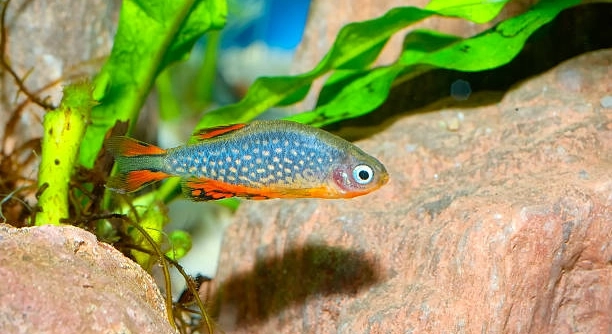
Have you ever noticed your danios swimming differently depending on the tank’s current? Observing these tiny fish can reveal a lot about their comfort levels and how water flow influences their daily behavior.
Danio comfort is directly affected by water flow intensity. Gentle currents allow natural swimming patterns, moderate flows encourage exercise, and strong flows may cause stress or fatigue. Maintaining an appropriate flow ensures health, reduces stress, and promotes overall well-being in captive danios.
Understanding how water flow impacts danios can help you create a more suitable habitat and support their natural behavior effectively.
Gentle Flow: Minimal Movement
A gentle water flow is ideal for tanks with newly introduced danios or small groups. These currents barely move the water, allowing fish to explore at their own pace without feeling pressured. Gentle flows reduce stress and help danios acclimate to their environment. In tanks with plants or delicate decorations, minimal movement prevents disruption of substrate and fragile foliage. This flow level is also easier to maintain consistently, reducing sudden fluctuations that might alarm the fish. Observing danios in gentle currents reveals natural behaviors such as hovering, gliding, and occasional bursts of speed without fatigue. Tanks with gentle flow are particularly suitable for breeding setups where eggs and fry are sensitive to strong currents. It also allows for easier feeding, as food particles remain accessible and do not get swept away. Overall, gentle flow promotes calm, stable, and predictable conditions, which support the long-term health and comfort of your danios.
Gentle flow keeps danios calm, encourages natural behavior, and prevents stress. It is easy to maintain and ideal for delicate tank setups.
This level of flow suits smaller tanks or planted setups where stability is crucial. Danios can explore freely, interact, and feed without struggling against currents. Gentle flow fosters comfort while supporting observation of normal behaviors like hovering and darting.
Moderate Flow: Active Swimming
Moderate water flow encourages exercise while remaining manageable for danios.
Moderate flow creates currents that stimulate swimming, keeping muscles active and promoting health. Fish can navigate easily without exhausting themselves, striking a balance between activity and comfort. Regular exposure to moderate flow helps develop stronger, more agile fish while maintaining a stable environment. It also prevents stagnant water, promoting better oxygenation and filtration. Observing danios in these currents shows natural schooling patterns and energetic movement, indicating that the fish are comfortable yet engaged. Moderate flow works well in community tanks, supporting various species without overpowering slower swimmers. Adjusting equipment to maintain moderate flow ensures that decorations and plants remain undisturbed. Feeding is straightforward, as the current gently disperses food, allowing fish to consume at their own pace. Overall, moderate flow strengthens the fish, promotes natural behavior, and enhances the tank’s ecosystem.
Maintaining moderate flow involves careful equipment selection and placement. Pumps, filters, and tank design influence current strength and distribution. It is essential to avoid sudden spikes in flow, as these can stress fish. Moderate flow works best when directed evenly across the tank, preventing dead zones where water stagnates. Plants and decorations can act as natural buffers, creating calm pockets while sustaining active currents elsewhere. Observing danios regularly ensures that they are comfortable and adjusting flow levels as needed can prevent stress-related behaviors. Regular cleaning and maintenance of pumps help maintain consistent flow, while careful monitoring ensures fish continue to benefit from the currents. In community setups, moderate flow supports interactions, encourages schooling, and helps maintain a healthy environment by balancing movement, oxygenation, and filtration. Properly managed, moderate flow enhances both fish activity and overall tank stability.
Strong Flow: Challenging Currents
Strong water flow can be stressful if not managed carefully. Danios may struggle to maintain position and expend more energy than necessary, which can affect feeding and rest. Proper placement of decorations can help break currents and provide calmer zones for recovery.
Danios in strong currents need space to swim freely without obstacles. Overcrowding or small tanks with powerful pumps can increase stress, leading to fatigue or unusual behaviors. Observing fish regularly is essential to ensure they are coping. Strong flow can improve muscle tone and endurance, but only if the environment allows for breaks from constant movement. Fish should have access to calmer areas created by rocks, plants, or filter placement to prevent continuous strain. Adjusting flow gradually helps fish acclimate without sudden shock.
For tanks with strong currents, equipment choice is critical. Filters and pumps should be positioned to distribute water evenly, while areas with plant cover or tank corners can act as refuges. Danios will use these calm zones to rest or feed. Strong flow encourages active swimming, which can benefit overall health, but monitoring is necessary to prevent exhaustion. Maintaining water quality and ensuring that food reaches all fish is also important, as currents can disperse particles too quickly. Observing schooling behavior helps gauge comfort levels and determine if flow adjustments are needed.
Variable Flow: Alternating Speeds
Variable flow allows danios to experience both calm and active currents in the same tank. This simulates natural river environments and provides stimulation without constant strain.
Alternating water speed encourages natural behaviors, such as schooling and chasing, while allowing rest in calmer areas. Timed pumps or adjustable filters can create cycles of strong and gentle currents, supporting activity and reducing boredom. Fish learn to navigate changing conditions, improving agility and response times. Variable flow also helps prevent stagnant zones, promoting better oxygenation and filtration. Placement of plants and decorations can enhance flow variability, creating microhabitats where fish can choose their preferred current. Regular observation ensures the setup remains beneficial.
Variable flow benefits both physical and mental health. Danios can exercise in stronger currents, then relax in gentler zones. It mimics natural habitats where water speed fluctuates with rainfall or river bends. Adjustable pumps make it easier to maintain, and observation ensures that fish are not overexerted. Providing hiding spots, plant clusters, and open areas balances challenge and comfort. This approach supports natural behaviors, enhances muscle development, and encourages exploration. Tanks with variable flow create dynamic, engaging environments that keep fish active and healthy while minimizing stress.
Minimal Flow: Almost Still
Minimal flow is ideal for tanks with very small or weak danios. The water barely moves, allowing fish to rest and explore without effort.
This flow reduces stress and supports delicate tank setups. It keeps food accessible and prevents disruption of plants or substrate, maintaining a calm environment for the fish.
Turbulent Flow: Fast and Unpredictable
Turbulent flow creates rapid, uneven currents that challenge danios’ swimming abilities. Fish may struggle to maintain position, which can increase stress and fatigue. Careful placement of decorations and plants is necessary to provide safe zones. Turbulent currents mimic natural conditions in rivers but are not suitable for all tanks. Regular observation is essential to ensure fish remain healthy. Adjusting pump strength gradually can help danios adapt to faster water movement. Turbulent flow improves muscle tone and agility if managed carefully. Overly strong turbulence without calm areas may lead to erratic swimming, aggression, or difficulty feeding. Proper setup balances challenge and safety while supporting natural behavior.
Steady Flow: Constant Speed
Steady flow keeps water movement uniform across the tank. Danios can swim consistently without sudden changes, promoting stable exercise and comfort.
FAQ
How do I know if my danios are stressed by water flow?
Signs of stress include erratic swimming, hiding excessively, or clinging to tank edges. Fish may also struggle to eat if currents are too strong. Observing their behavior during feeding or resting periods helps determine if adjustments are needed. Providing calm zones or plants can help them cope with stronger currents.
What is the best flow level for a beginner tank?
Gentle to moderate flow works best for beginner setups. Gentle currents allow danios to acclimate, while moderate flow encourages swimming without causing fatigue. Avoid strong or turbulent currents until the fish have adjusted to the tank and are healthy. Proper placement of filters and decorations helps maintain manageable flow.
Can water flow affect breeding in danios?
Yes, flow plays a role in breeding. Gentle currents prevent eggs from being swept away, while moderate flow can stimulate natural swimming and courtship behaviors. Turbulent or strong flows may disrupt spawning and harm fry, so careful adjustment is necessary during breeding periods.
How often should I adjust the water flow?
Flow should generally remain consistent once the tank is established. Sudden changes can stress fish. Minor adjustments are acceptable when adding plants, rearranging decorations, or upgrading equipment. Monitoring fish behavior is key to deciding if changes are necessary.
Will high flow improve danio health?
High flow can enhance muscle tone and endurance, but only if fish have access to calmer areas. Continuous strong currents without rest may cause fatigue and stress. Providing varied currents allows exercise while maintaining comfort, supporting long-term health.
Are certain danio species more sensitive to water flow?
Yes, smaller or juvenile danios are more sensitive, struggling in strong currents. Some species naturally prefer calmer waters, while others are adapted to fast-flowing environments. Understanding your species’ preferences ensures proper flow management.
How do decorations affect flow and fish comfort?
Plants, rocks, and driftwood can break up currents, creating calm zones. Strategically placed decorations allow danios to rest and avoid excessive strain. They also help direct water evenly and prevent dead zones, supporting overall tank health.
Can variable flow benefit danios in long-term tanks?
Variable flow simulates natural conditions, encouraging activity and exploration. Alternating strong and gentle currents improves agility, reduces boredom, and supports mental stimulation. Including calm zones ensures fish can rest when needed. Observing behavior helps fine-tune flow cycles for optimal comfort.
What equipment helps control water flow effectively?
Adjustable filters and pumps provide precise flow control. Powerheads can create localized currents, while sponge filters or baffles can reduce strength in specific areas. Regular maintenance ensures flow remains consistent, preventing fluctuations that may stress fish.
Is water flow linked to oxygenation in the tank?
Yes, moving water improves oxygen distribution and supports filtration. Moderate flow ensures better gas exchange at the surface, benefiting fish health. However, excessively strong currents without calm areas may lead to exhaustion, so balance is important.
How do I transition danios to a new flow level?
Gradual adjustments are best. Slowly increase or decrease pump strength over days to allow adaptation. Observe swimming patterns, feeding, and resting behavior to ensure fish are coping. Adding hiding spots or plant clusters can help during the transition period.
Can improper flow affect feeding behavior?
Strong currents may sweep food away too quickly, causing stress or missed meals. Gentle or moderate flow ensures food is accessible, allowing all fish to eat without fighting the current. Strategic placement of feeding zones improves success.
What is the impact of stagnant water on danios?
Minimal or still water can lead to poor oxygenation and uneven filtration. While some calm areas are necessary, completely stagnant water may encourage algae growth and reduce water quality. Moderate circulation supports a healthy environment without overwhelming the fish.
How do I balance flow in a community tank?
Consider the needs of all species. Danios generally tolerate moderate flow, but slower swimmers may require calm zones. Using plants, rocks, or baffles creates areas of varying current, allowing each species to find comfortable spots. Regular observation ensures all fish remain healthy and active.
Does water temperature interact with flow for danio comfort?
Yes, higher temperatures reduce oxygen levels, making strong currents more taxing. Cooler water holds more oxygen, allowing more active swimming. Monitoring both temperature and flow ensures fish remain comfortable and stress-free in their environment.
How often should I monitor flow effects on danios?
Daily observation is ideal, especially after adjustments or equipment changes. Look for changes in swimming patterns, schooling, or resting behavior. Quick interventions prevent long-term stress and maintain a healthy, balanced habitat.
Can flow levels change over time as fish grow?
Yes, juvenile danios often prefer gentler currents, while adults may tolerate moderate to strong flow. Adjusting flow as fish grow helps support healthy development and prevents stress related to unsuitable currents.
Is there a risk of injury from strong currents?
Excessive flow can lead to collisions with decorations or tank walls, causing injury. Providing calm zones and strategically placed plants helps mitigate this risk. Monitoring fish behavior and ensuring proper space prevents accidents and supports well-being.
Do flow patterns influence social behavior in danios?
Yes, currents affect schooling, chasing, and resting habits. Proper flow encourages natural interaction while preventing dominance or fatigue. Variable currents allow fish to exercise choice, fostering healthier social dynamics and reduced stress.
How do I combine flow control with filtration?
Filters contribute to water movement while maintaining cleanliness. Adjusting filter output controls flow without sacrificing filtration efficiency. Placement and baffles help distribute water evenly, preventing strong currents in sensitive areas while ensuring proper tank circulation.
Can I measure flow strength accurately in a tank?
Yes, tools like flow meters or timed leaf tests provide estimates. Observing debris or bubbles can indicate relative speed, while trial adjustments and fish behavior help fine-tune settings for comfort and health.
How long should danios be exposed to stronger currents?
Exposure should be balanced. Extended periods of strong flow without rest may exhaust fish. Alternating strong and gentle currents or providing calm areas ensures exercise without stress, promoting long-term physical and mental well-being.
Are there signs that danios prefer calmer areas?
Frequent hovering, resting near plants, or avoiding strong currents indicate a preference for calmer zones. Observing these behaviors helps adjust tank layout or flow to meet comfort needs. Providing choice allows fish to regulate their own activity and stress levels.
What are common mistakes when managing flow for danios?
Common mistakes include sudden changes in flow, neglecting calm zones, overestimating fish endurance, and ignoring tank layout. Careful monitoring, gradual adjustments, and observing behavior help avoid stress and ensure a comfortable, healthy environment for danios.
How do I create a balanced flow environment efficiently?
Combine adjustable pumps, baffles, and decorations to create calm and active zones. Gradual adjustments and regular observation ensure currents meet fish needs. Balancing filtration, oxygenation, and swimming space supports health while mimicking natural conditions effectively.
Is it necessary to adjust flow seasonally or with water changes?
Seasonal temperature shifts or water changes can affect flow perception. Adjusting pump output or filter placement may be necessary to maintain consistent conditions. Monitoring fish behavior after changes ensures they remain comfortable and stress-free.
How important is observation in flow management?
Observation is critical. Fish behavior provides the most reliable feedback on comfort and stress. Regularly watching swimming patterns, schooling, and feeding allows timely adjustments and ensures long-term well-being.
What role do plants play in moderating flow?
Plants break currents, create hiding spots, and buffer turbulent water. Dense foliage can slow water, while open areas allow active swimming. Thoughtful plant placement balances exercise and rest, supporting natural behavior and reducing stress.
Can flow levels affect water clarity or debris accumulation?
Yes, insufficient flow may cause debris buildup, while strong currents may scatter particles too quickly. Balanced flow ensures proper filtration, water clarity, and food distribution, maintaining both comfort and cleanliness.
How do I know if my setup is optimal for danios?
Healthy swimming, normal feeding, natural schooling, and minimal stress behaviors indicate optimal flow. Adjusting equipment gradually and observing responses ensures the tank remains suitable for their needs over time.
Are there differences in flow preferences between indoor and outdoor tanks?
Outdoor tanks may experience natural fluctuations in temperature and water movement. Danios may tolerate slightly stronger currents if oxygen levels are high. Indoor tanks benefit from controlled, consistent flow that matches species-specific needs and tank size.
What is the safest way to introduce a new flow system?
Introduce gradually by increasing pump speed over several days. Monitor fish closely, provide calm zones, and adjust decorations if needed. Gradual acclimation reduces stress and ensures fish adapt comfortably.
Can I use multiple pumps for variable flow zones?
Yes, multiple pumps allow precise control over current in different areas. Combining strong and gentle zones lets fish choose their preferred flow. Strategic placement and regular observation maintain balance and prevent stress.
How does flow interact with tank size for danios?
Larger tanks can handle stronger currents without overwhelming fish, while small tanks may require gentler flow. Consider volume, surface area, and decor when determining appropriate water movement to maintain comfort and health.
Does lighting affect how fish respond to flow?
Bright lighting may encourage activity or stress in combination with strong currents. Dim or natural lighting can reduce anxiety and allow calmer interaction with water flow. Observing fish behavior under various lighting conditions ensures comfort.
Can adjusting flow improve overall tank health?
Yes, appropriate flow supports oxygenation, waste removal, and natural behavior. Balanced currents prevent stagnant areas and overexertion, promoting a healthy ecosystem that benefits both fish and plants.
Is there a simple method to test if flow is too strong?
Place a floating object or bubble near the surface. If it moves too quickly or is constantly forced against the tank edge, flow may be excessive. Adjust pump strength gradually to achieve manageable current.
How long does it take for danios to adapt to new flow conditions?
Adaptation can take hours to several days depending on strength changes. Observing feeding, swimming, and resting patterns helps determine when fish have adjusted comfortably. Providing calm zones speeds up adaptation.
Are there any permanent effects of improper flow?
Prolonged exposure to unsuitable currents can lead to chronic stress, weaker immune systems, or abnormal swimming behaviors. Immediate correction and providing rest areas help mitigate long-term consequences.
How do I combine flow control with temperature regulation?
Flow can influence perceived water temperature through mixing. Ensure pumps distribute water evenly, preventing hot or cold spots. Monitoring both flow and temperature ensures stable, comfortable conditions for danios.
Can flow impact social hierarchy in schooling fish?
Yes, currents influence positioning and movement within schools. Proper flow allows natural spacing, reduces aggression, and promotes balanced social interaction without constant competition for favorable positions.
Is it safe to let danios choose their preferred flow?
Allowing fish to select their preferred current by providing calm and active zones supports autonomy, reduces stress, and encourages natural behaviors. Observation ensures all individuals have access to suitable conditions.
How do I maintain consistent flow over time?
Regular maintenance of pumps, filters, and baffles prevents clogging and fluctuations. Periodic monitoring ensures equipment functions correctly, maintaining stable, reliable flow for fish comfort and health.
Can substrate type influence flow effects?
Yes, fine sand or gravel may shift in strong currents, creating uneven surfaces. Heavier or compacted substrates resist movement, helping maintain stability and reducing stress for fish navigating the tank.
What are the benefits of alternating calm and strong flow within the same tank?
Alternating flow encourages exercise, mental stimulation, and natural behaviors while allowing rest. Calm zones prevent fatigue, and strong currents improve strength and agility. This balance supports healthy, active, and stress-free danios in a controlled environment.
How often should flow adjustments be evaluated?
Regularly, especially after equipment changes, rearrangements, or growth of fish. Monitoring behavior ensures that currents remain appropriate, preventing stress and promoting long-term health.
Can strong currents improve feeding efficiency?
Yes, moderate strong flow can disperse food naturally, mimicking drifting particles. Care is needed to prevent excessive dispersion that may leave some fish unable to feed adequately.
Does flow affect water chemistry in any way?
Flow improves oxygenation and circulation, which supports stable pH and reduces buildup of harmful compounds. Inadequate movement can lead to stagnation, while excessive flow may disturb sediment and release nutrients rapidly.
How do I know if calm zones are sufficient?
If fish frequently use these areas for resting, feeding, or hiding, zones are adequate. Lack of use may indicate insufficient shelter or inappropriate placement. Observing fish patterns guides adjustments.
Are there any special considerations for small tanks?
Small tanks are more sensitive to strong currents. Gentle to moderate flow is usually best. Careful pump placement and use of plants or baffles create comfortable spaces without overwhelming the fish.
What is the role of observation in maintaining optimal flow?
Observation is the primary tool for assessing comfort. Watching swimming, feeding, resting, and schooling behavior helps identify stress and guides flow adjustments to maintain a healthy, balanced tank environment.
Can improper flow affect growth rates in juvenile danios?
Yes, excessive stress from strong currents may reduce feeding efficiency and stunt growth. Gentle or moderate flow promotes exercise, feeding, and development while minimizing fatigue or behavioral issues.
How do I troubleshoot uneven flow in the tank?
Check pump placement, obstructions, and baffles. Adjust positioning or add plants to distribute water more evenly. Testing with floating objects or observing fish behavior identifies problem areas.
Does adding more fish require flow adjustments?
Yes, increased population can alter current patterns. Additional fish may need calm zones and more evenly distributed flow to prevent stress and ensure everyone can swim and feed comfortably.
Can flow influence algae growth?
Yes, stagnant areas encourage algae buildup. Moderate, even flow prevents accumulation while strong localized currents may reduce algae in specific zones. Balance helps maintain clean, healthy tank conditions.
Is there a recommended sequence for setting up flow in a new tank?
Install filtration and pumps first, place decorations strategically, and start with gentle flow. Observe fish and gradually increase strength if needed. Adjust based on behavior and tank layout to ensure comfort and proper circulation.
How do I balance plant growth with water flow?
Flow promotes nutrient distribution but may uproot delicate plants if too strong. Use gentle to moderate currents and anchor plants securely. Observing plant stability helps maintain both vegetation and fish comfort.
Can flow management reduce aggression among danios?
Yes, providing calm zones and variable currents reduces competition for space and food. Balanced flow encourages schooling and natural interactions, minimizing territorial disputes and stress-related aggression.
What are common signs of overexertion from flow?
Fish may appear fatigued, struggle to maintain position, or avoid active zones. Reduced feeding, erratic swimming, and resting excessively indicate overexertion. Adjusting currents and providing calm areas corrects these issues.
How do I combine variable flow with filtration efficiency?
Use adjustable pumps and baffles to create alternating currents while ensuring proper water movement through filters. Distribute flow evenly to maintain oxygenation, remove debris, and support overall tank health without stressing fish.
Can substrate and décor placement create natural flow patterns?
Yes, rocks, plants, and driftwood guide water movement, create eddies, and calm areas. Strategic placement allows fish to navigate comfortably, exercise in currents, and rest safely, balancing challenge and comfort.
Are there long-term benefits to well-managed flow?
Yes, proper flow improves fish health, behavior, and activity levels. It supports oxygenation, filtration, and natural behaviors while reducing stress, fatigue, and aggression, resulting in a balanced, thriving tank environment over time.
How can I test if all fish are benefiting from current flow?
Observe swimming patterns, feeding, schooling, and resting behavior. Uniform activity and access to calm zones indicate that flow is suitable. Adjusting flow in response to behavior ensures all fish benefit without undue stress.
Can sudden equipment failure affect flow and danio health?
Yes, sudden pump or filter failure can reduce water movement, causing stagnation, stress, and disrupted feeding. Backup plans, spare equipment, or temporary manual circulation help maintain comfort until repairs are made.
Does flow affect temperature distribution in the tank?
Yes, currents mix water and prevent hot or cold spots. Even distribution supports consistent conditions, reducing stress from localized temperature extremes and ensuring a stable environment for danios.
How do I maintain flow as plants grow and tank matures?
Adjust pumps, baffles, and decoration placement to account for plant growth and layout changes. Observation ensures fish continue to have access to both active currents and calm zones, maintaining comfort and natural behavior.
Is it possible for danios to prefer different flow levels at different times?
Yes, fish may seek calmer areas while resting and more active zones while swimming or feeding. Providing varied currents allows them to self-regulate, balancing exercise and comfort naturally.
How does water clarity interact with flow levels?
Flow influences debris distribution and water movement. Moderate currents keep water clear and well-oxygenated, while stagnant zones may accumulate debris. Strong localized currents may scatter particles too quickly, affecting feeding and observation.
Can flow management reduce mortality in tanks?
Yes, maintaining appropriate flow reduces stress, prevents exhaustion, supports feeding, and ensures oxygenation. Balanced currents create a safer, healthier environment, decreasing risk of disease or stress-related death.
What is the role of calm zones in a high-flow tank?
Calm zones allow rest, feeding, and recovery from strong currents. They prevent fatigue, support natural behavior, and give fish choice, which is essential for maintaining health and comfort in tanks with strong or variable flow.
How do I know if flow adjustments are needed after tank rearrangement?
Observe fish behavior closely. Increased hiding, reduced swimming, or difficulty feeding indicates that currents may be too strong or uneven. Adjust pumps, baffles, or decorations to restore balanced flow.
Can variable flow improve mental stimulation for danios?
Yes, alternating currents encourage exploration, agility, and schooling behaviors. Mental stimulation reduces boredom, supports natural instincts, and promotes healthier interactions in the tank environment.
Are there special considerations for tanks with fry?
Fry are extremely sensitive to currents. Gentle flow or still areas prevent displacement, injury, or stress. Variable flow should be introduced gradually and only when fry are strong enough to handle movement safely.
How can I fine-tune flow for mixed-age groups?
Provide calm zones for juveniles and fry, while allowing adults to access moderate to strong currents. Observation ensures all age groups can feed, rest, and swim comfortably without overexertion.
Is continuous monitoring required for optimal flow?
Yes, regular observation ensures currents remain suitable as fish grow, equipment ages, or tank layout changes. Timely adjustments maintain comfort, health, and natural behavior over time.
How do I address uneven flow caused by obstructions?
Reposition decorations, plants, or equipment to redirect water evenly. Baffles
Final Thoughts
Managing water flow in a danio tank is one of the most important factors in keeping your fish healthy and comfortable. Different flow levels affect how danios swim, feed, and interact with each other. Gentle flows allow them to rest and explore without expending too much energy, while moderate currents encourage exercise and natural schooling behavior. Strong flows can be beneficial for muscle development and agility, but they must be balanced with calmer zones to prevent stress and fatigue. Variable flow, which alternates between gentle and stronger currents, can mimic natural environments and provide mental stimulation, allowing fish to engage in different activities while still having areas to rest. Observing your fish regularly helps you understand their preferences and adjust the flow accordingly.
The tank setup, including decorations, plants, and equipment placement, plays a key role in controlling water movement. Plants and rocks can act as buffers, breaking currents into gentler pockets where fish can rest or feed. Filters and pumps should be positioned carefully to maintain consistent flow without creating overly strong or uneven currents. In smaller tanks, even moderate flow can feel strong, so it is important to monitor how your danios respond. Larger tanks allow for more variation in current, but calm areas are still necessary for resting and feeding. Over time, fish behavior can indicate if flow adjustments are needed. Signs such as hiding, erratic swimming, or avoidance of certain areas suggest the current may be too strong. Providing a balanced environment supports both physical and mental well-being and helps ensure the tank ecosystem remains stable.
Understanding and managing water flow is not just about fish comfort; it also impacts overall tank health. Proper flow improves oxygenation, helps maintain water clarity, and prevents debris buildup. It also affects feeding efficiency, as food needs to remain accessible without being swept away. By creating a dynamic environment with a mix of calm and active areas, you can promote natural behaviors, reduce stress, and support long-term health. Adjusting flow gradually and observing fish regularly ensures that any changes in behavior or tank layout are addressed quickly. The goal is to create a stable and comfortable habitat where danios can swim freely, feed effectively, and exhibit their natural behaviors. When water flow is carefully managed, your tank becomes a healthier and more enjoyable environment for both the fish and the caretaker, making the effort well worth it.

Hello,
If you enjoy the content that we create, please consider saying a "Thank You!" by leaving a tip.
Every little bit helps us continue crafting quality advice that supports the health, happiness, and well-being of pets around the world, for pets of all shapes, sizes, and species.
We really appreciate the kindness and support that you show us!