
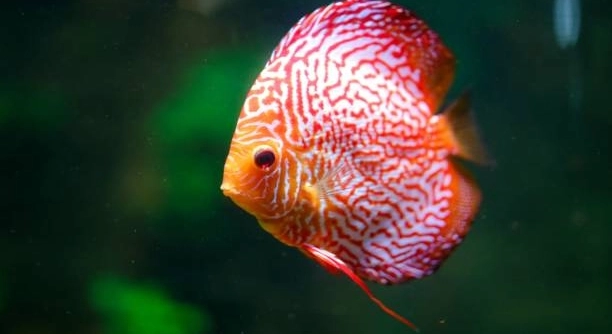
Discus fish are popular for their vibrant colors and graceful movements in home aquariums. Many owners want to ensure their fish are comfortable and thriving in their environment. Recognizing signs of happiness in discus fish can improve their care and wellbeing.
A happy discus fish typically displays bright colors, active swimming patterns, regular eating habits, and interacts calmly with its surroundings. These behavioral and physical indicators provide reliable evidence of the fish’s overall health and comfort in its habitat.
Understanding these signs will help you maintain a healthy environment for your discus fish. The following tips explain clear ways to observe and support their happiness effectively.
Bright Colors and Vibrant Appearance
The color of a discus fish is one of the clearest signs of its happiness. When a discus fish feels comfortable, its colors tend to be bright and vivid. Dull or faded colors can indicate stress or illness. Healthy discus fish often show a consistent, rich hue across their body, which means their environment meets their needs. Proper water quality, good nutrition, and minimal disturbances contribute to maintaining their vibrant appearance. Watching your fish regularly helps you notice even slight changes in color that might need attention. This makes color a reliable way to gauge your discus’s wellbeing.
Bright and vibrant colors signal a healthy and happy discus fish. Keep an eye on any changes as they can indicate stress or health issues.
Maintaining bright colors involves consistent care. Regular water changes and balanced feeding keep the fish in good shape. Avoid sudden changes in tank conditions, as discus fish are sensitive to their environment. Keeping their tank clean and stable helps preserve their natural colors and boosts their immune system. In addition to water quality, a varied diet with high-quality food supports coloration. Offering foods like pellets, flakes, and frozen options ensures they get the nutrients needed for strong colors. Finally, avoiding overcrowding reduces stress and allows discus fish to display their true colors confidently.
Active Swimming and Social Behavior
Discus fish that swim actively and explore their tank generally indicate contentment. Slow, lethargic movement can be a sign of discomfort or illness. Active swimming shows they feel secure in their surroundings.
Active swimming helps discus fish stay healthy by promoting good circulation and muscle tone. In a well-maintained tank, they interact peacefully with other fish. Social behavior includes swimming in groups or near tank mates without aggression. When discus fish hide often or isolate themselves, it may suggest stress. Keeping their tank environment stable encourages natural social interactions. Providing enough space and hiding spots helps discus fish feel safe and confident. This positive behavior signals they are comfortable and happy.
Ensuring proper tank conditions and regular observation can support healthy swimming and social habits. Consistent care helps discus fish thrive in community settings and enjoy a balanced life.
Regular Eating Habits
Consistent eating is a key sign of a happy discus fish. They usually eat eagerly when food is offered and show interest in their meals.
A healthy discus fish will approach food quickly and eat a good amount during feeding time. Skipping meals or showing little interest can mean stress or illness. Offering varied, nutritious food encourages regular eating habits. Maintaining good water quality also supports appetite. Changes in diet or environment may temporarily affect feeding, but prolonged loss of appetite should be addressed. Monitoring eating behavior helps catch problems early and ensures your fish remains strong and active.
Feeding small portions several times a day mimics their natural habits. This prevents overfeeding and keeps water conditions stable. Frozen or live foods, such as bloodworms and brine shrimp, provide essential nutrients. Avoid sudden diet changes to reduce stress. Regular feeding routines build trust between you and your discus fish, making them more responsive and happier in their tank environment.
Calm Interaction with Surroundings
Discus fish that are calm and not overly skittish display comfort in their environment. They react gently to movements near the tank and do not hide constantly.
Calm behavior shows the fish feels safe and secure. When discus fish are relaxed, they swim confidently and explore their tank without panic. Stress or poor water conditions cause sudden darting or hiding. Consistent tank maintenance reduces disturbances that might upset the fish. Providing natural decorations, like plants or driftwood, helps create hiding spots and lowers stress levels. Calm discus fish tend to stay near other tank mates peacefully and avoid aggressive displays.
Creating a quiet, stable environment encourages calm behavior. Limit loud noises and avoid rapid lighting changes near the tank. Gradually introducing new fish or rearranging decorations helps discus fish adjust smoothly. Observing their responses regularly allows early detection of stress signs. A calm discus is a healthy discus, and maintaining peaceful conditions supports their wellbeing and longevity.
Clear Breathing and Gills Movement
Healthy discus fish breathe steadily and calmly. Rapid gill movement can indicate stress or poor water quality.
Monitoring gill movement helps detect early signs of trouble. Regular observation ensures the fish is comfortable and the tank environment is stable.
Clean and Intact Fins
Discus fish with clean, undamaged fins are generally healthy and happy. Torn or clamped fins may signal illness or stress.
Maintaining good water conditions and avoiding aggressive tank mates protects the fins. Healthy fins allow the fish to swim properly and avoid injury.
Consistent Body Shape
A discus fish with a well-rounded, symmetrical body is typically healthy. Sudden changes in body shape can indicate health issues.
Regular feeding and clean water support proper growth. Watching for any abnormalities helps catch problems early and maintain overall wellbeing.
FAQ
How often should I feed my discus fish?
Feeding discus fish two to three times a day with small portions is ideal. Overfeeding can lead to poor water quality and health issues. Providing a varied diet of pellets, flakes, and frozen foods keeps them nourished and interested in their meals.
What water parameters are best for discus fish?
Discus fish prefer warm water between 82°F and 86°F (28°C to 30°C). The pH should stay slightly acidic to neutral, around 6.0 to 7.0. Soft water with low hardness is also important. Regular testing helps maintain these conditions.
Why is my discus fish hiding all the time?
Constant hiding often means stress or discomfort. Possible causes include poor water quality, aggressive tank mates, or sudden changes in the environment. Check the tank conditions and provide adequate hiding spaces to reduce stress.
Can discus fish live with other species?
Discus fish can live with peaceful, slow-moving fish that tolerate warm, soft water. Avoid aggressive or very active species. Suitable tank mates include tetras, dwarf cichlids, and Corydoras catfish.
How do I prevent diseases in discus fish?
Maintaining clean water and stable conditions is the best prevention. Quarantine new fish before adding them to the tank. Observe your discus regularly for signs of illness such as changes in color, appetite, or behavior.
What are common signs of illness in discus fish?
Signs include faded colors, clamped fins, rapid breathing, loss of appetite, and lethargy. White spots or unusual growths also signal problems. Early detection and treatment improve recovery chances.
How large should my discus tank be?
A minimum of 50 gallons is recommended for a small group of discus. They prefer to live in groups of at least five or six. Larger tanks provide stable water parameters and space for swimming.
How often should I change the water?
Regular water changes of 20-30% once or twice a week help keep the water clean and stable. Frequent changes prevent the buildup of harmful substances that stress discus fish.
Is it necessary to use a heater for discus fish?
Yes, because discus require warm temperatures, a reliable heater is essential. Sudden temperature drops can cause stress and illness.
How do I know if my discus fish is stressed?
Signs include hiding, rapid breathing, faded color, and erratic swimming. Stress often results from poor water quality, sudden changes, overcrowding, or aggressive tank mates.
What kind of substrate is best for discus tanks?
Fine sand or smooth gravel works well. It is easy to clean and safe for the discus’s delicate fins and bodies.
Can discus fish recognize their owners?
Discus fish can learn to recognize feeding routines and may react to familiar movement near the tank. They do not have complex recognition like mammals but can become comfortable with their caretakers.
How important is tank decoration for discus fish?
Providing plants, driftwood, and hiding places helps reduce stress. Decorations create a natural environment that promotes calm behavior and allows fish to feel secure.
Can discus fish breed in a home aquarium?
Yes, but it requires stable, ideal conditions and a separate breeding tank. Breeding discus need clean water, proper diet, and minimal disturbance to encourage spawning and fry survival.
What should I do if my discus fish refuses to eat?
Check water quality and temperature first. Try offering different types of food or feeding smaller amounts more frequently. If the problem persists, consider consulting a veterinarian.
Final Thoughts
Keeping discus fish healthy and happy requires attention to their basic needs and behavior. Observing signs such as regular eating, calm movements, and clean fins can help identify whether your discus is comfortable in its environment. Proper care includes maintaining good water quality, providing nutritious food, and creating a stable, peaceful tank setting. These elements work together to support your fish’s wellbeing and reduce stress. Paying close attention to changes in your discus fish’s appearance or actions allows for early intervention when problems arise, helping to prevent illness.
Understanding your discus fish’s natural habits is important for successful care. These fish thrive in warm, soft, and slightly acidic water conditions. They prefer quiet surroundings with places to hide and rest. Feeding them several small meals a day with a varied diet that includes frozen, live, and prepared foods keeps them strong and active. Avoiding sudden changes in temperature, lighting, or tank layout helps reduce stress. Regular cleaning and partial water changes maintain a healthy environment that discourages disease and promotes growth.
Overall, happy discus fish show steady behavior and good health. They respond calmly to their environment and eat well. Keeping their habitat consistent and meeting their needs is essential. Observing your discus fish carefully and addressing any issues quickly will help them live longer and more comfortably. With proper care and attention, discus fish can be a rewarding addition to your aquarium, providing beauty and calmness to your space.

Hello,
If you enjoy the content that we create, please consider saying a "Thank You!" by leaving a tip.
Every little bit helps us continue crafting quality advice that supports the health, happiness, and well-being of pets around the world, for pets of all shapes, sizes, and species.
We really appreciate the kindness and support that you show us!