
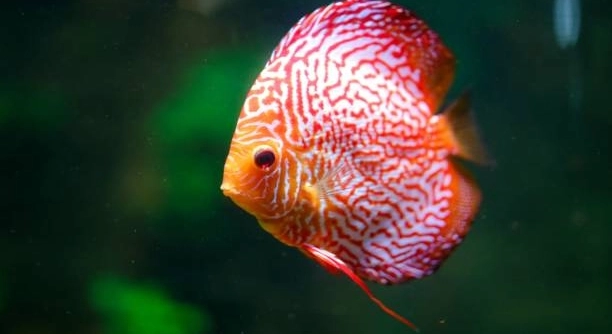
Discus fish are popular aquarium pets known for their vibrant colors and graceful movements. Like all living creatures, they can experience stress from changes in their environment or care. Recognizing signs of stress early helps maintain their health and wellbeing.
Stress in discus fish can be identified through behavioral and physical indicators such as loss of appetite, rapid breathing, clamped fins, color fading, hiding, erratic swimming, and lethargy. Promptly addressing these symptoms is essential to prevent serious health complications.
Understanding how to spot and respond to stress in your discus fish will improve their quality of life and ensure a healthier, more vibrant aquarium environment. This article will guide you through the most common signs and effective solutions.
Loss of Appetite
When discus fish become stressed, one of the first noticeable signs is a loss of appetite. They may refuse to eat their usual food or show less interest during feeding times. This behavior can occur due to changes in water quality, temperature fluctuations, or overcrowding in the tank. Stress affects their metabolism and energy levels, leading to a reduced desire to eat. If the problem persists, it can weaken their immune system and increase vulnerability to diseases. Monitoring their feeding habits closely is important to catch any changes early. Providing a calm and stable environment can help restore their appetite gradually. Sometimes adjusting the diet to include more nutritious or varied foods can also encourage them to eat again. Consistency in tank maintenance and feeding schedules is key to preventing prolonged stress-related appetite loss.
Loss of appetite often signals a need for immediate attention to tank conditions and fish health.
A sudden drop in eating habits should prompt a check of water parameters, including pH, ammonia, nitrite, and nitrate levels. Also, review recent changes such as new tankmates or rearranged decorations. Sometimes, minor adjustments in temperature or lighting can reduce stress and improve appetite. Feeding smaller, more frequent meals instead of large portions can also stimulate interest in food. Using high-quality, easily digestible food helps support weakened fish during recovery. It is essential to act quickly to prevent malnutrition or secondary infections caused by stress-induced appetite loss.
Rapid Breathing and Clamped Fins
Rapid breathing and clamped fins are clear physical signs of stress in discus fish. Rapid gill movement often indicates oxygen deficiency or poor water quality. Clamped fins show discomfort or illness. These symptoms require prompt action to improve tank conditions.
Stress from improper water parameters or high levels of toxins can make breathing difficult for discus fish. Ensuring adequate oxygenation by increasing aeration or adjusting filtration helps relieve this stress. Regular water testing and partial water changes are necessary to maintain a healthy environment. Clamped fins can also result from sudden changes in temperature or aggressive tankmates. Reducing stressors by providing hiding spots or rearranging the tank can make fish feel more secure. Maintaining consistent water temperature and stable conditions is critical to preventing these issues.
If untreated, these symptoms can lead to serious health problems or even death. Addressing water quality and environmental stressors promptly ensures the discus fish remain comfortable and healthy.
Color Fading
Discus fish losing their vibrant colors is a common sign of stress. Dull or pale coloration often indicates poor health or an unsuitable environment.
Color fading can result from various factors such as poor water quality, inadequate diet, or constant stress from tank conditions. When water parameters are off, fish struggle to maintain their natural pigmentation. Additionally, lack of proper nutrients can weaken their coloration over time. Stress reduces the production of pigments, causing their colors to wash out. It’s important to regularly test the water for ammonia, nitrites, and pH, and to provide a balanced diet rich in vitamins and minerals. Proper lighting and a peaceful tank environment also support color retention.
Improving water quality through frequent partial changes and avoiding overcrowding can help bring colors back. Adding plants or decorations that provide hiding spots reduces stress, helping fish regain their vibrancy. Consistency in care is crucial to prevent repeated fading and maintain a healthy discus.
Hiding Behavior
Discus fish that frequently hide may be experiencing stress or discomfort. Excessive hiding is a sign they feel threatened or insecure in their environment.
Stress can cause fish to seek shelter more often as a protective measure. Changes in tankmates, loud noises, or sudden movements near the aquarium can trigger this behavior. Poor water conditions or illness can also make discus fish retreat to hiding spots. While occasional hiding is normal, persistent avoidance of open spaces indicates a problem. Ensuring stable water parameters and creating a calm environment encourages more natural behavior. Hiding places like plants or caves help reduce stress but should not be overused to avoid isolation.
Regular observation of fish behavior helps detect early stress signs. Addressing environmental factors promptly helps discus fish feel safe and more comfortable in the tank. Balancing social interactions with enough space reduces hiding and supports healthy activity levels.
Erratic Swimming
Erratic swimming is a strong indicator of stress in discus fish. Sudden bursts, darting, or spinning show discomfort or confusion.
This behavior often results from poor water quality, parasites, or overcrowding. Immediate water testing and tank adjustments are necessary to reduce stress and prevent injury.
Lethargy
Lethargic discus fish show minimal movement and often rest at the bottom or hide. This low energy state is a sign of ongoing stress or illness.
Prolonged lethargy weakens immune function and requires prompt attention to water conditions and diet to aid recovery.
What to Do When Your Discus Is Stressed
Improving water quality is the first step to reduce stress. Regular water changes and testing keep ammonia, nitrites, and nitrates at safe levels. Maintaining stable temperature and pH is essential. Providing hiding spots helps fish feel secure. Avoid overcrowding by limiting the number of tankmates and ensure compatibility. Feeding a balanced diet supports overall health. Observing fish behavior daily helps detect early signs of stress. If illness is suspected, isolate affected fish and consult with a specialist for treatment options. Consistency in care prevents future stress episodes.
Monitoring Your Discus Fish
Regular observation is crucial for early detection of stress signs. Track changes in behavior, appetite, and appearance to maintain their wellbeing.
FAQ
How do I know if my discus fish is stressed?
Signs of stress in discus fish include loss of appetite, rapid breathing, clamped fins, faded colors, hiding frequently, erratic swimming, and lethargy. Observing these behaviors early helps you take steps to improve their environment and care.
What causes stress in discus fish?
Stress can be caused by poor water quality, incorrect temperature, overcrowding, aggressive tankmates, sudden changes in environment, and insufficient hiding spaces. Even small changes can affect sensitive discus fish, so maintaining stable conditions is important.
How often should I change the water in my discus tank?
Water should be changed regularly, about 20-30% once or twice a week, depending on tank size and bio-load. Frequent water changes help keep ammonia, nitrites, and nitrates at safe levels and improve oxygen availability.
Can poor diet cause stress in discus fish?
Yes, a poor or unbalanced diet lacking essential nutrients weakens discus fish and increases stress susceptibility. A diet rich in proteins, vitamins, and minerals supports immune health and color vibrancy.
What water temperature is best for discus fish?
The ideal temperature range for discus fish is between 82°F and 86°F (28°C to 30°C). Temperatures outside this range can cause stress and affect metabolism, so it’s important to monitor and maintain stable heat.
How can I reduce stress caused by tankmates?
Choose peaceful and compatible tankmates for discus fish, avoiding aggressive or overly active species. Provide ample space and hiding spots to reduce competition and territorial disputes.
Why does my discus fish hide so much?
Frequent hiding is a defense mechanism when discus fish feel stressed or threatened. It can indicate poor water quality, illness, or environmental disturbances. Ensuring stable conditions and gentle tank interactions can reduce hiding behavior.
Is it normal for discus fish to swim erratically sometimes?
Occasional sudden movements are normal, but consistent erratic swimming usually signals stress or illness. It’s important to check water parameters and watch for parasites or injury if this behavior persists.
What should I do if my discus fish stops eating?
First, test the water for any imbalances. Check for signs of illness or tank stressors. Offer a variety of high-quality foods in small amounts and maintain a quiet environment. If the problem continues, consult an aquatic veterinarian.
How important is tank cleanliness for discus fish stress?
Tank cleanliness is critical. Accumulated waste raises toxic chemicals that stress discus fish and weaken their immune systems. Regular cleaning and monitoring water quality prevent these problems and promote a healthy habitat.
Can sudden changes in lighting affect discus fish?
Yes, sudden changes in lighting intensity or duration can cause stress. Gradual adjustments and providing shaded areas help discus fish adapt comfortably to light conditions.
How do I introduce new fish to a discus tank without causing stress?
Quarantine new fish for at least two weeks before introduction. Introduce them slowly and monitor interactions closely. Adding fish at night or rearranging tank decorations can reduce territorial aggression.
What are the signs that stress is causing illness in discus fish?
If stress continues, discus fish may develop white spots, fin rot, or fungus. Lethargy, swollen bellies, or difficulty breathing also indicate illness. Immediate treatment and improved care are necessary to prevent fatal outcomes.
Can stress cause discus fish to lose color permanently?
Prolonged stress can cause lasting color loss, but in many cases, colors return with proper care. Improving diet, water quality, and reducing stress factors helps restore natural pigmentation over time.
Is it necessary to isolate a stressed discus fish?
Isolation may be needed if a fish shows signs of contagious illness or severe stress. Otherwise, maintaining a calm, stable community tank with proper care often helps fish recover without isolation.
What is the best way to monitor discus fish health daily?
Watch for changes in behavior, appetite, swimming patterns, and appearance. Keeping a log of observations can help track improvements or worsening conditions. Consistent monitoring allows for early intervention.
Are stress symptoms in discus fish reversible?
Most stress symptoms are reversible with prompt care. Correcting water quality, improving diet, and reducing environmental stress usually restores fish health. Delays in treatment increase risks of permanent damage.
Can supplements help reduce stress in discus fish?
Some supplements like vitamins and immune boosters can support discus fish during recovery. Always use products designed for aquarium fish and follow dosage instructions carefully to avoid overdosing.
What role does tank size play in discus fish stress?
Inadequate tank size limits swimming space and increases aggression. A minimum of 50 gallons is recommended for a small group to reduce stress. Larger tanks provide more stable water conditions and comfort.
How long does it take for stressed discus fish to recover?
Recovery time varies but usually takes days to weeks after improving conditions. Patience and consistent care are important to support healing and reduce relapses.
Can stress cause discus fish to breed less?
Yes, stressed discus fish are less likely to breed successfully. Stable environments with good water quality and minimal disturbances encourage natural breeding behavior.
Are there natural ways to reduce stress in discus fish?
Providing live plants, gentle water flow, and soft lighting creates a more natural environment. These factors help discus fish feel secure and reduce stress without chemicals.
How do I handle a stressed discus fish safely?
Minimize handling to reduce stress further. Use a soft net carefully when necessary and avoid sudden movements. Handling should be quick and gentle, with clean equipment to prevent infections.
Can stress cause discus fish to jump out of the tank?
Yes, stressed or startled discus fish may try to jump. A secure lid and calm environment help prevent accidents and keep fish safe.
What should I do if my discus fish shows multiple stress signs?
Address water quality immediately and isolate if illness is suspected. Adjust tank conditions and consult a specialist if signs persist. Early intervention improves chances for recovery.
Final Thoughts
Discus fish are beautiful and sensitive creatures that require careful attention to thrive. Stress can affect their health and behavior in many ways, so recognizing the signs early is important. Maintaining clean water, stable temperature, and a balanced diet are essential steps to prevent stress. Regular observation helps catch problems before they become serious. Small changes in the tank environment can make a big difference in how comfortable and healthy your discus fish feel.
Managing stress in discus fish is not always easy, but consistent care and patience will pay off. Avoid overcrowding and choose tankmates carefully to reduce competition and aggression. Providing hiding spots and maintaining a calm, quiet environment also supports their wellbeing. When stress signs appear, quick action can prevent illness and improve recovery. It is helpful to test water parameters often and keep them within ideal ranges. If necessary, isolating a sick or severely stressed fish can protect others and allow targeted treatment.
In summary, preventing and managing stress requires attention to multiple factors. Water quality, tank setup, diet, and social environment all play roles in maintaining healthy discus fish. Stress signs should never be ignored, as prolonged stress weakens immune response and may lead to permanent damage. With proper care and monitoring, discus fish can live longer, healthier lives with vivid colors and natural behaviors. Staying informed and prepared is key to ensuring their ongoing happiness in the aquarium.

Hello,
If you enjoy the content that we create, please consider saying a "Thank You!" by leaving a tip.
Every little bit helps us continue crafting quality advice that supports the health, happiness, and well-being of pets around the world, for pets of all shapes, sizes, and species.
We really appreciate the kindness and support that you show us!