
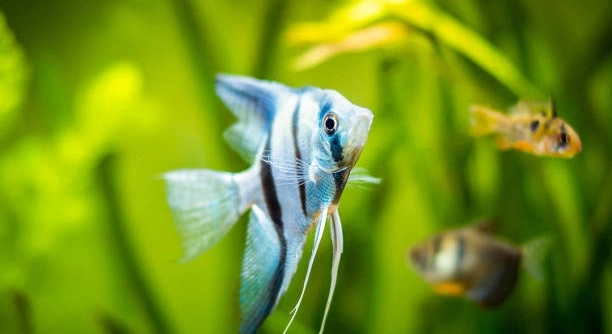
As angelfish age, they may show signs that are subtle yet noticeable to a careful observer. Recognizing these changes can help you provide the best care possible and ensure a healthy environment for your fish.
Age-related changes in angelfish are marked by shifts in their behavior, appearance, and overall health. These include slowed movement, faded coloration, reduced appetite, and visible physical wear. Monitoring these signs can help you assess your fish’s age.
Understanding these indicators can help you better care for your angelfish as they grow older and maintain their well-being for longer.
Slowed Movement and Decreased Activity
As angelfish age, one of the first noticeable signs is their slower movement. They may no longer dart across the tank with the same energy as when they were younger. Aging angelfish often prefer to stay near the bottom or at the sides of the tank, moving less frequently. This change in activity can be due to the natural aging process, which causes them to conserve energy and slow down.
Over time, your angelfish might spend more time resting or hiding rather than swimming around. This doesn’t necessarily indicate health issues, but it’s important to monitor for other signs of aging, such as a decrease in appetite. If the behavior continues, it may be worth checking water conditions or consulting a veterinarian.
Age-related fatigue can also make your angelfish less interested in exploring their environment. Even the most active fish will slow down as they mature, so it’s essential to be patient and keep the tank clean to help them feel comfortable and relaxed.
Changes in Appearance
Another clear sign of aging in angelfish is a change in their physical appearance. Older angelfish often experience fading coloration or duller markings compared to their youthful vibrancy. Their fins may appear more ragged, and the overall body structure might change, with some fish becoming less symmetrical as they age.
As your angelfish gets older, you may notice it becomes more prone to injuries that heal slowly. Regular monitoring and maintaining tank hygiene can help prevent external damage from becoming a more significant issue.
Reduced Appetite and Feeding Habits
As angelfish age, they may show a noticeable decline in their appetite. They might eat less often or leave food uneaten, even if it’s their favorite. This shift can be linked to their slower metabolism and lower energy needs as they grow older.
This change in feeding habits can also affect their overall health. A reduced appetite may make them more vulnerable to nutritional deficiencies. It’s crucial to monitor their diet closely, offering a variety of foods and ensuring they’re getting the necessary nutrients to stay healthy. Adjusting the feeding schedule and portion sizes might help them maintain a proper diet.
If you notice that your angelfish is no longer showing interest in food for extended periods, it could also signal underlying health problems. Analyzing water conditions and temperature can help rule out external factors that may be affecting their appetite.
Visible Signs of Aging
As your angelfish ages, visible signs like cloudy eyes or faded colors become more common. These changes happen slowly and can be subtle. You may notice their vibrant hues dulling, or their fins starting to show signs of wear.
Cloudy eyes are often a sign of aging, but they can also be a result of poor water quality. If your angelfish’s eyes appear milky or hazy, it’s a good idea to test the tank’s water for pH levels, ammonia, and nitrate concentrations. Maintaining a stable and clean environment can help prevent or slow these issues.
Additionally, older angelfish might develop slight deformities or bumps on their bodies. These physical changes are often harmless, but it’s still worth keeping an eye on their condition to ensure their well-being.
Reduced Swim Speed
Aging angelfish tend to swim more slowly than they did in their younger days. Their once energetic movements become sluggish, and they may not dart across the tank with the same vigor. This slower pace is a natural result of aging and reduced energy levels.
However, if the slow swimming is accompanied by signs of illness, such as erratic movements or floating near the surface, it’s important to investigate further. Aging does slow down movement, but there are also external factors, like water quality or health conditions, that could contribute to this behavior.
Difficulty Breathing
As angelfish age, they may show signs of labored breathing or appear to breathe faster than usual. This can be an indication of stress, poor water conditions, or aging. Older fish are more prone to respiratory issues as their bodies become weaker.
It’s important to keep an eye on their gills and ensure the tank water is properly oxygenated. Maintaining stable water parameters will help alleviate breathing problems. If the issue persists, consult a veterinarian to rule out any underlying health concerns.
FAQ
How can I tell if my angelfish is sick or just aging?
While aging angelfish show slower movement and reduced appetite, a sick angelfish may display erratic swimming, discolored patches, or visible sores. If your angelfish exhibits unusual behavior, such as scratching against objects, clamped fins, or rapid gill movement, these are signs of illness rather than normal aging. Additionally, if your fish is not eating for an extended period, it might indicate an infection or poor water quality. Always check water conditions before assuming the fish is aging, as these factors can heavily influence their health.
What can I do to keep my aging angelfish healthy?
The best way to care for an aging angelfish is by maintaining a clean and stable tank environment. Regular water changes are essential, as older fish are more sensitive to changes in water quality. Make sure your filtration system is working properly and avoid sudden shifts in water temperature or pH. Providing a varied diet with appropriate nutrients will also help support their health. Consider adding supplements like vitamins or minerals if your fish seems to be losing energy or weight. Regular observation of behavior and physical condition will ensure you catch any signs of illness early.
Is it normal for my angelfish to get cloudy eyes as they age?
Yes, cloudy eyes are often seen in older angelfish. This condition, known as cataracts, can occur as part of the aging process, though it can also result from poor water quality. If the cloudiness is gradual and doesn’t affect the fish’s ability to swim or eat, it’s likely age-related. However, if the cloudiness is sudden or accompanied by other symptoms, such as a decrease in activity or abnormal swimming patterns, you should check the water quality and consult a vet if necessary. Cloudy eyes in angelfish can also be a sign of an underlying infection, so it’s worth investigating further.
How often should I feed my aging angelfish?
Older angelfish tend to eat less frequently than younger ones. It’s important to monitor their eating habits and adjust accordingly. Instead of offering large meals once or twice a day, you might want to feed them smaller amounts more often. This reduces stress on their digestive system and ensures they get the necessary nutrients without overfeeding. Make sure you provide a variety of foods, including high-quality flakes, pellets, and occasional live or frozen food like brine shrimp or bloodworms. If your angelfish refuses food, check for signs of illness or water quality issues.
Can aging angelfish still breed?
Aging angelfish may still breed, but their fertility and ability to successfully care for eggs and fry can decrease over time. As they age, their reproductive capabilities may slow, leading to fewer successful spawns. While some older fish may still show interest in mating, they may not be as consistent or successful. If you wish to breed your angelfish, younger, healthy fish are often more reliable. However, with proper care, older fish can still have the occasional spawn. Just be aware that the process might be less predictable.
Should I change the water parameters for an aging angelfish?
The water parameters for an aging angelfish should remain stable, as sudden changes in pH, temperature, or hardness can stress them out. Aging fish are more sensitive to fluctuations, so consistency is key. Maintain the same temperature range (75-82°F) and pH (6.5-7.5) that your angelfish were accustomed to during their earlier years. Ensure that ammonia, nitrites, and nitrates are at safe levels by performing regular water changes and testing the water quality frequently. Stability in their environment is vital for older fish to thrive.
Can I add other fish to the tank with my aging angelfish?
When adding new fish to the tank with an aging angelfish, it’s important to consider their temperament and activity level. Older angelfish are generally less active and may not be able to compete with more energetic fish. Avoid adding overly aggressive species that could stress the angelfish. It’s better to introduce peaceful and slow-moving tank mates that won’t disturb the older fish. Always keep an eye on how the new fish interact with your angelfish to ensure they are not being bullied or harassed.
What are the signs that my angelfish is nearing the end of its life?
As angelfish approach the end of their life, they may show signs of extreme lethargy, reduced appetite, and difficulty swimming. Their once vibrant colors may dull further, and they may spend more time hiding or resting at the bottom of the tank. Some fish may also exhibit labored breathing or struggle to maintain buoyancy. If these signs occur, it’s a good idea to make the fish as comfortable as possible by maintaining a stable, clean environment and reducing stress. While these signs are typical of old age, always monitor for potential illness or injury.
How long do angelfish typically live?
Angelfish usually live for 10 to 15 years with proper care. The lifespan of an angelfish can vary depending on factors like water quality, diet, and general tank conditions. While some angelfish may live longer, others may not reach the 10-year mark due to factors like disease or poor tank conditions. Regular maintenance and observation are key to extending your angelfish’s lifespan. Older fish may start showing signs of aging around 7-8 years, but they can still live for several years if cared for properly.
Final Thoughts
As angelfish age, it’s natural for their appearance and behavior to change. These beautiful fish may slow down, show less interest in food, or develop slight physical signs of aging. While these changes are often part of the aging process, it’s important to monitor their overall health. Keeping an eye on their behavior and maintaining stable water conditions can help ensure they remain comfortable as they grow older.
Aging doesn’t necessarily mean that your angelfish will suffer. With proper care, these fish can continue to thrive in their environment. Maintaining good water quality, offering a balanced diet, and providing a stress-free habitat are all key components of keeping your fish healthy in their later years. Regular water changes, careful feeding habits, and ensuring a peaceful tank environment can make a big difference in their quality of life.
Though aging angelfish may not be as active as they once were, their presence can still bring joy to your tank. By understanding the signs of aging and making the necessary adjustments to their care, you can help them live out their later years comfortably. Keep monitoring their health and behavior, and don’t hesitate to seek advice from an expert if you notice anything concerning. With the right approach, your aging angelfish can continue to be a beautiful and peaceful part of your aquarium for years to come.

Hello,
If you enjoy the content that we create, please consider saying a "Thank You!" by leaving a tip.
Every little bit helps us continue crafting quality advice that supports the health, happiness, and well-being of pets around the world, for pets of all shapes, sizes, and species.
We really appreciate the kindness and support that you show us!