
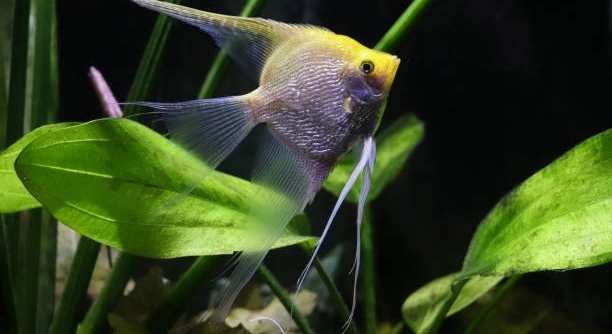
Angelfish are a popular choice for aquarium enthusiasts, thanks to their beauty and grace. However, ensuring their healthy growth and development can sometimes be a challenge. It’s essential to understand the factors that contribute to their well-being.
To improve angelfish growth and development, focus on water quality, proper diet, and appropriate tank conditions. Regular water changes, balanced nutrition, and the right tank setup will support their overall health and growth. Monitoring these factors consistently ensures better results.
By making small adjustments, you can improve their chances of thriving in your care. These easy steps will guide you in fostering the right environment for their development.
Maintain Clean Water for Healthy Growth
Water quality is crucial for angelfish development. They are sensitive to changes in their environment, especially when it comes to water conditions. Keeping the tank clean and ensuring proper filtration will help maintain the right balance of oxygen and remove harmful waste. Regular water changes are essential—aim for about 25% every week. Test the water for ammonia, nitrite, nitrate, and pH levels to keep them stable. Angelfish thrive in slightly acidic to neutral water, with temperatures between 76°F and 82°F. When the water quality is good, angelfish can focus on growing, rather than struggling with poor conditions.
Keeping a clean tank makes a huge difference in the well-being of your angelfish. It allows them to stay healthy, grow properly, and maintain their beautiful appearance. If the water is too dirty, it can cause stress, leading to stunted growth.
Adding live plants to the tank can also help maintain water quality. They absorb excess nutrients and provide a more natural environment for the fish. It’s important to regularly remove any dead plants and excess food to prevent water contamination. A good filtration system is key, as it removes debris and keeps the water moving, ensuring a healthy environment.
Provide a Balanced Diet
A well-balanced diet is essential for angelfish growth. Overfeeding can lead to water pollution, while underfeeding can stunt their development.
Offering a variety of foods, such as flakes, pellets, and occasional live food, ensures they get the necessary nutrients. Rotate different types of food to keep them excited and healthy.
Keep Tank Temperature Consistent
Angelfish are sensitive to temperature fluctuations. Consistent water temperatures are vital for their health and growth. Any sudden changes can stress the fish, which may lead to disease or stunted development. A reliable heater can help maintain a stable temperature in the tank.
Maintaining a steady water temperature between 76°F and 82°F is ideal. This range supports healthy digestion, immune function, and overall growth. If the temperature drops too low or rises too high, it can slow down their metabolism and stunt their development. A thermometer in the tank helps keep track of temperature changes.
During colder months, ensure your aquarium is insulated. If you’re in a region with fluctuating temperatures, consider using a tank heater with a thermostat. This will keep your fish comfortable and prevent them from becoming stressed. Consistency is key to their well-being.
Provide Proper Tank Size and Space
A cramped tank can severely affect angelfish growth. These fish need enough space to swim freely and establish their territory. A small tank can limit their movement, making them feel stressed, which can slow growth.
For a pair of angelfish, a 20-gallon tank is the minimum size. If you plan to keep more, opt for a larger tank to provide ample space for swimming and growth. Angelfish are territorial, and a tank that’s too small can lead to aggression. The extra room ensures they stay healthy and grow at a steady pace.
Adding more plants or decorations will help create hiding spots, reducing stress. Be sure not to overcrowd the tank with too many items, as it can limit the fish’s space. A well-spaced tank is a vital part of encouraging healthy growth.
Maintain Consistent Lighting
Angelfish benefit from a consistent light cycle. Too much light can cause algae growth, while too little can affect their health and development. A regular day/night cycle is crucial.
Set your tank light on a timer to ensure they receive around 10-12 hours of light each day. This helps with their natural sleep cycle and promotes healthy growth.
In addition to the light cycle, ensure the light intensity is moderate. Bright lighting can stress them, while dim lighting can cause sluggish behavior. Balanced lighting mimics natural conditions, benefiting their well-being and growth.
Use Aquarium Plants for a Natural Environment
Aquarium plants provide more than just aesthetic appeal. They improve water quality and offer hiding spaces, which reduce stress for angelfish.
Live plants help with oxygenation and act as natural filters by absorbing excess nutrients and waste. They create a natural environment that encourages angelfish to explore, reducing stress. Healthy plants also reduce algae growth, maintaining a cleaner tank.
FAQ
How often should I feed my angelfish?
Feed your angelfish once or twice a day. Provide only as much food as they can consume in a few minutes to avoid overfeeding and polluting the water. It’s important to stick to a regular feeding schedule to keep them healthy. Angelfish enjoy a varied diet, so consider rotating between flakes, pellets, and live or frozen food. Overfeeding can lead to poor water quality and health issues.
Can I keep angelfish with other fish?
Yes, angelfish can live with other species, but they need to be paired with peaceful tankmates. Avoid aggressive or overly small fish, as angelfish may bully them or harm them. Suitable companions include tetras, guppies, and larger peaceful species. Always check that your tank’s environment is appropriate for all inhabitants.
What is the ideal tank size for angelfish?
A 20-gallon tank is the minimum size for a pair of angelfish. If you want to keep more fish, a larger tank is necessary to prevent overcrowding. More space allows angelfish to establish territories, reducing aggression and stress. A bigger tank also helps maintain better water quality, benefiting fish health.
Why are my angelfish not growing?
If your angelfish aren’t growing, it’s likely due to poor water quality, an inadequate diet, or stress from overcrowding. Ensure your water is properly filtered, and the temperature is stable. Provide a varied diet and avoid overfeeding. A small tank can also limit their growth, so make sure they have enough space.
How can I tell if my angelfish is stressed?
Stressed angelfish often display abnormal behavior, such as excessive hiding, staying at the surface, or constant swimming in circles. Their colors may also dull, and they may stop eating. Stress can be caused by poor water quality, temperature fluctuations, or incompatible tankmates. Addressing the cause quickly will help prevent health problems.
Do angelfish require a lot of maintenance?
Angelfish require regular care but are relatively easy to manage. You’ll need to perform weekly water changes of 25-30%, check water parameters like pH, ammonia, and nitrate levels, and monitor tank temperature. Maintaining a stable environment with proper filtration and a balanced diet will keep them healthy with minimal effort.
Can angelfish live in cold water?
Angelfish are tropical fish and require warm water to thrive. The ideal temperature for angelfish is between 76°F and 82°F. Cold water can cause them to become sluggish, lose their appetite, and potentially develop health issues. Using a heater is essential for keeping them comfortable in colder environments.
What is the lifespan of angelfish?
Angelfish typically live for 10 to 15 years, depending on their care. A stable tank environment, consistent feeding, and regular water changes will help them reach their full lifespan. Some angelfish may live even longer with optimal conditions and attention to their needs.
How can I breed angelfish?
Breeding angelfish requires a separate breeding tank, as angelfish can be territorial. Make sure the tank has clean water, a temperature of around 80°F, and plenty of flat surfaces for egg laying. Males will court females, and once eggs are laid, both parents may guard the eggs until they hatch. Ensure proper water conditions and remove any other fish to protect the fry.
Why is my angelfish not eating?
If your angelfish is not eating, it could be a sign of stress, illness, or poor water quality. Check for any changes in the tank, such as temperature fluctuations, overcrowding, or aggressive tankmates. If water conditions are optimal, try offering different types of food to entice them. If the issue persists, consult with an aquarium specialist.
Can angelfish live without a filter?
While angelfish can technically survive in a tank without a filter, it is not recommended. A filter helps keep the water clean by removing waste and toxins, which is essential for maintaining the health of the fish. Without a filter, you’ll need to perform more frequent water changes to keep the tank clean.
Final Thoughts
Caring for angelfish involves paying attention to several factors that support their growth and well-being. By maintaining good water quality, keeping the right tank temperature, and offering a balanced diet, you provide the foundation for healthy fish. These simple steps help ensure your angelfish grow at a steady pace and live a long life. Regular tank maintenance is key to creating an environment where they feel comfortable and thrive.
Choosing the right tank size and avoiding overcrowding is just as important. Angelfish need space to swim freely, and a cramped tank can cause stress, leading to slower growth and potential health problems. Pairing them with peaceful tankmates also reduces aggression, which can negatively affect their development. When they are in a calm, spacious environment, angelfish can grow to their full potential, looking vibrant and strong.
Remember, consistency is crucial. Whether it’s maintaining water quality, feeding on a regular schedule, or ensuring a stable temperature, small changes can have a big impact on your angelfish. A little extra care goes a long way in helping them thrive. When these needs are met, angelfish can flourish, becoming a beautiful and peaceful addition to your aquarium.

Hello,
If you enjoy the content that we create, please consider saying a "Thank You!" by leaving a tip.
Every little bit helps us continue crafting quality advice that supports the health, happiness, and well-being of pets around the world, for pets of all shapes, sizes, and species.
We really appreciate the kindness and support that you show us!