
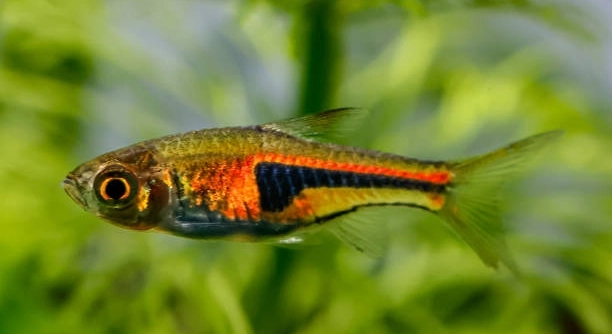
Rasboras are small, lively fish that often brighten up home aquariums. Observing their behavior can help ensure they feel safe and secure in their environment. Recognizing stress signs early is key to maintaining their well-being.
Rasboras display clear behavioral and physical indicators when feeling threatened. Common signs include darting movements, clamped fins, sudden color changes, hiding, and reduced feeding activity. Monitoring these patterns provides a reliable method for assessing their stress levels.
Knowing how to interpret these behaviors allows you to create a calmer and safer aquarium for your fish. These observations can help maintain their health and comfort over time.
Sudden Darting Movements
Rasboras are naturally active, but sudden bursts of speed or frantic swimming can indicate they feel threatened. These movements are often triggered by sudden changes in light, vibrations near the tank, or the presence of larger fish. Observing the pattern and frequency of these darting episodes can help identify stress triggers. When multiple fish display the behavior simultaneously, it usually points to a shared stressor in the tank environment, such as water quality issues or aggressive tankmates. Ensuring stable conditions and minimizing disturbances can reduce these sudden reactions and help rasboras feel more secure. Over time, you may notice that calmer fish exhibit more consistent, gentle swimming patterns. Regular monitoring allows adjustments to their surroundings, improving both their physical health and comfort. Encouraging natural behavior through gentle water flow and hiding spots also contributes to a stress-free aquarium.
Frequent darting is a strong visual indicator that rasboras are experiencing stress. It warrants immediate observation and environmental adjustments.
Creating hiding spots with plants or decor gives rasboras places to retreat. Consistent feeding schedules and stable water parameters reduce unexpected triggers. Watching how each fish reacts allows you to tailor the environment for their comfort, promoting healthier and calmer behavior over time.
Clamped Fins
Clamped fins occur when rasboras hold their fins close to their bodies, signaling discomfort or fear. This behavior often appears alongside other stress signs like hiding or erratic swimming.
Consistently observing fin positions can help detect ongoing stress and prevent health issues before they escalate.
Water conditions, tank overcrowding, or sudden changes in environment frequently cause fin clamping. When rasboras feel threatened, their body language communicates unease, making it easier to address problems early. Maintaining proper water temperature, pH levels, and regular tank cleaning reduces environmental stressors. Overcrowded tanks increase competition and can lead to sustained fin clamping, so providing adequate space is essential. Introducing gentle lighting and quiet surroundings further supports a calm environment. Gradual acclimation to new tankmates prevents social stress, and regular observation ensures that any developing issues are identified quickly. By paying attention to these signals, you create a more stable habitat that encourages normal swimming and interaction patterns. Preventive measures and consistent care help rasboras maintain vibrant health and reduce the risk of stress-related illnesses.
Hiding Frequently
Rasboras often retreat to plants, decorations, or corners of the tank when they feel threatened. Frequent hiding is a reliable sign of stress and discomfort, usually indicating that something in their environment is causing fear or unease.
Providing dense plant coverage and safe spaces can help rasboras feel secure. When hiding becomes excessive, it may signal aggressive tankmates, sudden changes in water parameters, or excessive noise around the aquarium. Observing which areas they prefer and how long they remain hidden gives insight into potential stressors. Adjusting the tank layout, reducing disturbances, and maintaining stable water conditions encourages them to emerge and swim more freely.
Consistent hiding can affect feeding and social interaction. Offering structured spaces and gradual environmental changes reduces stress. Monitoring their behavior closely helps identify triggers. Over time, rasboras will regain confidence and return to normal swimming patterns when the tank feels safe and predictable.
Color Fading
Color fading in rasboras is often a direct response to stress or fear. Their bright hues can become dull, signaling discomfort in their surroundings.
Environmental instability, sudden temperature shifts, or overcrowding frequently causes this change. Observing gradual fading versus sudden loss of color can help determine if the stress is short-term or ongoing. Providing consistent care, stable water parameters, and quiet conditions supports recovery of natural coloration. Stress-related color changes also indicate that the immune system may be weakened, making early intervention essential.
Balanced nutrition, proper lighting, and minimal disturbances help rasboras regain vibrant colors. Overcrowded tanks, aggressive companions, and sudden changes in environment can worsen fading. Paying attention to subtle shifts in hue allows for timely adjustments, ensuring their health and reducing long-term stress. Gradually improving conditions can restore confidence, activity, and the bright appearance characteristic of healthy rasboras.
Loss of Appetite
Rasboras may refuse food when they feel threatened. Skipping meals is a clear signal of stress or discomfort in their environment.
Monitoring feeding habits is essential. Sudden changes in appetite often indicate water issues, aggressive tankmates, or rapid environmental changes. Prompt action helps prevent health decline.
Erratic Swimming Patterns
Rasboras displaying erratic swimming, such as sudden turns, spinning, or repetitive darting, are likely experiencing stress. These behaviors can stem from overcrowding, aggressive tankmates, or sudden disturbances in the aquarium. Consistent observation helps identify patterns and triggers. Adjusting tank conditions, providing hiding spots, and maintaining stable water quality encourages calmer swimming. Over time, rasboras typically regain normal movement once stressors are minimized and their environment feels secure.
Gasping at the Surface
Frequent surfacing and gasping may indicate rasboras are stressed or oxygen-deprived. Checking aeration and water conditions is critical to ensure their comfort.
How can I tell if my rasboras are stressed?
Signs of stress in rasboras include sudden darting, clamped fins, frequent hiding, color fading, loss of appetite, erratic swimming, and gasping at the surface. Observing these behaviors consistently can help identify which factors are affecting their well-being. Monitoring patterns over time provides insight into environmental triggers and allows timely adjustments to reduce stress.
What environmental changes can trigger stress in rasboras?
Rasboras are sensitive to fluctuations in water temperature, pH, and hardness. Sudden changes, even small ones, can make them feel threatened. Overcrowding and aggressive tankmates also contribute to stress, as does excessive noise or vibration near the aquarium. Maintaining stable conditions and providing hiding spaces helps them feel secure.
Why do rasboras hide so often?
Hiding is a natural defense mechanism. When rasboras feel threatened, they retreat to plants, decorations, or tank corners. Frequent hiding may indicate environmental stressors, including aggressive companions, poor water quality, or sudden disturbances. Providing safe spots and monitoring their behavior helps reduce stress and encourages normal activity.
How does color fading relate to stress?
Dull or faded colors in rasboras often reflect discomfort or fear. Environmental instability, poor water quality, and social stress can trigger this change. Gradual color loss suggests ongoing stress, while sudden fading may indicate acute triggers. Consistent care, stable conditions, and proper nutrition help restore natural coloration and overall health.
Can diet affect rasbora stress levels?
Yes, poor nutrition can worsen stress. Balanced feeding supports energy, immune function, and resilience to environmental changes. Skipping meals due to fear or discomfort is common. Ensuring varied and high-quality food, combined with a calm environment, encourages normal feeding habits and reduces stress over time.
What role does tank setup play in their stress?
A well-structured tank reduces anxiety. Dense plant coverage, hiding spots, gentle lighting, and adequate space help rasboras feel safe. Overcrowded tanks or lack of shelter increase stress. Observing their preferred spots and adjusting the environment accordingly promotes confidence and normal behavior.
How important is water quality for rasbora comfort?
Water quality is critical. Poor parameters like high ammonia, nitrite spikes, or extreme temperature fluctuations directly stress rasboras. Regular testing, partial water changes, and proper filtration maintain a stable habitat. Healthy water supports normal behavior, reduces disease risk, and improves overall coloration and activity.
How can I calm stressed rasboras?
Minimizing sudden disturbances, keeping the tank quiet, and providing hiding places help calm stressed fish. Gradual acclimation to new tankmates and consistent feeding schedules reinforce a sense of security. Observing behavior daily ensures adjustments are effective, allowing rasboras to regain natural activity and appearance.
When should I consult a veterinarian?
If stress signs persist despite stable water conditions, proper nutrition, and a suitable environment, consulting a fish health professional is recommended. Persistent clamped fins, color fading, loss of appetite, or unusual swimming patterns may indicate underlying illness or chronic stress requiring expert intervention.
Are stress signs reversible in rasboras?
Yes, many stress behaviors are reversible with prompt and consistent care. Adjusting tank conditions, providing shelter, stabilizing water parameters, and ensuring balanced nutrition allows rasboras to recover. Observing responses over time confirms improvements, helping maintain long-term health and comfort in the aquarium.
How often should I monitor their behavior?
Daily observation is ideal. Regularly noting swimming patterns, appetite, fin positions, and color changes helps identify stress early. Quick responses to any issues prevent long-term health problems, ensuring rasboras remain active, colorful, and comfortable in their habitat.
Can tankmates influence stress levels?
Yes, aggressive or overly active fish increase rasbora stress. Introducing peaceful companions and avoiding overcrowding helps maintain a calm environment. Observing interactions and making adjustments as needed promotes social stability, allowing rasboras to swim freely without fear.
Does lighting affect rasbora stress?
Excessive or sudden lighting changes can startle rasboras. Gentle, consistent light cycles reduce anxiety and support natural behavior. Providing shaded areas and plants allows them to retreat when needed, ensuring comfort and minimizing stress-induced behaviors.
What signs indicate recovery from stress?
Calmer swimming, regular feeding, bright colors, and reduced hiding are strong indicators of recovery. Rasboras gradually return to natural patterns once stressors are removed, demonstrating improved well-being and confidence in their environment. Regular observation confirms that adjustments are effective and long-term health is supported.
Rasboras are delicate, social fish that thrive in calm, stable environments. Observing their behavior closely is key to ensuring they feel safe and comfortable in your aquarium. Small signs, such as darting, hiding, or clamped fins, are often the earliest indicators that something in their environment is causing stress. By noticing these behaviors early, you can make the necessary changes before the fish experience prolonged discomfort. Stress can have serious impacts on their health, including weakened immune systems, reduced appetite, and faded coloration. Ensuring water quality is consistent, the tank is not overcrowded, and there are enough hiding places helps create a safe, supportive space for rasboras to swim freely and interact naturally.
Providing a balanced diet and maintaining proper feeding routines also contributes significantly to their well-being. Stressed fish may refuse food, which can quickly lead to health issues if not addressed. Paying attention to feeding patterns, along with monitoring swimming behavior and social interactions, helps detect problems early. Environmental adjustments, such as adding plants, adjusting lighting, and reducing sudden disturbances near the tank, can help rasboras regain confidence and return to normal activity levels. Even small improvements in the tank setup can make a noticeable difference in their comfort and behavior. Maintaining stable water parameters, including temperature, pH, and ammonia levels, is critical, as rasboras are highly sensitive to changes in their surroundings. Regular testing and gradual adjustments prevent sudden shocks and provide a healthier environment overall.
Long-term observation and care are essential for keeping rasboras healthy and stress-free. By consistently monitoring their behavior, appearance, and appetite, you can detect early signs of discomfort and take action to correct it. Providing a calm, structured environment, ensuring proper nutrition, and paying attention to social dynamics within the tank all work together to support their physical and emotional health. Over time, rasboras will become more confident and active, showing their natural colors and behaviors once stressors are minimized. Thoughtful, attentive care not only improves their quality of life but also allows you to enjoy watching them thrive in a stable, peaceful aquarium. Maintaining this level of care requires patience and consistency, but the results are rewarding, creating an environment where rasboras feel safe, secure, and healthy.

Hello,
If you enjoy the content that we create, please consider saying a "Thank You!" by leaving a tip.
Every little bit helps us continue crafting quality advice that supports the health, happiness, and well-being of pets around the world, for pets of all shapes, sizes, and species.
We really appreciate the kindness and support that you show us!