
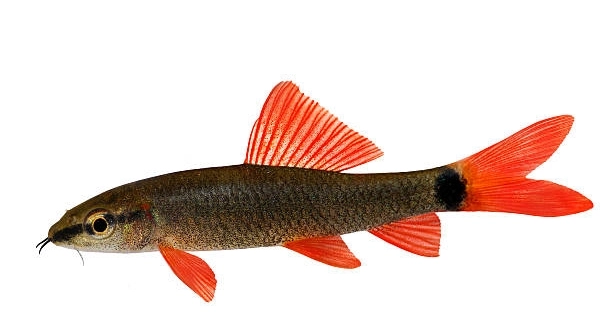
Are your rainbow sharks acting differently in your aquarium? These colorful fish can show signs of stress that may affect their health and behavior. Recognizing these signs early helps maintain a healthy tank environment for them.
Stress in rainbow sharks is often indicated by changes in behavior such as reduced activity, hiding, loss of appetite, and unusual swimming patterns. Physical signs include faded colors, damaged fins, and rapid gill movement. These symptoms suggest environmental or social stressors affecting the fish.
Knowing how to spot stress in your rainbow shark can prevent serious health problems. Identifying these signs will help you create a more comfortable and stable habitat for your fish.
Changes in Swimming Behavior
When a rainbow shark is stressed, its swimming habits often shift noticeably. It may dart around the tank nervously or stay near the surface or bottom without much movement. Sometimes, it swims in circles or rubs against tank decorations. These behaviors indicate discomfort or attempts to escape a stressful environment. Stress can result from poor water quality, overcrowding, or aggressive tank mates. Observing these changes early helps prevent further health decline. Keeping the tank clean, providing enough space, and ensuring peaceful companions can reduce stress. Regular monitoring of swimming patterns is a simple way to keep track of your fish’s wellbeing and catch problems before they worsen.
Swimming changes signal stress and are important to note. These behaviors show the fish may need immediate care or adjustments to its environment.
Noticing these movements can guide you in making timely changes. Adjusting water parameters, rearranging the tank, or separating aggressive fish often improves your rainbow shark’s comfort. Calm and consistent surroundings help reduce anxiety, allowing the fish to regain normal swimming habits.
Color Fading and Physical Damage
Faded colors and damaged fins are common signs of stress in rainbow sharks. A healthy fish displays bright and vibrant colors, but stress can dull these shades and cause fin edges to look torn or ragged. This can be caused by poor water conditions, infections, or fights with other fish. It is important to act quickly if you notice these physical changes. Improving water quality and treating infections early can help the fish recover. Physical injuries can also be prevented by avoiding sharp decorations and limiting aggressive tank mates. Keeping an eye on your fish’s appearance helps maintain its health and vitality over time.
Loss of Appetite
Loss of appetite is a clear sign that your rainbow shark is stressed. When a fish stops eating or eats very little, it signals discomfort or illness. Stress can disrupt its normal feeding behavior and affect its health.
Stress affects the digestive system, leading to decreased interest in food. Water quality problems or aggressive tank mates can cause this. If your fish refuses food for several days, it could become weak and vulnerable to disease. Offering high-quality, varied food and checking tank conditions helps encourage eating. Removing stressors like overcrowding or bullying can restore appetite. Consistent feeding times also create a sense of security for the fish.
Observing feeding habits daily is important. Even slight changes can signal issues that require attention. Taking action early prevents serious health decline and supports recovery.
Rapid Gill Movement
Rapid gill movement in rainbow sharks usually means they are struggling to breathe properly. This symptom often appears when oxygen levels are low or water quality is poor. It’s a serious sign of stress and should not be ignored.
Low oxygen or toxins in the water cause the fish to breathe faster. Overcrowding or poor filtration can reduce oxygen, leading to this problem. Immediate water testing and improvement are necessary. Increasing aeration, performing partial water changes, and reducing tank population help. Also, avoid overfeeding, as excess waste reduces water quality. Healthy water conditions are essential to prevent ongoing stress and maintain proper gill function.
Regular observation of your fish’s gill movement allows early detection of problems. Prompt intervention protects their respiratory health and supports overall well-being.
Hiding More Than Usual
Hiding more than usual is a common stress response in rainbow sharks. When they feel threatened or uncomfortable, they seek shelter to avoid perceived danger. This behavior can indicate issues with tank conditions or companions.
Extended hiding can lead to reduced feeding and weakness. Addressing stress sources quickly helps your fish return to normal activity levels.
Clamped Fins
Clamped fins occur when a rainbow shark holds its fins close to its body. This is often a sign of stress or illness. It limits movement and can indicate discomfort or poor water conditions.
Watching for this behavior helps identify problems early before they worsen.
Aggression Toward Tank Mates
Rainbow sharks may show aggression when stressed, often chasing or nipping at other fish. This behavior usually signals overcrowding, lack of hiding spots, or incompatible tank mates. Managing tank size and providing space helps reduce conflicts.
Aggression can escalate, harming both your rainbow shark and its companions.
How can I tell if my rainbow shark is stressed?
Signs of stress in rainbow sharks include changes in swimming behavior, loss of appetite, faded colors, clamped fins, rapid gill movement, excessive hiding, and increased aggression. Observing these behaviors closely is important, as stress can lead to serious health problems if not addressed quickly.
What causes stress in rainbow sharks?
Common causes include poor water quality, overcrowding, aggressive tank mates, inadequate hiding places, sudden changes in tank conditions, and improper diet. Any factor that disrupts their environment or comfort can trigger stress. Regular maintenance and a balanced aquarium setup help prevent this.
What water conditions are best for rainbow sharks?
Rainbow sharks thrive in clean, well-oxygenated water with temperatures between 74°F and 80°F (23°C–27°C). The pH should be neutral to slightly acidic, around 6.5 to 7.5. Frequent water changes and a good filtration system are essential to keep the environment stable and healthy.
How often should I clean my aquarium?
Partial water changes of about 20-30% should be done weekly or biweekly, depending on tank size and stocking levels. Regular removal of debris and monitoring water parameters like ammonia, nitrite, and nitrate levels prevent buildup of harmful substances that cause stress.
Can tank mates cause stress in rainbow sharks?
Yes, aggressive or overly active tank mates can stress rainbow sharks. They prefer peaceful fish with similar size and temperament. Avoid overcrowding and provide enough space and hiding spots for all fish to reduce conflicts and stress.
What should I feed a stressed rainbow shark?
Offer high-quality, varied food such as sinking pellets, frozen or live bloodworms, brine shrimp, and vegetables. Stress can reduce appetite, so feeding small amounts multiple times a day can encourage eating. Avoid overfeeding, as uneaten food lowers water quality.
How can I reduce stress in my rainbow shark?
Maintaining good water quality, providing hiding places, choosing compatible tank mates, and keeping a stable environment help reduce stress. Avoid sudden changes in lighting, temperature, or tank layout. Regular observation allows you to catch early signs and act promptly.
What should I do if my rainbow shark is injured?
Isolate the injured fish in a quarantine tank to prevent further harm. Clean and treat wounds with appropriate medications if necessary. Check water quality and improve conditions to support healing. Prevent injuries by avoiding sharp decorations and aggressive fish in the main tank.
Is stress harmful to rainbow sharks long-term?
Yes, chronic stress weakens the immune system, making fish more vulnerable to diseases and infections. It can also reduce lifespan and cause behavioral problems. Early detection and proper care are essential to maintain the health and well-being of your rainbow shark.
Can temperature changes cause stress?
Sudden or extreme temperature fluctuations disrupt metabolism and cause stress. Keeping the tank temperature stable within the recommended range is important. Using a reliable heater and thermometer helps maintain consistent conditions.
How do I encourage my rainbow shark to eat again after stress?
Offer favorite foods in small amounts and maintain a calm environment. Reduce disturbances around the tank and feed at consistent times. Improving water quality and reducing stressors encourages appetite to return gradually.
When should I consult a veterinarian?
If stress signs persist despite improvements or if your fish shows severe symptoms like labored breathing, bleeding, or lethargy, seek advice from a vet experienced with fish. Early professional help can prevent serious health complications.
Can stress cause disease in rainbow sharks?
Stress lowers immune defenses, making fish more prone to infections such as fin rot, ich, or bacterial diseases. Maintaining good care practices reduces the risk of stress-related illnesses.
Are there any signs of stress that are easy to miss?
Subtle changes like slight color fading, occasional hiding, or less active swimming may be overlooked. Regular close observation and familiarity with your fish’s normal behavior help catch these early signs before they worsen.
Does overcrowding increase stress?
Yes, overcrowding causes competition for food, space, and oxygen. It increases aggression and reduces hiding spots, leading to chronic stress. Keeping appropriate stocking levels is key for a peaceful and healthy tank environment.
Rainbow sharks are beautiful and active fish that add life to any aquarium. However, they are sensitive to stress, which can harm their health and shorten their lifespan. Knowing the signs of stress, such as changes in behavior, appetite, and appearance, is important for keeping them healthy. By paying attention to these signals, you can take steps to improve their environment and well-being. Simple actions like maintaining clean water, providing enough space, and choosing compatible tank mates go a long way in reducing stress for your rainbow shark.
Taking care of a rainbow shark means creating a stable and comfortable home. Stress often comes from changes or problems in their tank, such as poor water quality or overcrowding. When these issues are addressed, rainbow sharks usually recover quickly. It is important to monitor the tank regularly, watch your fish closely, and act as soon as you notice any signs of trouble. Small, consistent efforts make a big difference in keeping your fish happy and healthy. Providing proper food, clean water, and a peaceful environment helps your rainbow shark thrive.
Understanding stress in rainbow sharks is key to good fish care. While stress can be caused by many factors, it is usually preventable with proper tank management. Learning to spot signs early and knowing how to respond protects your fish from illness and injury. Remember, a calm and balanced aquarium not only benefits your rainbow shark but also improves the overall harmony of your fish community. Caring for your rainbow shark with attention and patience will reward you with a vibrant, active pet for years to come.

Hello,
If you enjoy the content that we create, please consider saying a "Thank You!" by leaving a tip.
Every little bit helps us continue crafting quality advice that supports the health, happiness, and well-being of pets around the world, for pets of all shapes, sizes, and species.
We really appreciate the kindness and support that you show us!